NEXO Hydrogen SUV Gets Full Redesign at 7.5 Million Yen as EVs Spread
The fully redesigned hydrogen SUV is priced at 7.5 million yen, raising questions about fuel cell vehicles amid the rise of EVs.
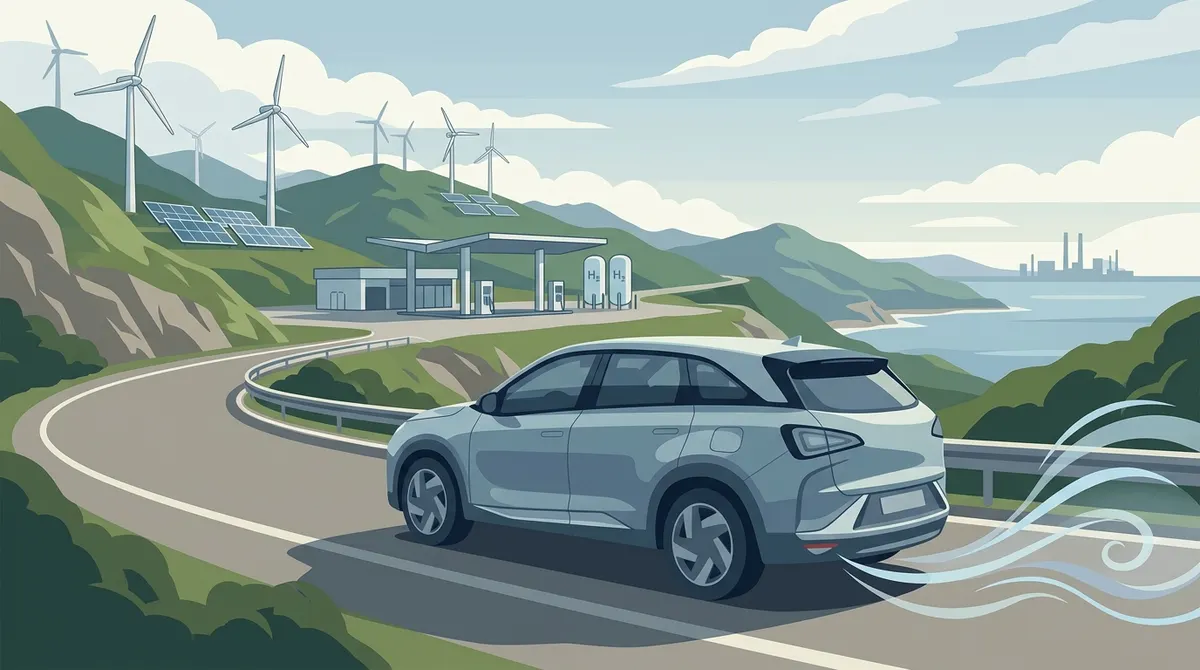
The hydrogen SUV Nexo has been fully redesigned, and its price is reported to be 7.5 million yen.
Fuel cell vehicles generate electricity from hydrogen and oxygen in the air using an onboard fuel cell, and drive a motor to run. The only emission during driving is water vapor, and no CO2 comes out of the tailpipe.
However, hydrogen requires energy at each stage of production, transport, and refueling. The lifecycle CO2 emissions vary greatly depending on the electricity used in production and the origin of the feedstock. For this reason, evaluation must include the hydrogen supply chain, not just emissions from the vehicle itself.
Electric vehicles have the advantage of being charged at home or at work, and charging infrastructure is also being expanded. By contrast, fuel cell vehicles are said to have shorter refueling times and suit long-distance driving and heavier vehicles. The strengths and weaknesses of each differ depending on use.
The spread of fuel cell vehicles depends heavily on the number and location of hydrogen refueling stations. If there are few stations, the range of use is limited, and the high price of vehicles is also a barrier to purchase. The price of 7.5 million yen should be viewed against these challenges.
BLUE NOVA Hydrogen Journal view
The news is that a new hydrogen-powered passenger car has been presented at 7.5 million yen. As electric vehicles spread, the question is whether fuel cell vehicles will remain a viable option. Hydrogen vehicles emit no CO2 while driving, but emissions from hydrogen production and supply determine the overall assessment. Vehicle price, refueling convenience, and the state of station infrastructure will be key to adoption. Readers need to look at the energy supply chain as well as the vehicle model information.
Source: ASCII.jp
This article was written by the editors based on the cited report and translated from Japanese. AI is used to assist in writing and translation.
More news
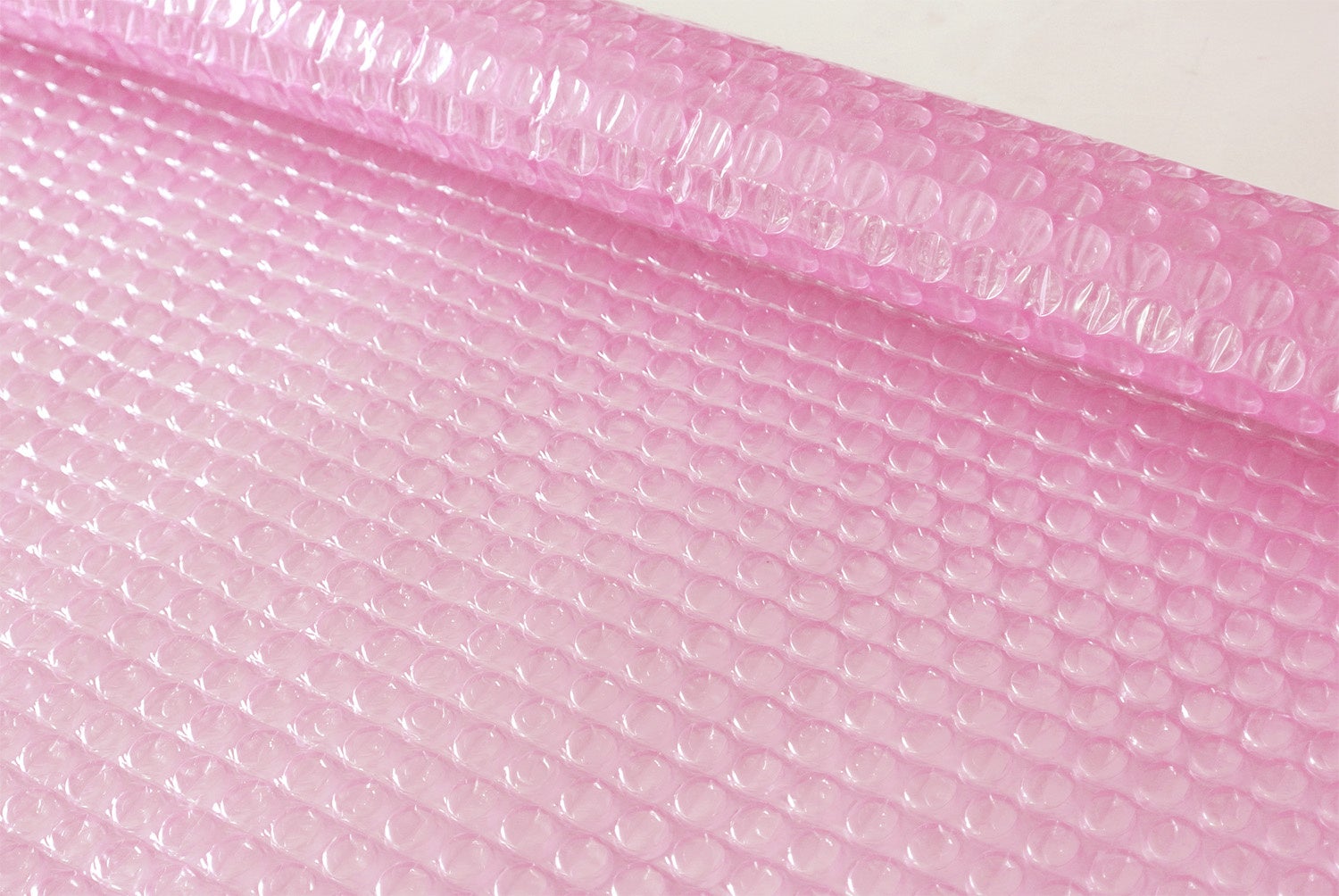
RIKEN VITAMIN and Puchipuchi co-develop masterbatch made from recycled raw materials
The masterbatch, which uses recycled raw materials, has been used in some Puchipuchi bubble cushioning products since April 2026.
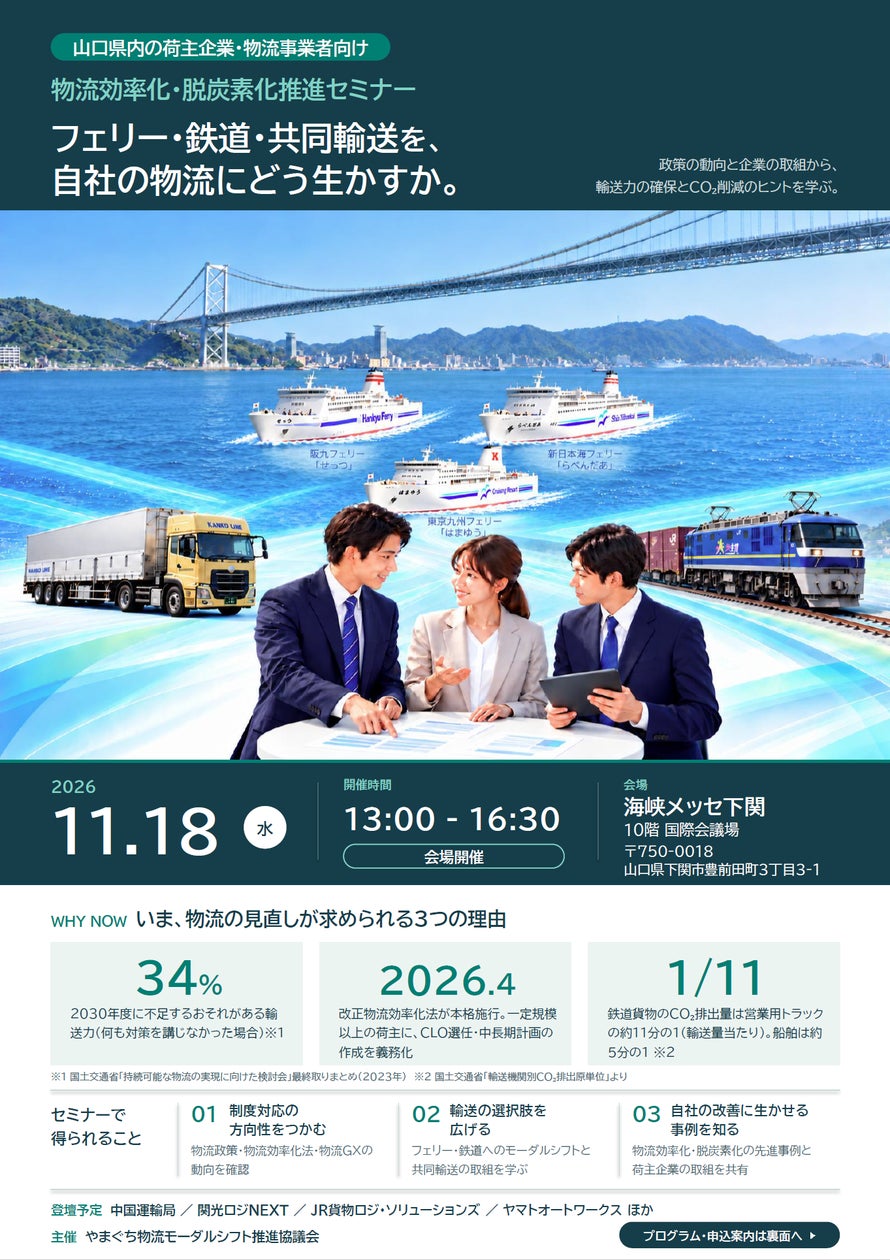
Yamaguchi seminar on logistics efficiency and decarbonization set for Nov. 18 in Shimonoseki
The seminar, following full enforcement of the revised Logistics Efficiency Act, covers modal shift and joint transport.
Socotec gives reasonable assurance for CFP of Asahi Kasei's Korean unit's acrylonitrile
Socotec has provided reasonable-level assurance for the fiscal 2025 product CFP of acrylonitrile made by Tongsuh Petrochemical.
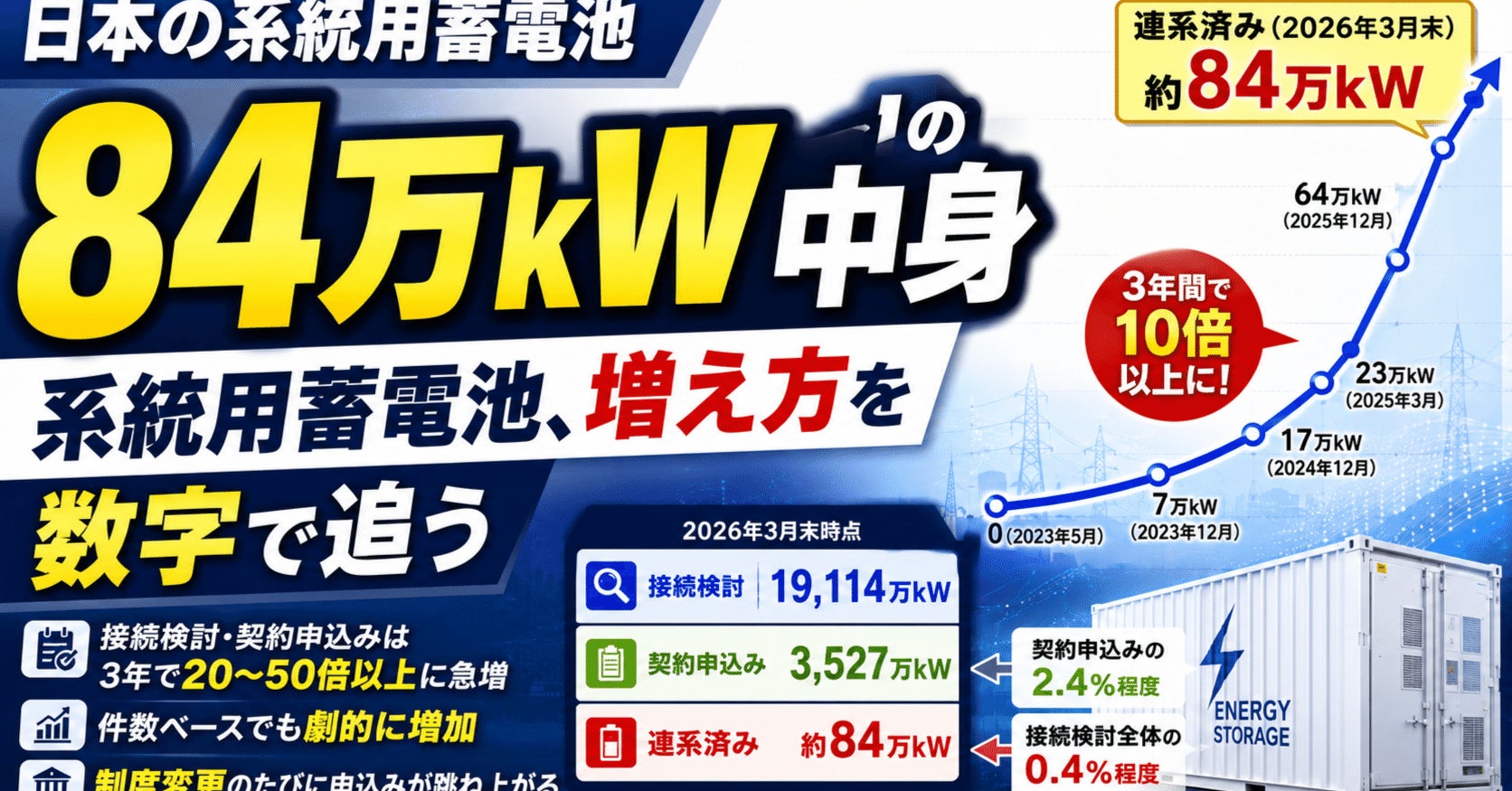
Grid battery capacity up more than tenfold in three years, webinar to outline adoption trends
Connected capacity reached about 840,000 kW at the end of March 2026, driven by rule changes and a surge in applications.