Nichimo delivers Japan's first recycled polyethylene nets for overseas purse seiner
The company said it has supplied recycled fishing nets, made from discarded nets under its R&B brand, to Taiyo A&F's Daisan Fujimaru.
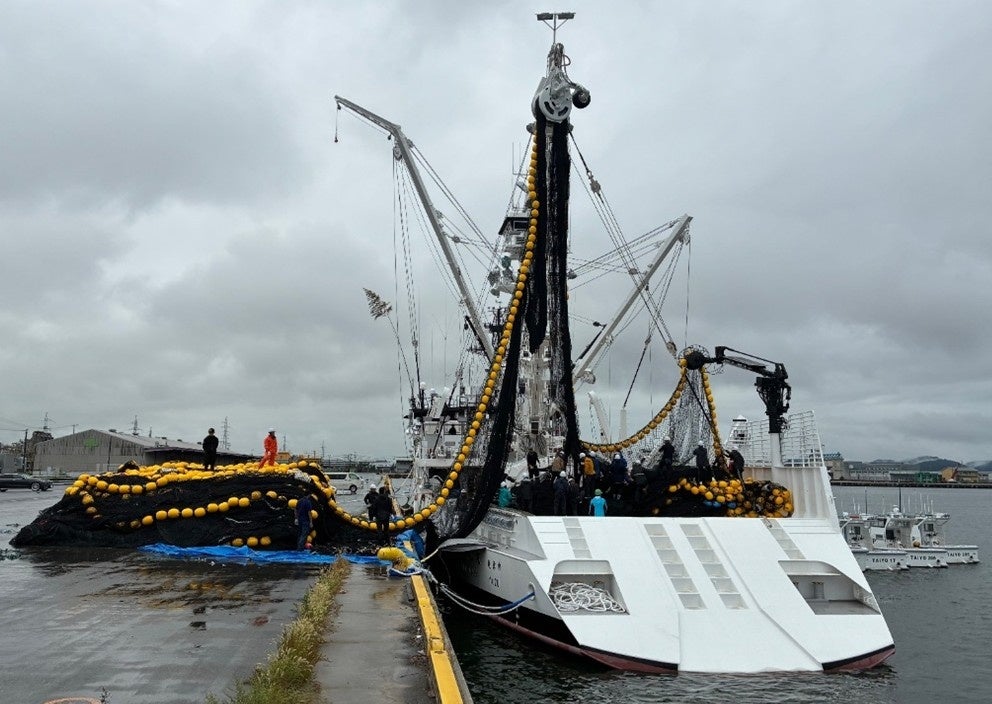
Nichimo Co., Ltd., based in Shinagawa, Tokyo, announced on October 14, 2026, that it had delivered recycled fishing nets to Taiyo A&F Co., Ltd., based in Minato, Tokyo, for the vessel Daisan Fujimaru, marking the first such delivery in Japan for polyethylene nets used in overseas purse seine fishing. The product is the company's R&B (Recycle & Black) recycled polyethylene net.
The company collects used, discarded fishing nets from fishermen and sorts and washes them by material. The materials are then pelletized through heating and shaping, and then spun and processed into new fishing nets. Recycled material accounts for about 10% of the product.
Overseas purse seine fishing mainly targets tuna and bonito and plays an important role in the global supply of seafood. However, because of the large catches, purse seine nets consume large amounts of oil in manufacturing, and disposal after use involves considerable effort and cost. Marine pollution from illegal dumping is also a concern.
The company has long worked on recycling discarded fishing nets and has expanded the uses of its recycled products. It has previously introduced recycled nets to aquaculture pens in places including Kuji in Iwate Prefecture. The latest delivery extends that use to overseas purse seiners.
Fishing net recycling includes horizontal recycling, which returns waste to products of the same use, and downcycling, which uses it for other purposes. Horizontal recycling, in which discarded fishing nets are again used as fishing nets, is positioned as a method for circulating resources.
Ghost gear, fishing equipment that drifts into the sea and remains there, has become an issue in the problem of marine plastic. A system that collects used nets and reliably recycles them could help curb such losses.
Attention will focus on how widely recycled nets spread to other fishing vessels and types of fishing. The share of recycled material and the track record of products will serve as a basis for judging future expansion.
BLUE NOVA Hydrogen Journal view
Horizontal recycling, which returns discarded fishing nets to nets for the same purpose, shows an effort to circulate waste generated by fishing as a resource. The first delivery in Japan to an overseas purse seiner suggests a path for using recycled materials even in large-scale fisheries. However, the fact that recycled material accounts for only about 10% means the degree of circulation must be assessed carefully. Establishing systems to collect and recycle fishing gear is seen as a practical way to reduce marine debris.
Source: PR TIMES
This article was written by the editors based on the cited report and translated from Japanese. AI is used to assist in writing and translation.
More news
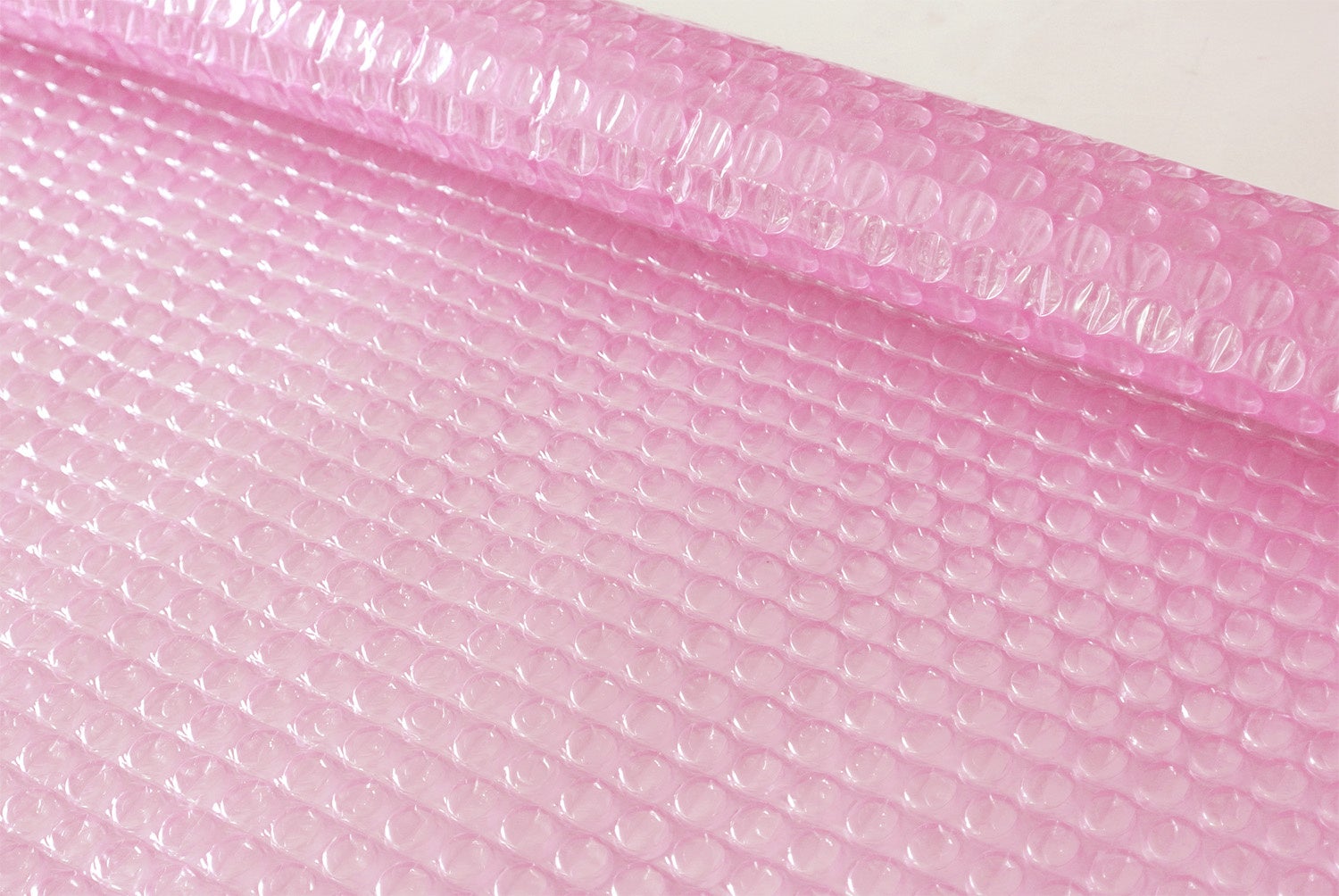
RIKEN VITAMIN and Puchipuchi co-develop masterbatch made from recycled raw materials
The masterbatch, which uses recycled raw materials, has been used in some Puchipuchi bubble cushioning products since April 2026.

Yamaguchi seminar on logistics efficiency and decarbonization set for Nov. 18 in Shimonoseki
The seminar, following full enforcement of the revised Logistics Efficiency Act, covers modal shift and joint transport.

Socotec gives reasonable assurance for CFP of Asahi Kasei's Korean unit's acrylonitrile
Socotec has provided reasonable-level assurance for the fiscal 2025 product CFP of acrylonitrile made by Tongsuh Petrochemical.
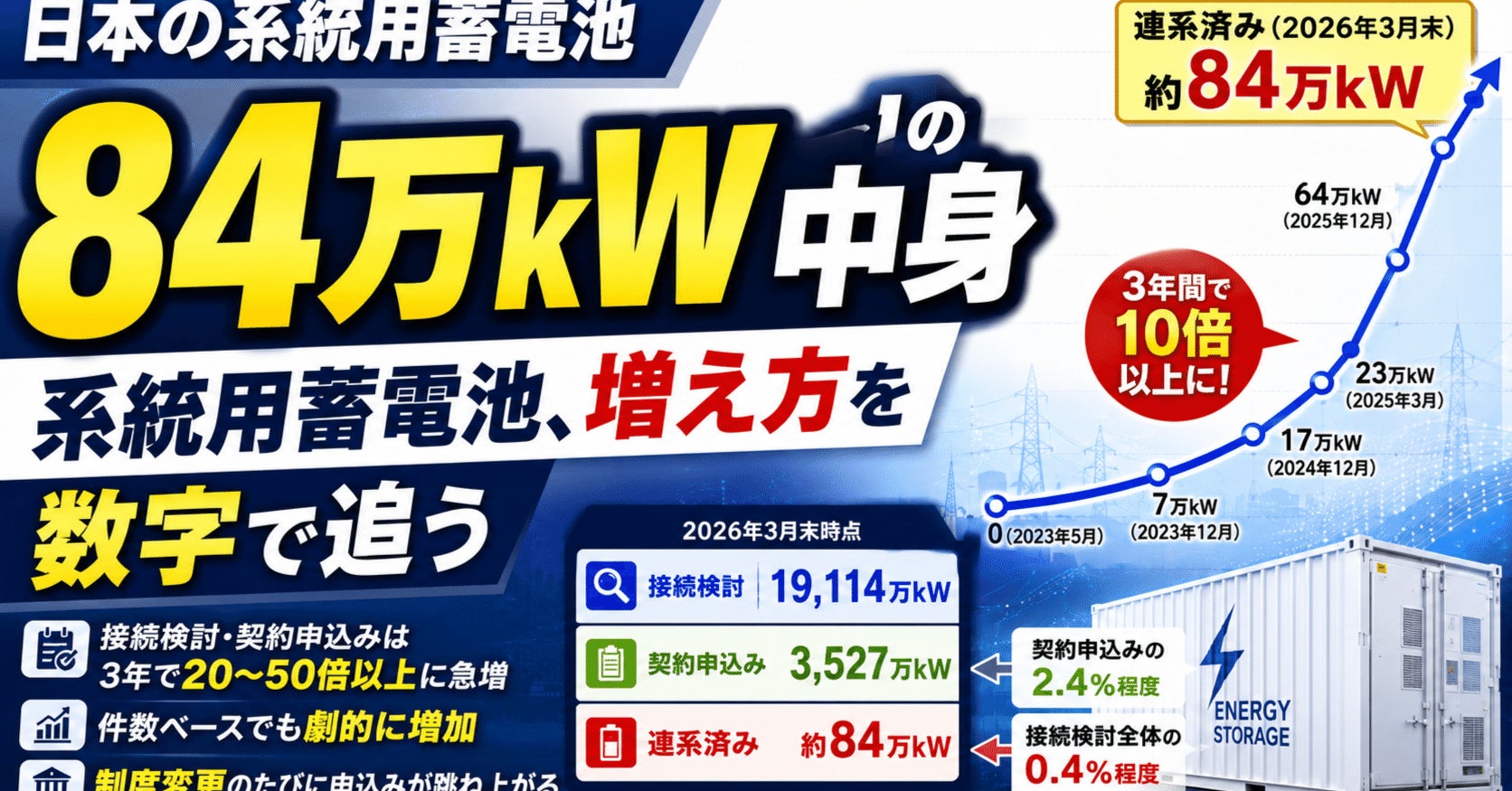
Grid battery capacity up more than tenfold in three years, webinar to outline adoption trends
Connected capacity reached about 840,000 kW at the end of March 2026, driven by rule changes and a surge in applications.