Kuwabara Gumi to recycle employees' used cooking oil into biodiesel for company use
Kuwabara Gumi, based in Takashima, Shiga Prefecture, began collecting used cooking oil from employees in September 2026 for conversion into biodiesel fuel.
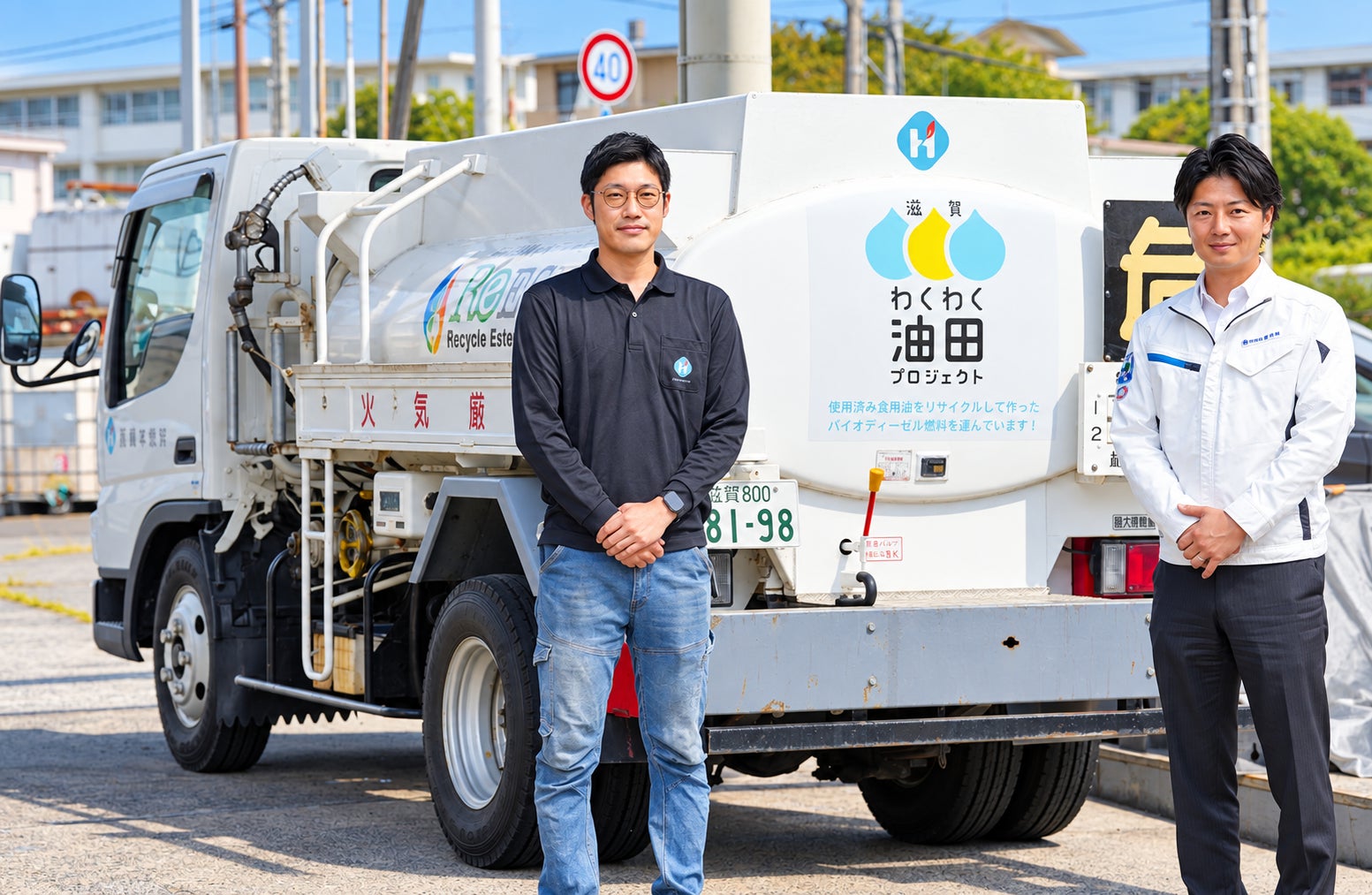
Kuwabara Gumi Co., Ltd., headquartered in Takashima, Shiga Prefecture, began collecting used cooking oil from employees' households in September 2026. The collected waste cooking oil is delivered to Hashimoto Fuel Co., Ltd. in Imazu-cho, also in Takashima, where it is recycled into biodiesel fuel. The company announced the initiative on October 14, 2026.
Kuwabara Gumi has set up collection boxes for used cooking oil within the company, allowing employees to bring in oil generated at home. The collected oil is refined at Hashimoto Fuel Co., Ltd. into biodiesel fuel. It is a flow that returns oil that had previously been discarded to use as a resource.
The recycled fuel is used for wheel loaders that feed materials into the asphalt mixing plant operated by Kuwabara Gumi, for production equipment, and for management tractors at a golf course run by the corporate group to which the company belongs. A notable feature is that the process from collection to recycling and on-site use is completed within the local area.
Kuwabara Gumi had previously used biodiesel fuel produced by Hashimoto Fuel Co., Ltd. in its business operations. The new initiative adds a system in which employees' used cooking oil supplies the raw material for that fuel. Because the two companies already had a fuel supply relationship, it was easier to connect the collection and recycling points within the region.
Biodiesel fuel (BDF) is a diesel substitute produced by reacting the fatty acids in vegetable oils or waste cooking oil with methanol. Using waste cooking oil as the raw material eliminates the need to grow new crops and reuses waste. Carbon dioxide emitted during combustion is generally considered equal to the amount absorbed by the source plants while they grew, which is said to help reduce the use of fossil fuels.
However, the volume collected, refining efficiency and quality control of the fuel will determine the sustainability of the business. Because in-house collection depends on employees' cooperation, broadening participation and securing a stable supply will be challenges going forward. The announcement did not disclose specific figures for the volume collected or the amount of emissions reduced.
Kuwabara Gumi positions the initiative as a way for local companies to work together to circulate resources. Attention will focus on whether the scope of collection and the number of sites using the fuel expand.
BLUE NOVA Hydrogen Journal view
Closing the loop from collecting waste cooking oil to recycling it into fuel and using it on site within a single region is one practical way to run resource circulation in practice. The initiative stands out for pairing an existing fuel producer with which the company already did business and adding employees, a close source of collection. Starting without major capital investment by expanding existing fuel use is a useful reference for small and medium-sized businesses that want to handle waste cooking oil in a similar way. However, the volume collected and the fuel's emissions reduction effect have not been published, so figures will need to be disclosed before the scale of the effort can be assessed. Whether a system that uses local resources locally can spread further will determine the significance of this case.
Source: PR TIMES
This article was written by the editors based on the cited report and translated from Japanese. AI is used to assist in writing and translation.
More news

RIKEN VITAMIN and Puchipuchi co-develop masterbatch made from recycled raw materials
The masterbatch, which uses recycled raw materials, has been used in some Puchipuchi bubble cushioning products since April 2026.

Yamaguchi seminar on logistics efficiency and decarbonization set for Nov. 18 in Shimonoseki
The seminar, following full enforcement of the revised Logistics Efficiency Act, covers modal shift and joint transport.

Socotec gives reasonable assurance for CFP of Asahi Kasei's Korean unit's acrylonitrile
Socotec has provided reasonable-level assurance for the fiscal 2025 product CFP of acrylonitrile made by Tongsuh Petrochemical.
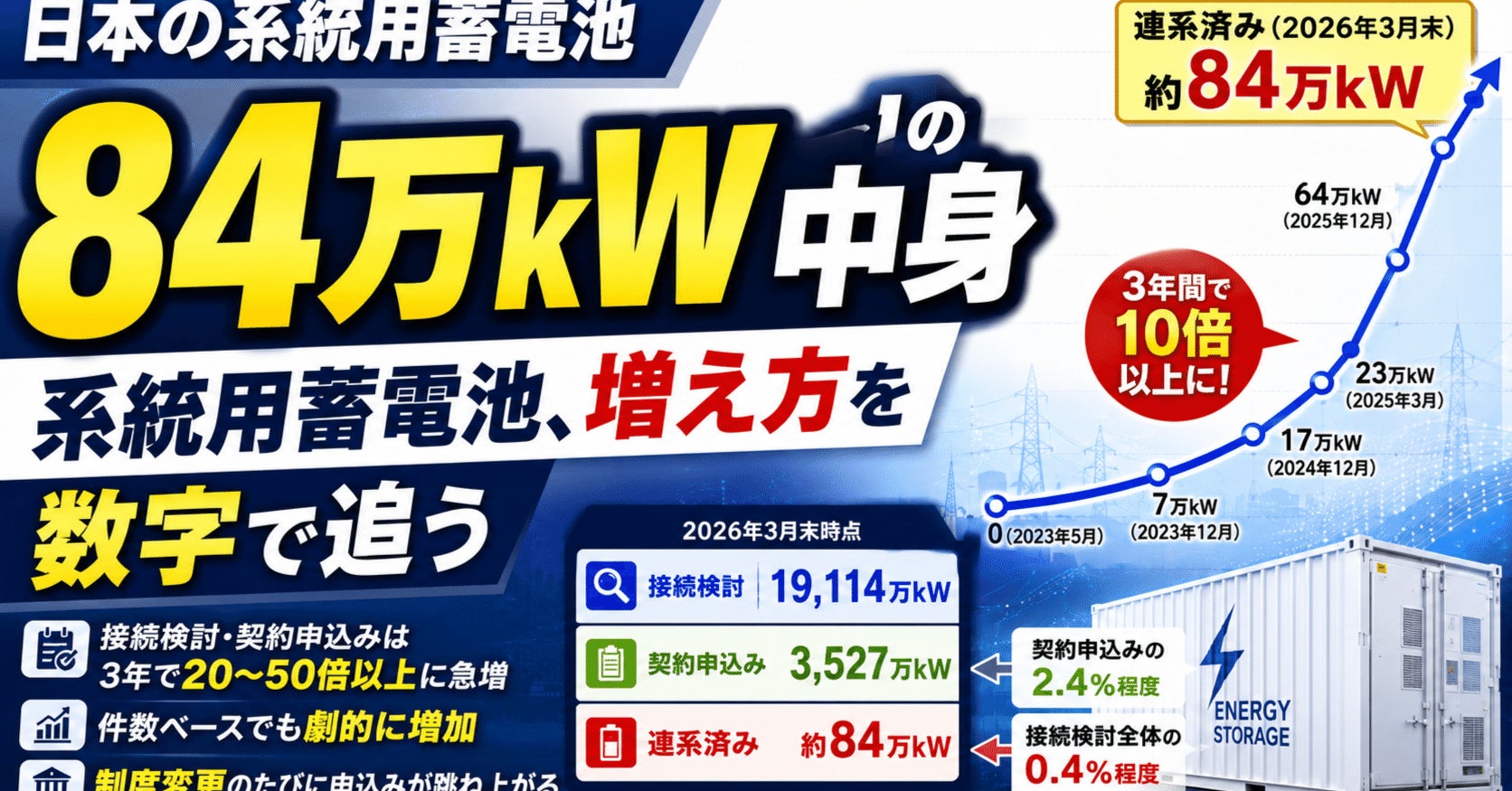
Grid battery capacity up more than tenfold in three years, webinar to outline adoption trends
Connected capacity reached about 840,000 kW at the end of March 2026, driven by rule changes and a surge in applications.