Hokkaido Electric Power Tests Thin, Lightweight Perovskite Solar Cells in Cold Climate
Hokkaido Electric is testing power generation and durability at an experimental house in Ebetsu, where snow and frigid temperatures pose challenges.

Hokkaido Electric Power Co. is testing the power generation performance and durability of perovskite solar cells at an experimental house on the grounds of its research institute in Ebetsu, Hokkaido. The company is using thin film-type products to determine whether they can be used in Hokkaido, where cold and heavy snow are severe. Mynavi News visited the research institute and reported on the test.
Conventional solar panels have mainly been rigid, heavy crystalline silicon types installed on residential roofs and other sites. As a result, they have been difficult to install on buildings that cannot bear heavy loads or on curved surfaces. Perovskite solar cells are attracting attention as a technology that eases these limitations.
Cold-climate durability has been cited as a challenge for wider adoption. In Hokkaido, snow in winter and prolonged low temperatures mean that it is essential to observe over the long term how performance changes when the cells are installed outdoors. The demonstration at the experimental house is part of this effort.
Using an experimental house makes it possible to verify power generation and durability while the cells are attached to a building, under actual weather conditions. The advantage of this demonstration is that data under the same conditions can be accumulated on the research institute's grounds.
Suitable sites for solar power in Japan are declining, and installation on building walls and on roofs that cannot bear heavy loads has become a challenge. Thin, light perovskite solar cells are expected to be a candidate for expanding power generation in such locations. Whether they can be used in cold regions will determine the scope of their introduction.
Attention will focus on how the power generation and durability data from the experimental house will be presented.
Background
Solar panels have long been mainly rigid, heavy silicon-based types installed on residential roofs. Perovskite solar cells are next-generation cells that convert light into electricity using a crystal-structure material called perovskite. Because they are thin, light and bendable, they are expected to be installed in places that were difficult to reach with conventional methods. As suitable sites in Japan continue to decline, power companies and firms across the country are testing the technology as a way to open new installation locations.
Source: マイナビニュース
This article was written by the editors based on the cited report and translated from Japanese.
More news
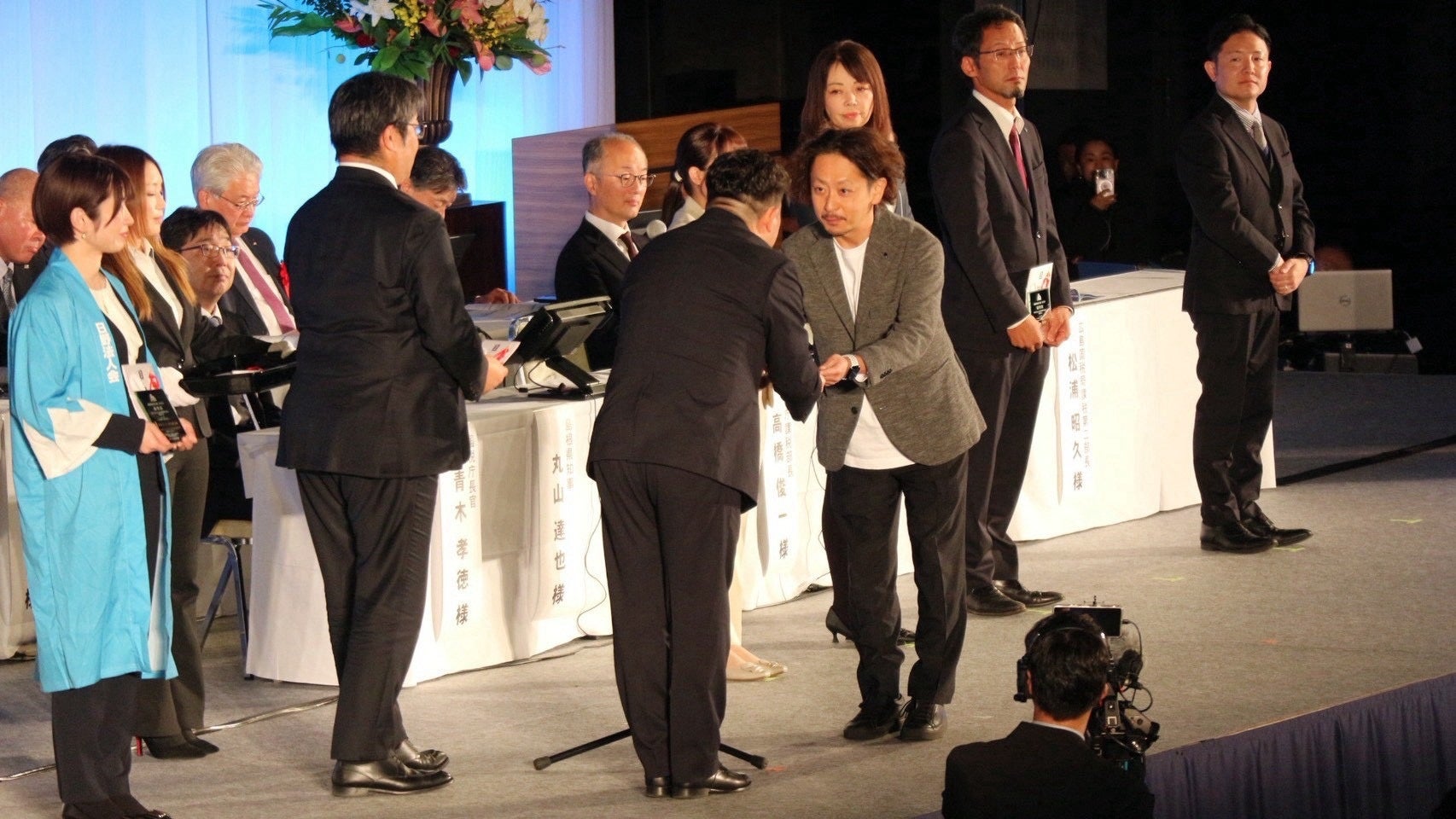
Kure recycler Kokko wins excellence award in Healthy Management Grand Prize
The Kure-based company was honored at a corporate association contest held in Shimane Prefecture in November 2026.
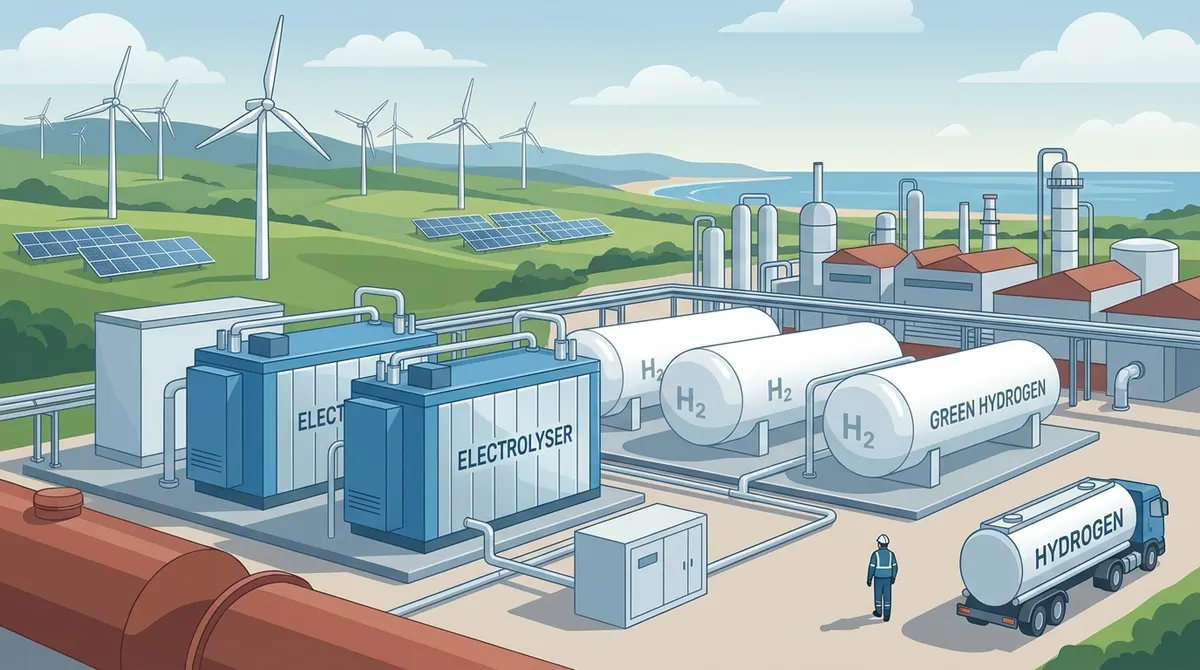
bp, Iberdrola start 25 MW green hydrogen plant at Spain's Castellón refinery
The 50-50 joint venture plans to produce about 2,800 tons of renewable hydrogen a year for use as fuel.
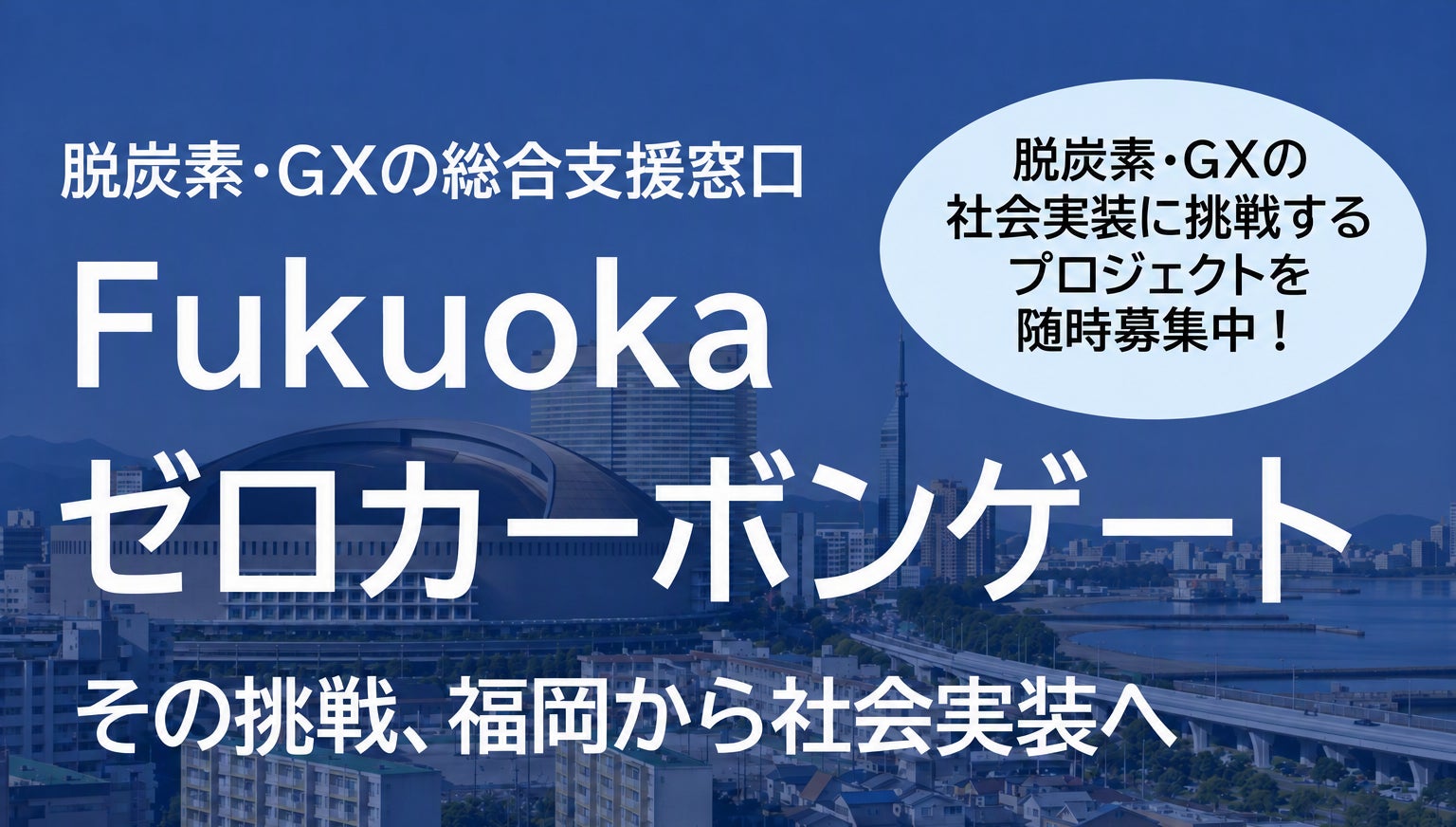
Fukuoka City opens call for projects to bring decarbonization tech to market
The city's Fukuoka Zero Carbon Gate support desk began accepting proposals on November 27, 2026, aiming to reach net-zero greenhouse gas emissions by fiscal 2040.
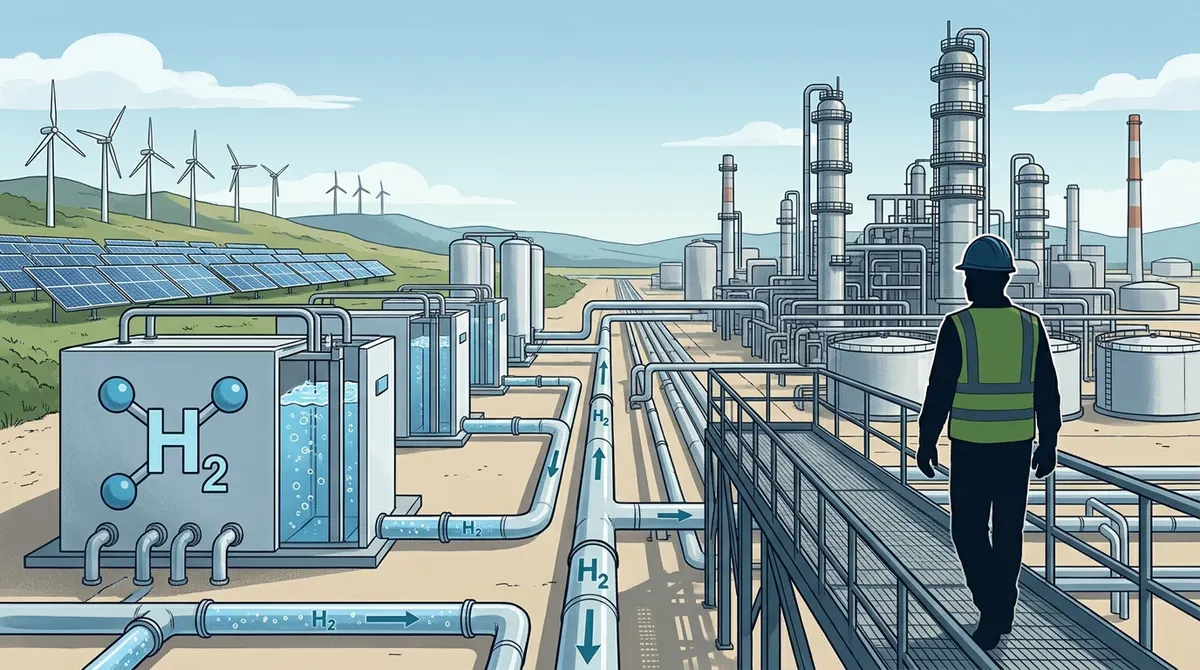
bp and Iberdrola start up 25-MW green hydrogen plant at Spanish refinery
The plant at a refinery in eastern Spain is expected to produce 2,800 tons of hydrogen a year and cut refinery CO2 emissions by 23,000 tons annually.