bp and Iberdrola start up 25-MW green hydrogen plant at Spanish refinery
The plant at a refinery in eastern Spain is expected to produce 2,800 tons of hydrogen a year and cut refinery CO2 emissions by 23,000 tons annually.
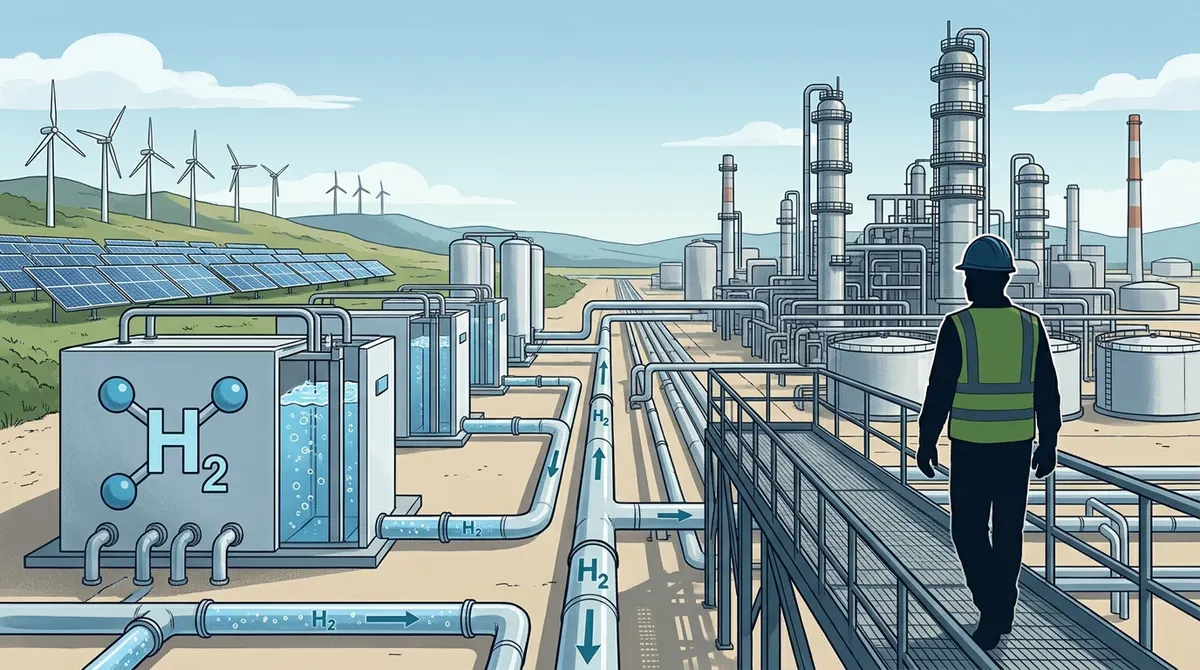
bp and Iberdrola said they have started operating a 25MW green hydrogen production facility built at a refinery in Castellón, in eastern Spain. The facility is expected to produce 2,800 tons of hydrogen a year and avoid the emission of 23,000 tons of CO2 annually at the refinery. The system uses renewable electricity to split water into hydrogen and oxygen, and it is integrated into the refinery's existing processes.
Green hydrogen is hydrogen produced by using electricity generated from renewable energy to split water through electrolysis. Because it emits no CO2 during production, it is seen as a key tool for decarbonization. Refineries use large amounts of hydrogen to refine petroleum products, so switching how that hydrogen is made is an important challenge for industrial decarbonization.
The key question going forward is whether the facility will produce hydrogen as planned and achieve the expected CO2 reductions. If refineries shift to hydrogen made this way, similar projects could spread to other refineries and petrochemical plants in Europe. The project's profitability, including electricity procurement costs and hydrogen prices, will become clearer as it operates.
Background
Hydrogen is considered a promising tool for decarbonization because it emits no CO2 when burned. However, most hydrogen in use today is made from fossil fuels such as natural gas, which release CO2 during production. Such hydrogen is called gray hydrogen. Because refineries and chemical plants use large amounts of hydrogen, changing how it is produced is a key challenge for industrial decarbonization. Green hydrogen is made by splitting water through electrolysis using renewable energy, and in Europe, national governments and the European Union have promoted its spread through support programs.
Source: Inspenet
This article was written by the editors based on the cited report and translated from Japanese.
More news
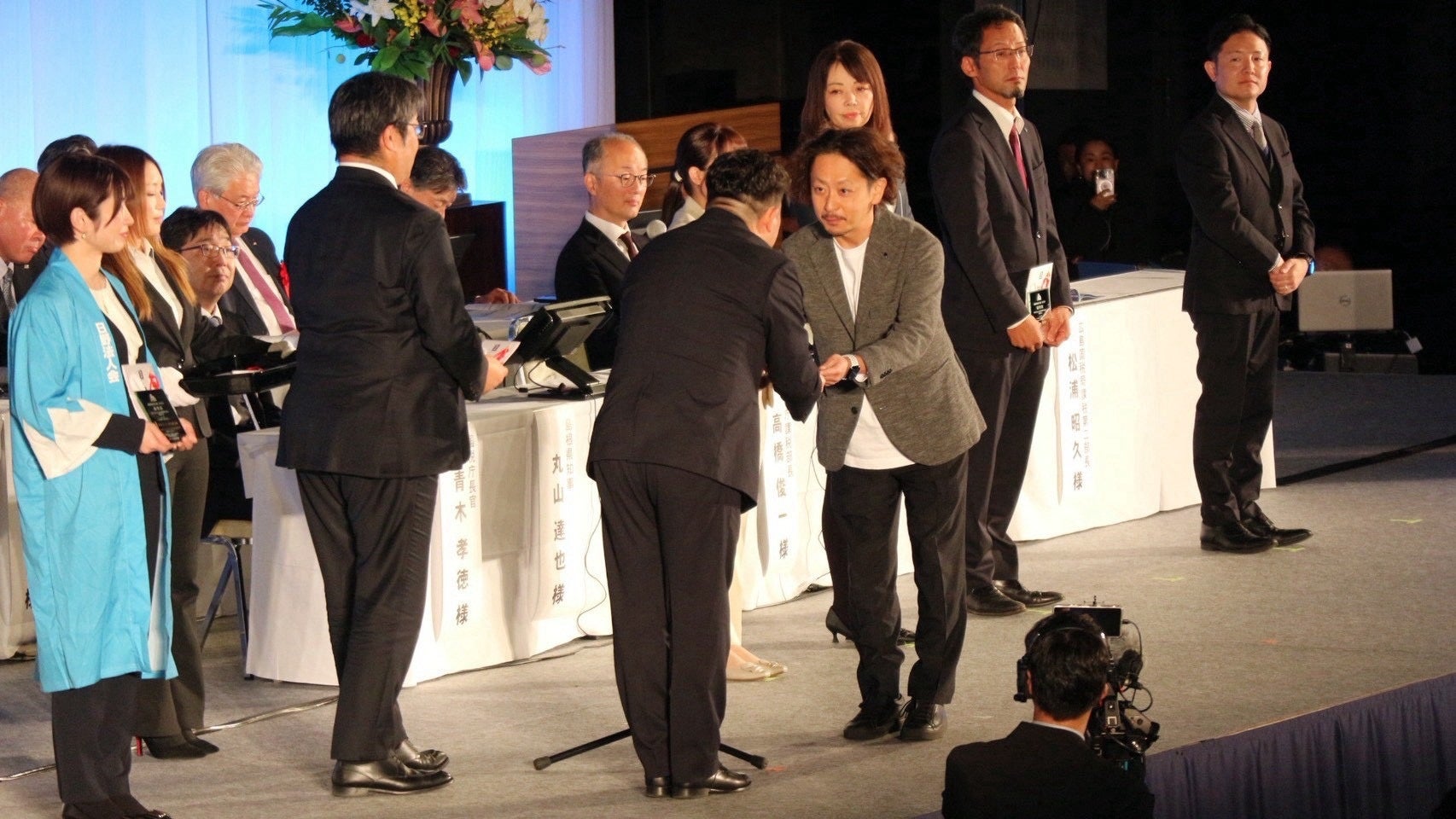
Kure recycler Kokko wins excellence award in Healthy Management Grand Prize
The Kure-based company was honored at a corporate association contest held in Shimane Prefecture in November 2026.
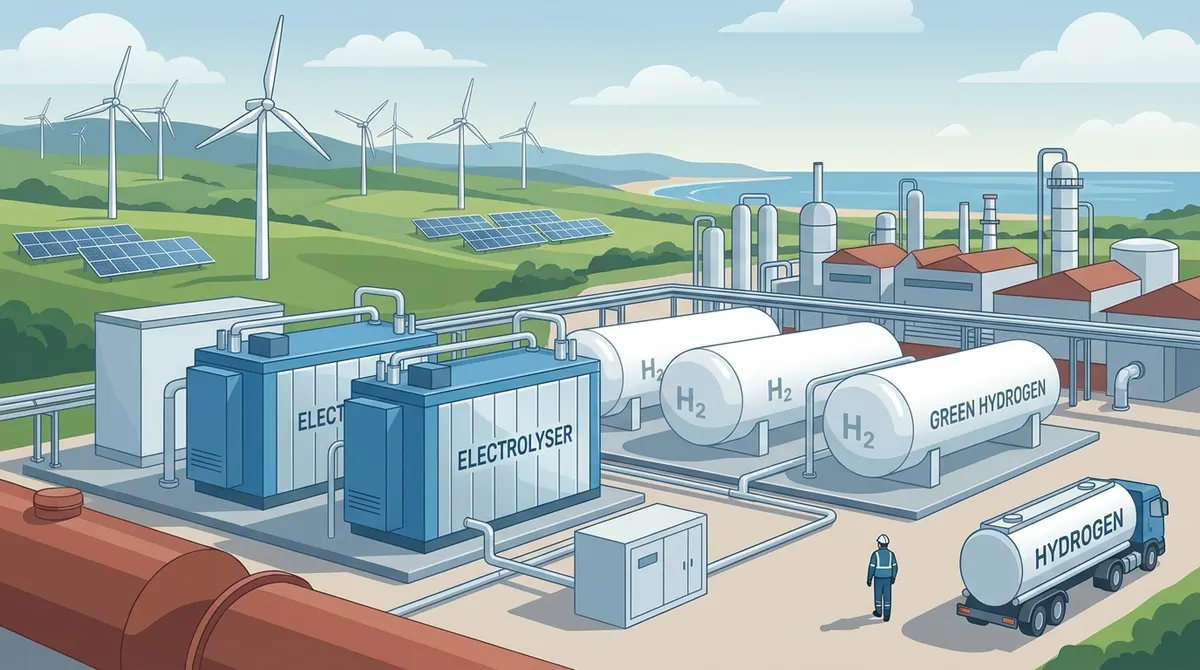
bp, Iberdrola start 25 MW green hydrogen plant at Spain's Castellón refinery
The 50-50 joint venture plans to produce about 2,800 tons of renewable hydrogen a year for use as fuel.
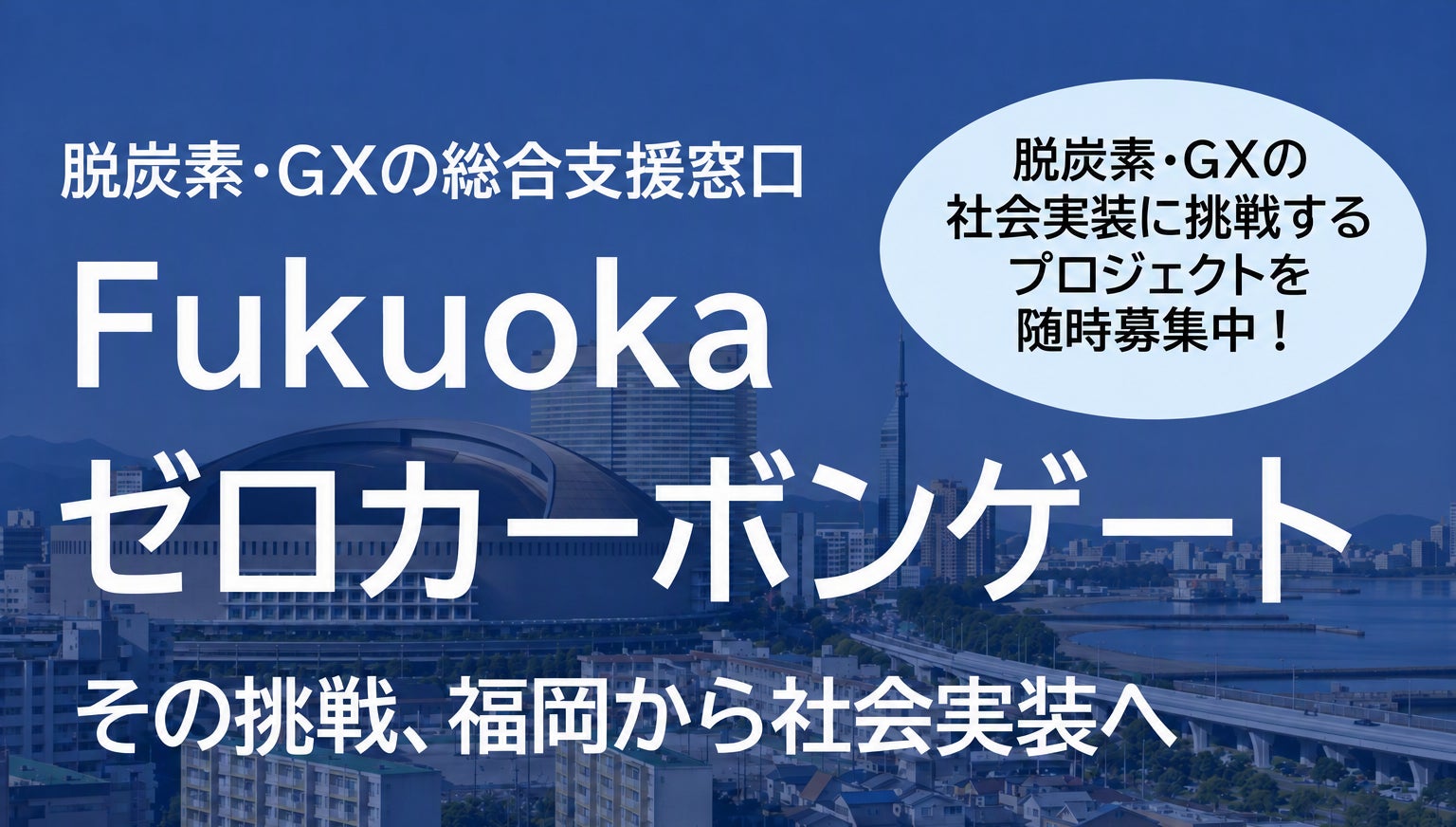
Fukuoka City opens call for projects to bring decarbonization tech to market
The city's Fukuoka Zero Carbon Gate support desk began accepting proposals on November 27, 2026, aiming to reach net-zero greenhouse gas emissions by fiscal 2040.

Osaka Gas subsidiary decides to invest in Australian biomethane developer
It is the first Japanese company to invest in an Australian biomethane developer, and the first such investment for the Osaka Gas Group.