BASF and JGC finish HiPACT CO2 capture test run at INPEX's Kashiwazaki hydrogen park
The high-pressure regeneration technology cleared its performance test at the Kashiwazaki Hydrogen Park, and the companies estimate it could cut CO2 capture and compression costs by up to 35%.

BASF Japan and JGC Global said they have completed a performance test run, known as PTR, for HiPACT, a high-pressure regeneration CO2 capture technology the two companies developed jointly. The test was conducted at the Kashiwazaki Hydrogen Park in Kashiwazaki, Niigata Prefecture, a demonstration plant where INPEX is producing and using blue hydrogen and ammonia in an integrated project. The companies estimate that HiPACT can reduce CO2 capture and compression costs by up to 35%.
A performance test run checks whether new equipment operates as designed before full-scale operation begins. With the test complete, INPEX's demonstration plant has moved further along in its startup phase, and support is now in place ahead of the start of CO2 injection. HiPACT is positioned as a technology that supports the production of low-emission energy, which produces no CO2 emissions when used by INPEX.
The roles of the companies involved are as follows. BASF Japan and JGC Global jointly developed HiPACT, and INPEX is demonstrating the process from production to use at the Kashiwazaki Hydrogen Park. The supply of the technology and the site for demonstration are now linked, and a structure is in place to verify performance based on actual operating data.
Blue hydrogen refers to hydrogen produced from fossil fuels such as natural gas, with the CO2 generated during production captured and stored to limit its release into the atmosphere. Under the color-based naming system for hydrogen, hydrogen made by splitting water with renewable electricity is called green, and hydrogen made from fossil fuels without capturing CO2 is called gray. Blue falls between the two.
The spread of blue hydrogen will depend on the efficiency and cost of CO2 capture. The processes of compressing the captured CO2 for transport and sending it underground also have a major effect on overall costs. The reduction of up to 35% presented in the estimate covers the costs of the two processes of capture and compression, and it is a projection that will be verified through future operations.
On the use side, ammonia does not emit CO2 when burned, so its use as a fuel for thermal power generation and other applications is under consideration. To make both hydrogen and ammonia low-emission in production and use, it is essential to improve the efficiency of CO2 capture upstream.
Going forward, the Kashiwazaki Hydrogen Park will verify hydrogen and ammonia from production through to use, and the companies will enter a stage of confirming CO2 capture performance and costs through actual operation. How closely HiPACT's estimated figures are reproduced in field operations will be the focus of attention.
Background
Hydrogen is expected to be a key to decarbonization because burning it produces only water, but most hydrogen today is made from fossil fuels such as natural gas. Hydrogen whose production emissions are captured and stored to limit its release is called blue hydrogen. CO2 capture methods include separating CO2 from exhaust gas, and a challenge has been that regenerating the liquid used for separation requires large amounts of energy and cost. HiPACT is a technology that the two companies developed jointly, as a high-pressure method for capture and regeneration.
Source: ニコニコニュース
This article was written by the editors based on the cited report and translated from Japanese.
More news
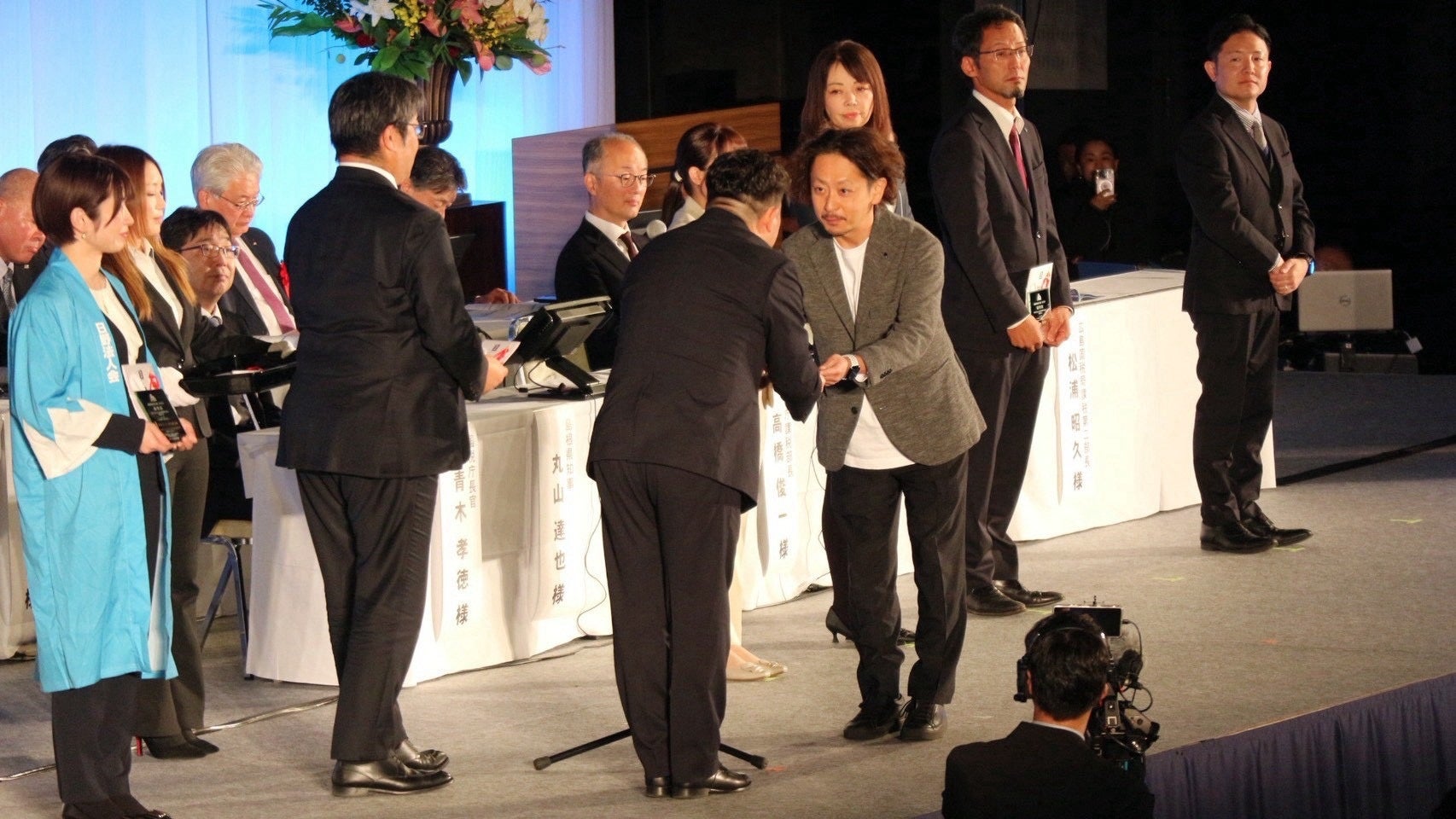
Kure recycler Kokko wins excellence award in Healthy Management Grand Prize
The Kure-based company was honored at a corporate association contest held in Shimane Prefecture in November 2026.
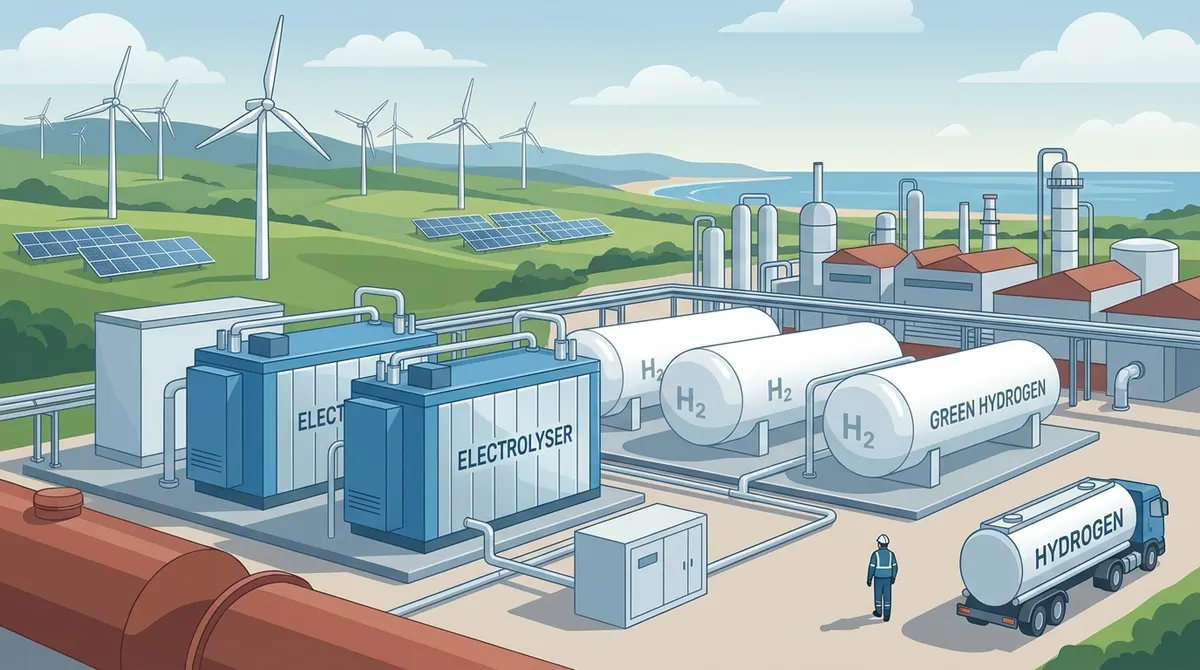
bp, Iberdrola start 25 MW green hydrogen plant at Spain's Castellón refinery
The 50-50 joint venture plans to produce about 2,800 tons of renewable hydrogen a year for use as fuel.
Fukuoka City opens call for projects to bring decarbonization tech to market
The city's Fukuoka Zero Carbon Gate support desk began accepting proposals on November 27, 2026, aiming to reach net-zero greenhouse gas emissions by fiscal 2040.
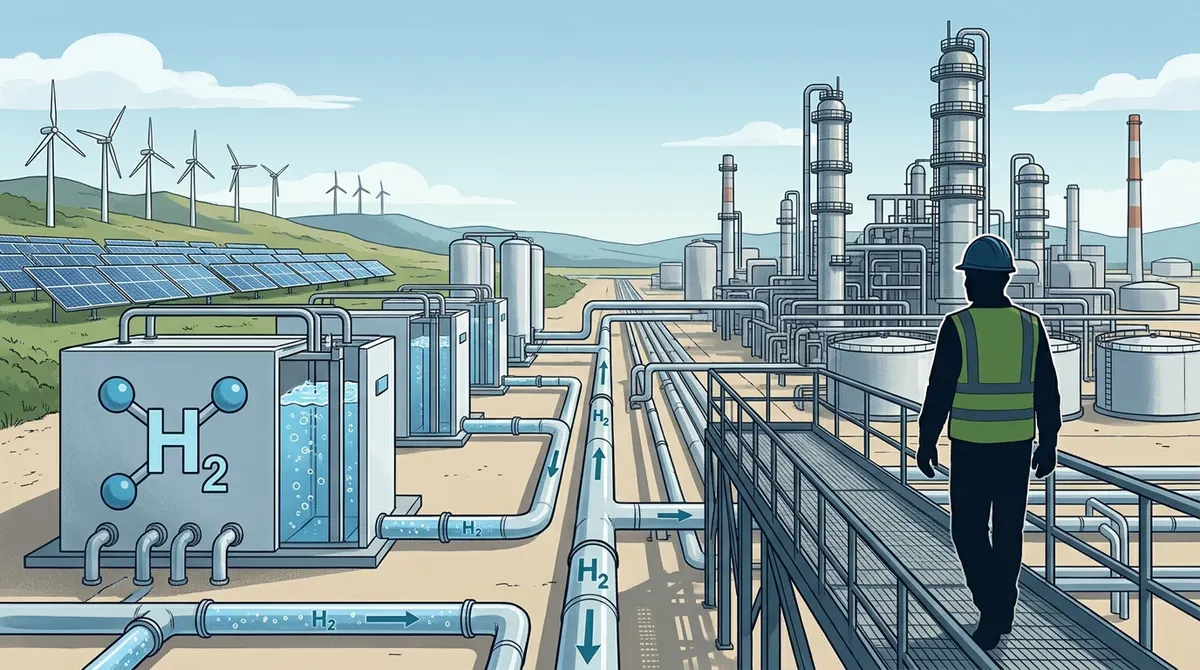
bp and Iberdrola start up 25-MW green hydrogen plant at Spanish refinery
The plant at a refinery in eastern Spain is expected to produce 2,800 tons of hydrogen a year and cut refinery CO2 emissions by 23,000 tons annually.