Tokyo Gas, Petronas team up as Japan receives first biomethane imports
Tokyo Gas took in about 40,000 cubic meters of Malaysian biomethane at its Ogishima LNG terminal, the first concrete step in a partnership on LNG supply and decarbonization.
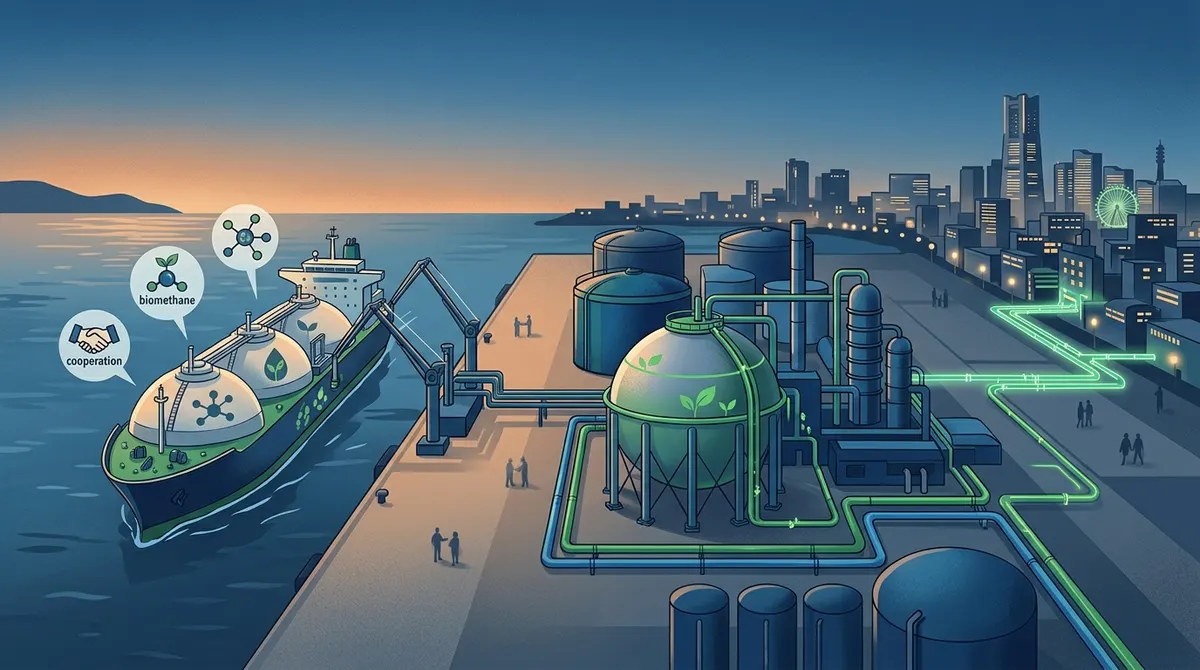
Tokyo Gas said on the 26th that it has begun a strategic partnership with Petronas, Malaysia's state-owned oil company, covering stable LNG procurement and decarbonization. Tokyo Gas President Shinichi Sasayama and Petronas President Tengku Muhammad Taufik signed a memorandum of understanding on the strategic partnership on Nov. 6.
As the first concrete initiative under the partnership, the two companies jointly brought biomethane produced in Malaysia into Japan. On Nov. 22, Tokyo Gas received about 40,000 cubic meters of biomethane, measured in gas equivalent, at its Ogishima LNG terminal in Yokohama. It is the first biomethane import into Japan.
Biomethane is a renewable gas produced by refining biogas, which is obtained by fermenting livestock manure and food waste, to raise its methane concentration. It has the same properties as methane, the main component of city gas, so it can be used with existing gas pipelines and LNG terminal facilities.
Importing biomethane gives Japan a new option to source gas from overseas, since domestic production alone makes it hard to secure sufficient volumes. Because existing receiving facilities used for LNG imports can be used, the gas is also easier to introduce.
Attention will focus on how the two companies approach expanding procurement and supply of decarbonized gas, including biomethane, under the framework of their partnership.
Background
City gas uses methane, the main component of natural gas. As decarbonization advances, interest is growing in biomethane as a renewable alternative to fossil-based gas. In Japan, domestic sources are limited, so procuring gas from overseas has been an issue. LNG is liquefied, shipped by sea, and returned to gas at receiving terminals for supply. Whether new gas can be received using existing LNG terminal facilities is key to understanding the significance of this import.
Source: 電気新聞ウェブサイト
This article was written by the editors based on the cited report and translated from Japanese.
More news
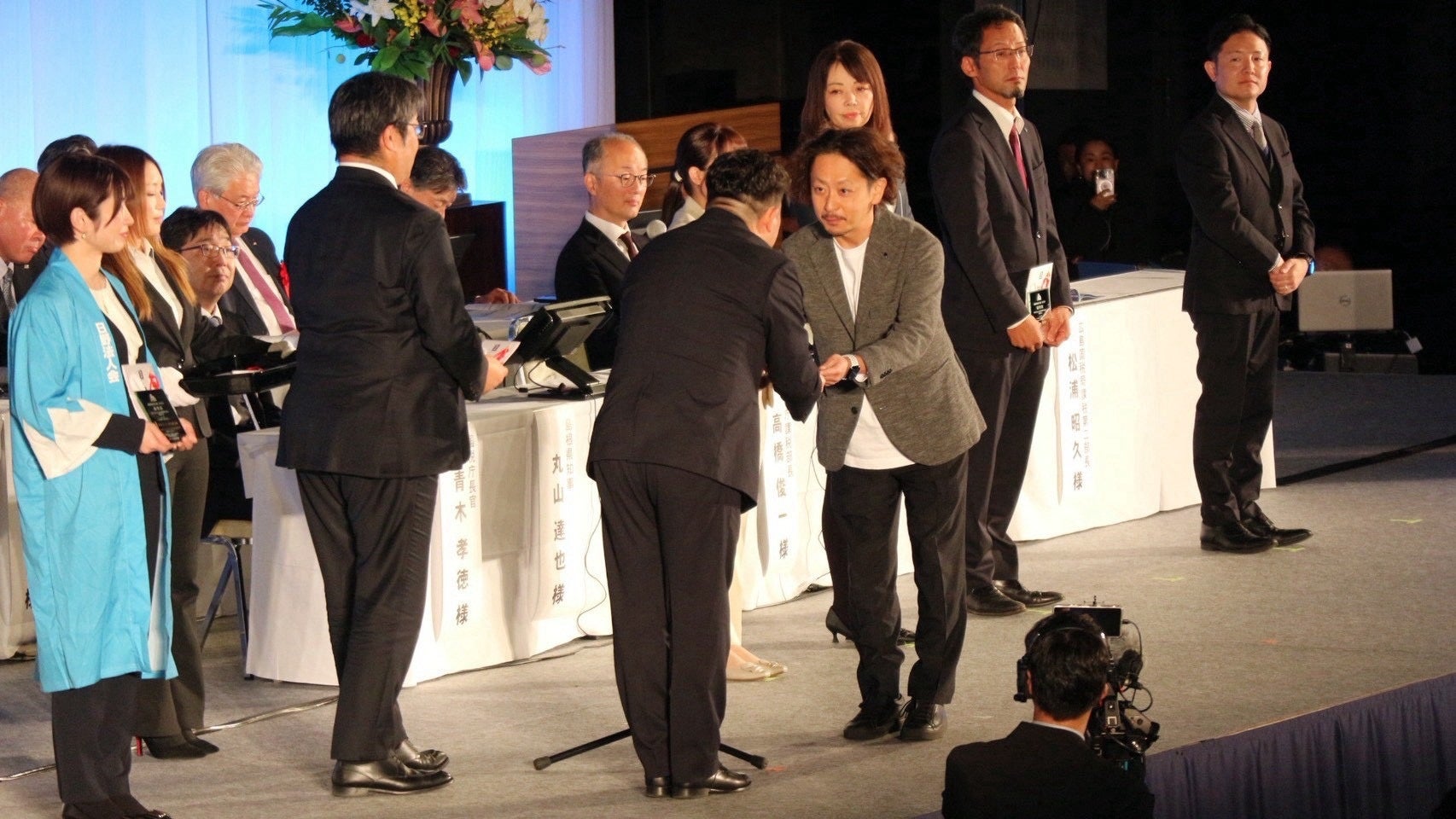
Kure recycler Kokko wins excellence award in Healthy Management Grand Prize
The Kure-based company was honored at a corporate association contest held in Shimane Prefecture in November 2026.
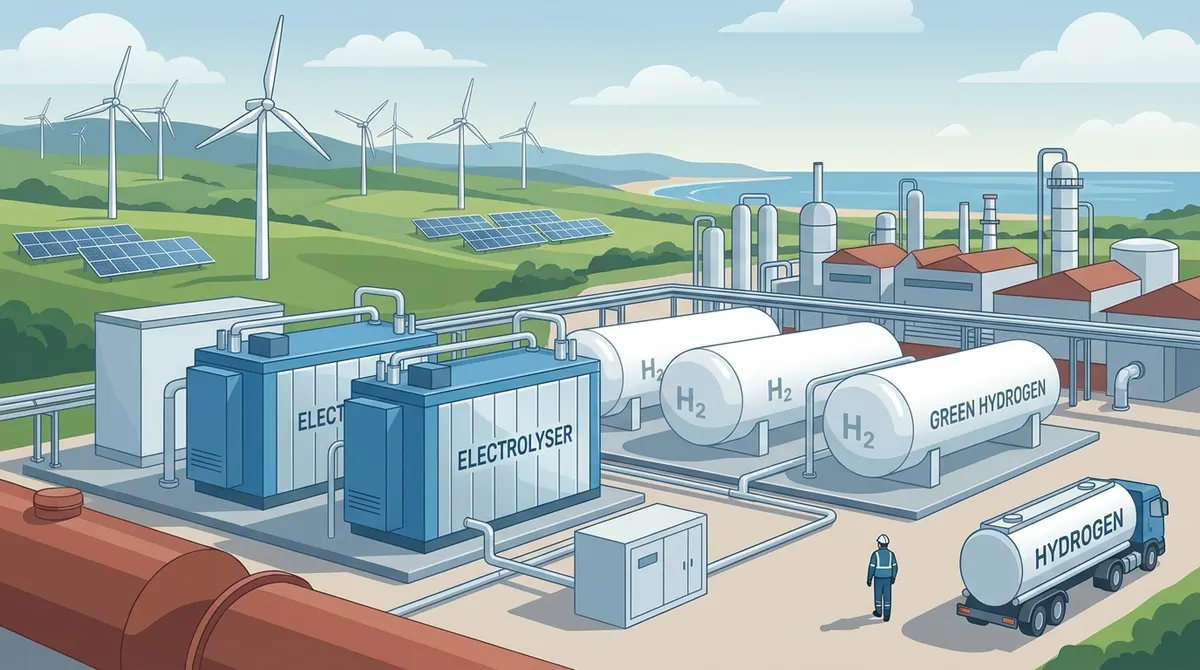
bp, Iberdrola start 25 MW green hydrogen plant at Spain's Castellón refinery
The 50-50 joint venture plans to produce about 2,800 tons of renewable hydrogen a year for use as fuel.
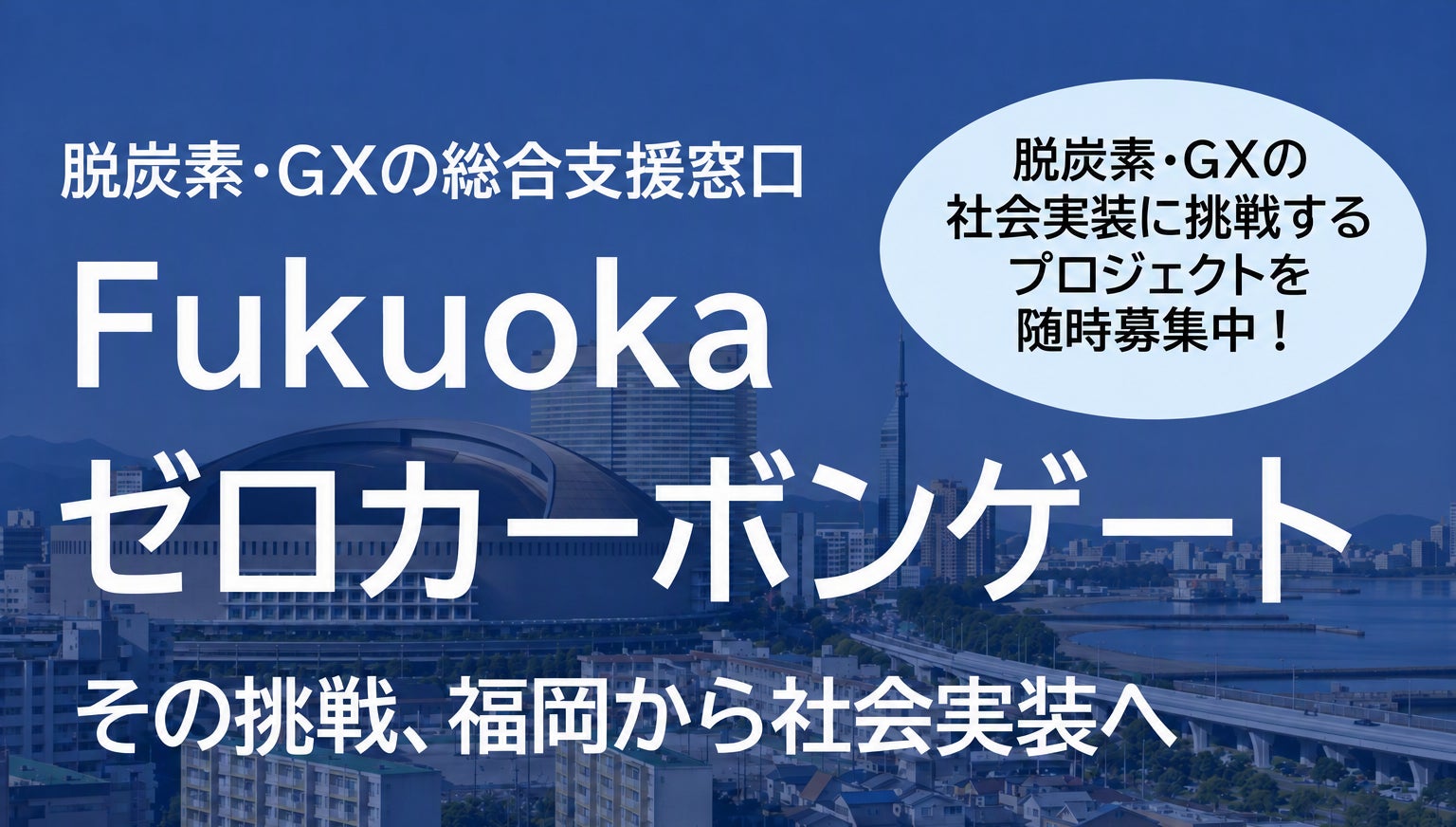
Fukuoka City opens call for projects to bring decarbonization tech to market
The city's Fukuoka Zero Carbon Gate support desk began accepting proposals on November 27, 2026, aiming to reach net-zero greenhouse gas emissions by fiscal 2040.
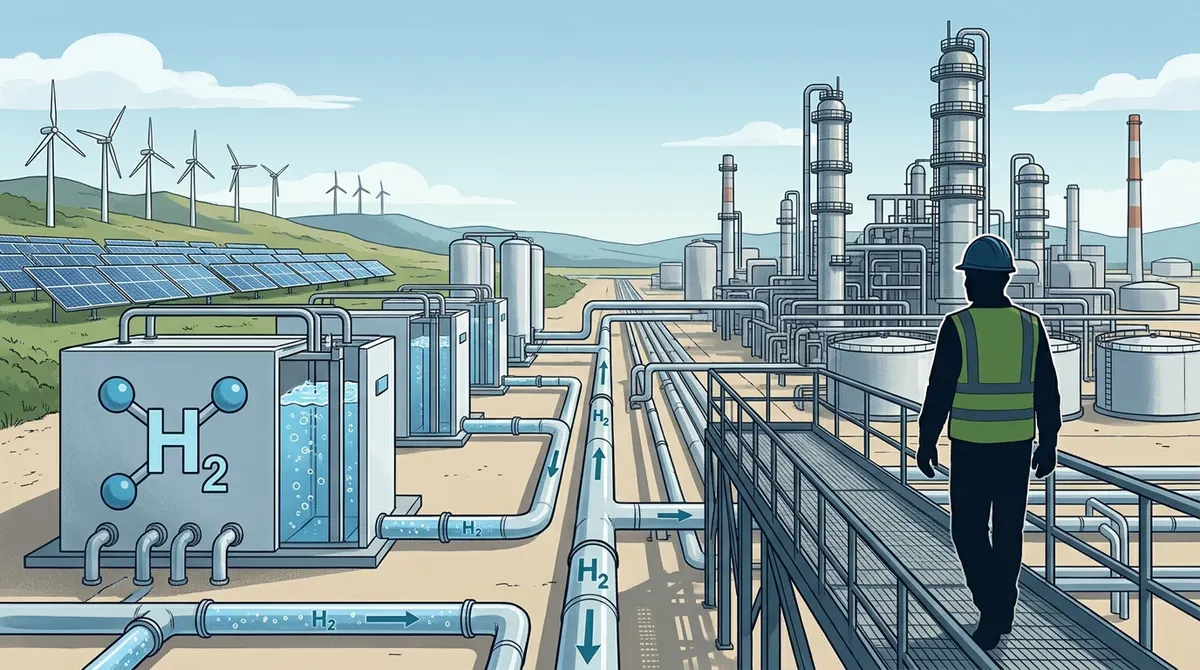
bp and Iberdrola start up 25-MW green hydrogen plant at Spanish refinery
The plant at a refinery in eastern Spain is expected to produce 2,800 tons of hydrogen a year and cut refinery CO2 emissions by 23,000 tons annually.