Nitto Kogyo to Begin Perovskite Solar Demonstration at Aichi Plant in November 2026
The roughly 1-kilowatt test will run for two to three years on high-voltage receiving equipment at the Seto plant in Seto, Aichi Prefecture.

Nitto Kogyo Corp. will begin a demonstration of perovskite solar cells on high-voltage receiving equipment at its Seto plant in Seto, Aichi Prefecture, starting November 25, 2026. The demonstration will involve about 1 kilowatt of capacity, installed on the top and door surfaces of the high-voltage receiving equipment. The test period is planned for about two to three years.
The demonstration will examine more than power generation. It also aims to identify issues in distribution systems that work with perovskite solar cells, establish countermeasures, and build energy management to use the electricity generated efficiently.
According to Nitto Kogyo, suitable land for solar power installations is shrinking in Japan. As a result, installing panels on surfaces such as building walls, where solar panels have been hard to place, has become a challenge. Perovskite solar cells, which are thin, light and highly flexible, are seen as a possible solution.
High-voltage receiving equipment receives electricity at high voltage from power companies and distributes it to machines inside a factory, housing transformers and circuit breakers. The distinctive feature of this demonstration is that it connects solar cells to this equipment, allowing power generation and distribution to be tested together within the flow of electricity in a factory.
The demonstration is small, at about 1 kilowatt, and is not yet at the stage of assessing sales revenue as a business. Its main goal is to build basic technical data on power generation and changes over time.
The focus is on how well power generation and performance over time hold up over the two to three years of the demonstration. Testing long-term outdoor performance with real-world data is expected to help inform decisions on future commercial use.
Background
Perovskite solar cells are next-generation cells that convert light into electricity using a crystal-structure material called perovskite. Because they are thin, light and can be bent, they are expected to be installed on building walls and on roofs that cannot bear heavy loads, where conventional rigid, heavy silicon panels have been difficult to place. Suitable sites for solar power in Japan are declining, and companies are testing the technology as a way to expand installation locations. This demonstration builds the product into the actual electrical equipment of a factory to test power generation and distribution together.
Source: 日経BP
This article was written by the editors based on the cited report and translated from Japanese.
More news
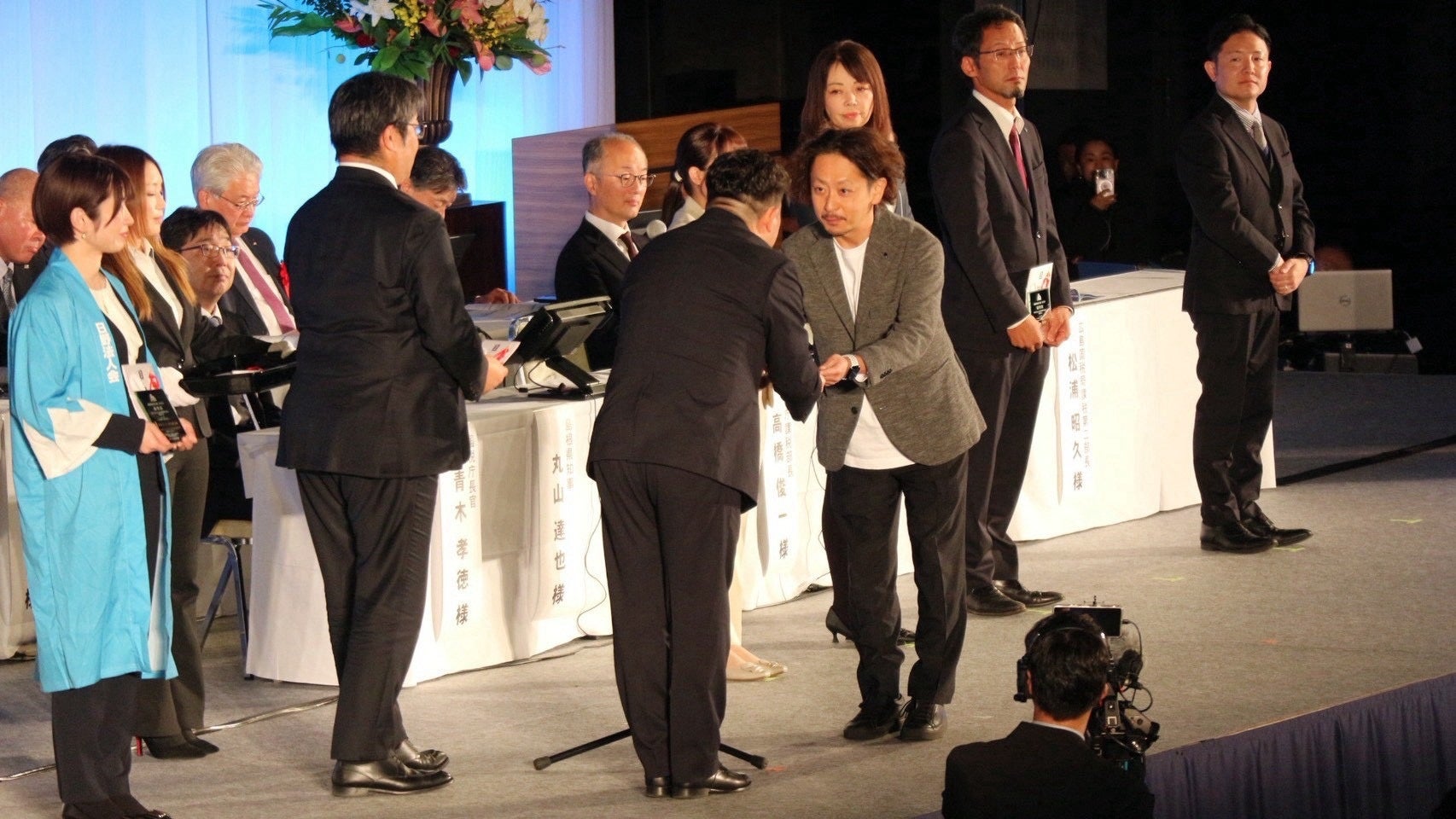
Kure recycler Kokko wins excellence award in Healthy Management Grand Prize
The Kure-based company was honored at a corporate association contest held in Shimane Prefecture in November 2026.
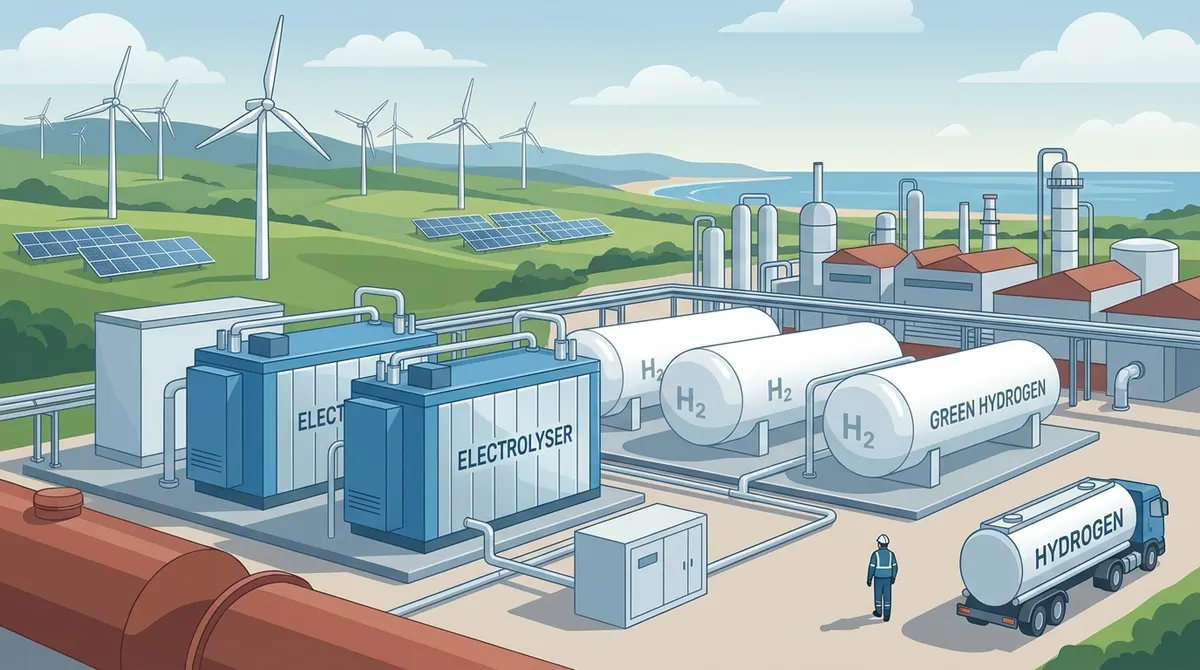
bp, Iberdrola start 25 MW green hydrogen plant at Spain's Castellón refinery
The 50-50 joint venture plans to produce about 2,800 tons of renewable hydrogen a year for use as fuel.

Fukuoka City opens call for projects to bring decarbonization tech to market
The city's Fukuoka Zero Carbon Gate support desk began accepting proposals on November 27, 2026, aiming to reach net-zero greenhouse gas emissions by fiscal 2040.
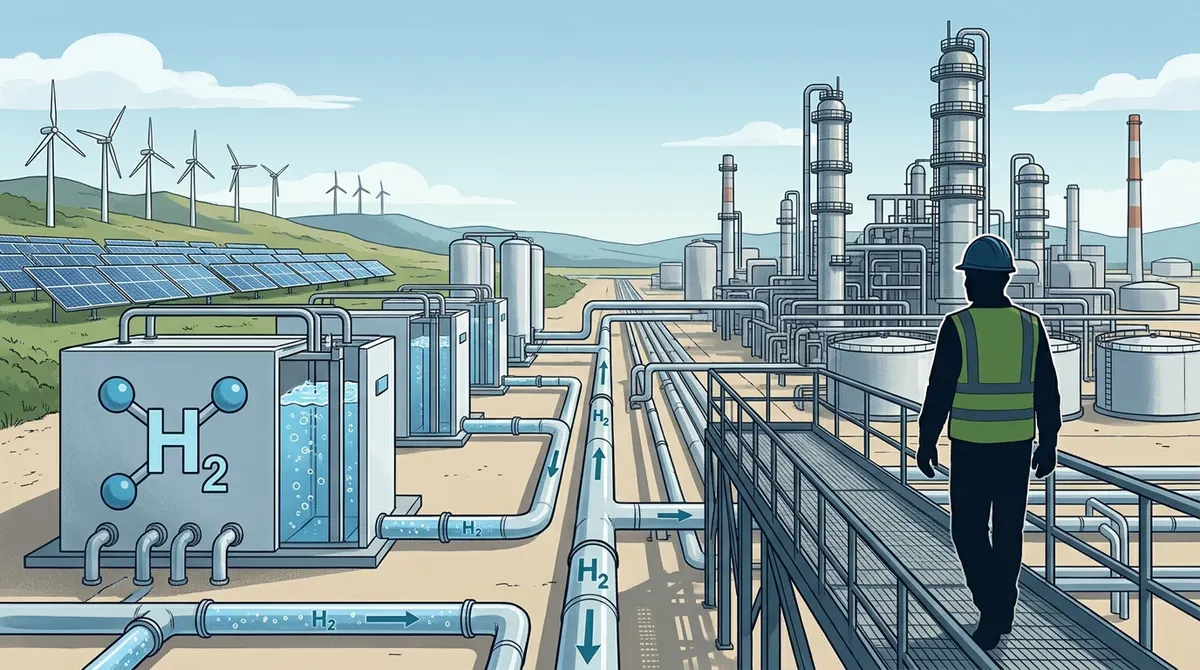
bp and Iberdrola start up 25-MW green hydrogen plant at Spanish refinery
The plant at a refinery in eastern Spain is expected to produce 2,800 tons of hydrogen a year and cut refinery CO2 emissions by 23,000 tons annually.