Brazil Certifies Five New Biomethane Facilities, Bringing Total to Eight
Brazil's oil, gas and biofuels regulator has certified five facilities in four states to issue certificates of origin, raising the number to eight.

Brazil's National Agency of Petroleum, Natural Gas and Biofuels (ANP) has newly certified five biomethane production facilities in four states. As a result, the number of facilities able to issue biomethane guarantee-of-origin certificates (CGobs) has risen to eight, CPG Click Oil and Gas reported.
Biomethane is gas produced by removing impurities from biogas generated by processes such as fermentation of organic matter, raising the content of methane, its main component. Because its composition is nearly the same as natural gas, it can be used in existing gas supply networks and equipment. It is treated as a way to replace natural gas derived from fossil fuels.
A guarantee-of-origin certificate proves which facility produced the gas and what raw materials were used. Obtaining a certificate allows a producer to show that the gas comes from renewable sources and to use the environmental value in trading. The latest certifications increase the number of facilities able to issue these certificates.
The certifications cover five facilities that ANP reviewed and approved, located across four states in Brazil. The latest certifications specifically show how far the certificate-issuing system extends across the country.
Brazil has a long track record in biofuel production, including ethanol made from sugarcane. Biogas projects using agricultural residues and livestock manure are also spreading. ANP is the agency that regulates and authorizes biofuels, and biomethane certificates are also issued under the agency's licensing system.
The increase to eight certifying facilities is seen as helping to build the foundation for a biomethane certificate system.
Attention will focus on whether the newly certified facilities actually issue certificates and whether trading expands. The extent to which the use of biomethane as a substitute for natural gas advances in Brazil will also be a key issue.
Background
Biomethane is gas produced by refining biogas, obtained by fermenting organic matter such as livestock manure and agricultural residues, to raise its methane content. Its composition is close to natural gas, and it can be fed into existing gas networks. To expand its use, guarantee-of-origin certificates that verify the source of the gas have been established. In Brazil, the National Agency of Petroleum, Natural Gas and Biofuels holds the authority to certify facilities and issue certificates.
Source: CPG Click Oil and Gas
This article was written by the editors based on the cited report and translated from Japanese.
More news

Kure recycler Kokko wins excellence award in Healthy Management Grand Prize
The Kure-based company was honored at a corporate association contest held in Shimane Prefecture in November 2026.
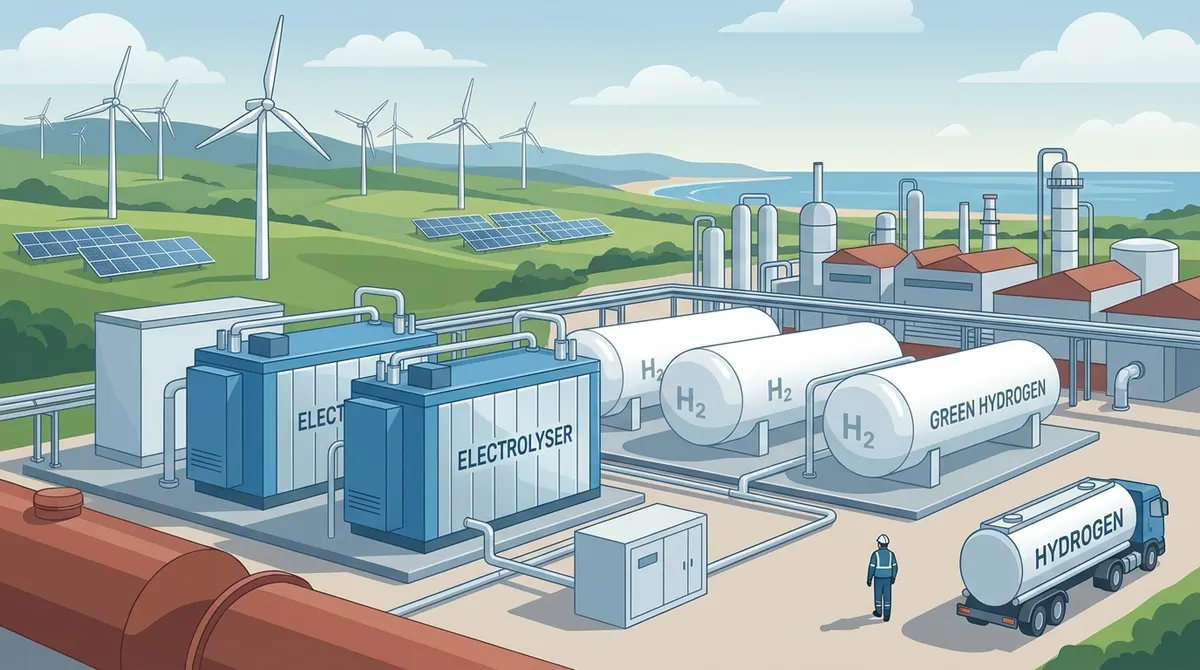
bp, Iberdrola start 25 MW green hydrogen plant at Spain's Castellón refinery
The 50-50 joint venture plans to produce about 2,800 tons of renewable hydrogen a year for use as fuel.

Fukuoka City opens call for projects to bring decarbonization tech to market
The city's Fukuoka Zero Carbon Gate support desk began accepting proposals on November 27, 2026, aiming to reach net-zero greenhouse gas emissions by fiscal 2040.
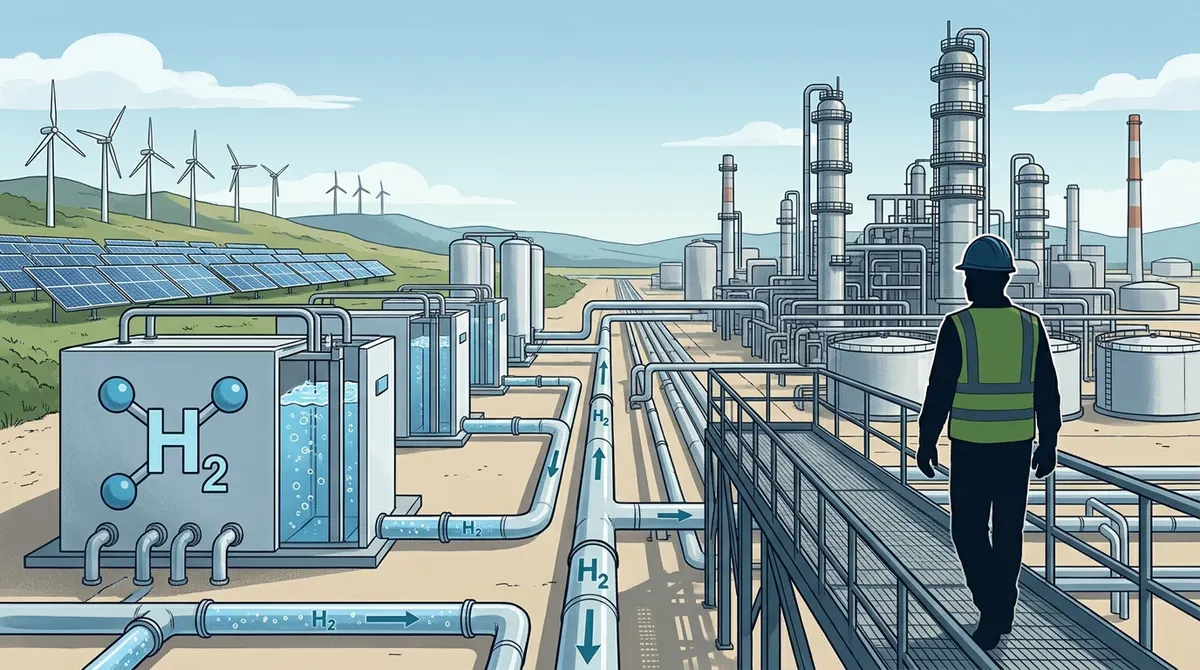
bp and Iberdrola start up 25-MW green hydrogen plant at Spanish refinery
The plant at a refinery in eastern Spain is expected to produce 2,800 tons of hydrogen a year and cut refinery CO2 emissions by 23,000 tons annually.