Osaka Gas invests in Australian biomethane developer, first by a Japanese company
The investment supports Australia's push toward carbon neutrality by backing a developer of biomethane projects.

Osaka Gas Co. said its wholly owned subsidiary, Osaka Gas Australia Pty Ltd. (OGA), has decided to invest in Optimal Renewable Gas Pty Ltd. (ORG), an Australian developer of biomethane production projects. It is the first time a Japanese company has invested in an Australian biomethane developer.
The investment aims to promote the development of biomethane projects in Australia. Osaka Gas said it will work with ORG to contribute to Australia's carbon neutrality. Mike Davis is managing director of ORG.
Biomethane is a renewable gas made by refining biogas, which is produced from livestock manure, food waste and other materials, to raise its methane concentration. Because it has the same properties as methane, the main component of city gas, it can be used in existing gas pipelines and equipment without modification.
Carbon neutrality means reducing greenhouse gas emissions, such as carbon dioxide, to net zero by subtracting amounts removed through forest absorption and capture and storage. Biomethane is attracting attention as a way to replace fossil fuel-based gas because the carbon dioxide released when it burns is considered to be carbon that plants and other organic matter had absorbed from the atmosphere.
Background
Biogas is a gas produced when microorganisms break down organic matter such as livestock manure and food waste. Refining it to remove carbon dioxide and raise its methane content yields biomethane, which has the same composition as city gas and can therefore be used in existing gas supply networks. Carbon neutrality is the principle of offsetting greenhouse gas emissions with absorption and removal to reach zero net emissions, and it underpins decarbonization policies in many countries. Japanese gas utilities are exploring a shift to biomethane and synthetic methane to reduce their reliance on natural gas.
Source: 大阪ガス
This article was written by the editors based on the cited report and translated from Japanese.
More news

Karatsu Farm&Food Approved as 1% for the Planet Partner, Recommended by Patagonia Japan
Member companies can now direct 1% of their annual sales to one of three projects run by the Saga Prefecture nonprofit after Patagonia Japan recommended it.
Rajaputana Biodiesel Subsidiary Wins Approval for CBG Plant in Ajmer, Rajasthan
The 18-ton-per-day compressed biogas facility in Ajmer district of Rajasthan state moves closer to construction.
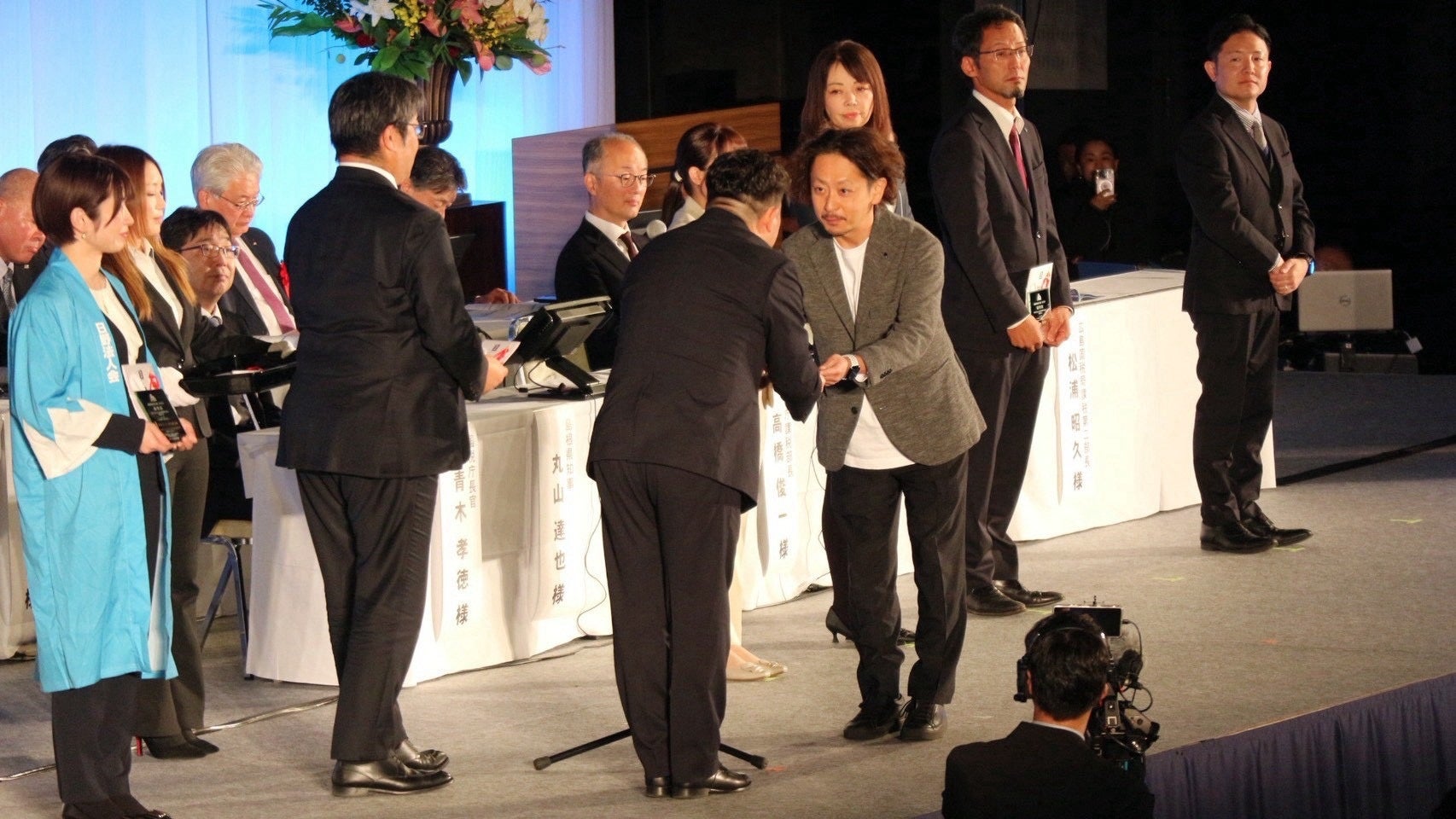
Kure recycler Kokko wins excellence award in Healthy Management Grand Prize
The Kure-based company was honored at a corporate association contest held in Shimane Prefecture in November 2026.
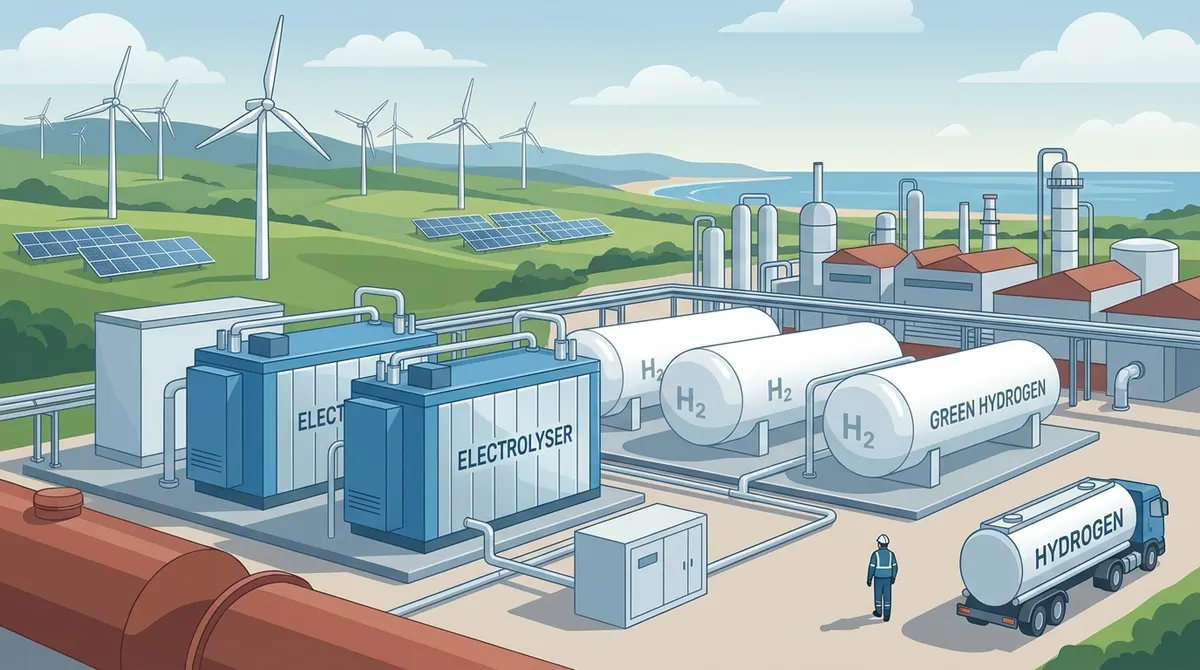
bp, Iberdrola start 25 MW green hydrogen plant at Spain's Castellón refinery
The 50-50 joint venture plans to produce about 2,800 tons of renewable hydrogen a year for use as fuel.