Rajaputana Biodiesel Subsidiary Wins Approval for CBG Plant in Ajmer, Rajasthan
The 18-ton-per-day compressed biogas facility in Ajmer district of Rajasthan state moves closer to construction.

The approved plant has a processing capacity of 18 tons per day (18 TPD). TPD is a unit indicating the amount processed per day in tons, and here it serves as a guide to the volume of biogas feedstock received. CBG, or compressed biogas, is gas produced by anaerobically fermenting organic waste, with carbon dioxide and other components removed so that it matches the composition of city gas or vehicle fuel.
In India, the government is promoting CBG, and plans for plants that use agricultural residues, livestock manure and urban organic waste as feedstock are advancing across the country. CBG is notable for its ability to replace compressed natural gas (CNG) for vehicles and is attracting attention as a means of decarbonizing the transport sector.
Revenue for CBG plant operations comes from selling gas, selling by-products such as organic fertilizer (digestate and compost), and processing fees charged when accepting feedstock. Costs are centered on collecting and transporting feedstock, building facilities, and managing operations. Securing a stable supply of feedstock is a challenge common to similar businesses and often determines success or failure.
The approval is one of the procedures the company must complete to put its business in Ajmer into concrete form. Attention will now turn to announcements on the start of construction and the start of operations.
Background
In India, biogas is being promoted as government policy to reduce dependence on imports of oil and natural gas. CBG is produced by fermenting organic waste such as livestock manure and agricultural residues, and refined to natural gas-level quality, allowing it to replace vehicle fuel and city gas. Because feedstock is collected and processed locally, the approach can reduce waste while expanding the domestic supply of fuel. The Indian government has put in place systems to encourage CBG production and sales. In Rajasthan, a state-owned corporation serves as the window for business approvals and support.
Source: BioEnergy Times
This article was written by the editors based on the cited report and translated from Japanese.
More news

Karatsu Farm&Food Approved as 1% for the Planet Partner, Recommended by Patagonia Japan
Member companies can now direct 1% of their annual sales to one of three projects run by the Saga Prefecture nonprofit after Patagonia Japan recommended it.
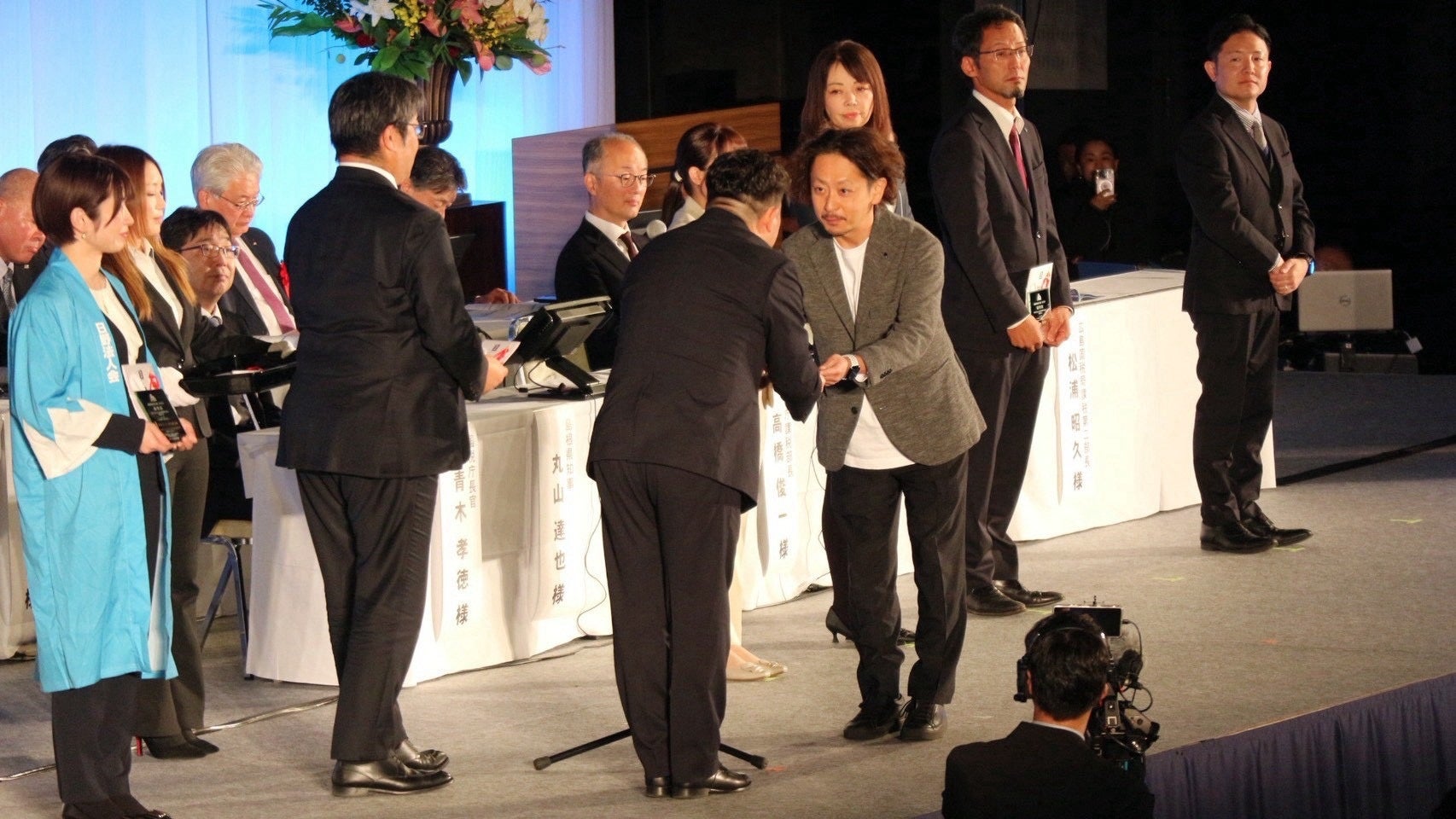
Kure recycler Kokko wins excellence award in Healthy Management Grand Prize
The Kure-based company was honored at a corporate association contest held in Shimane Prefecture in November 2026.
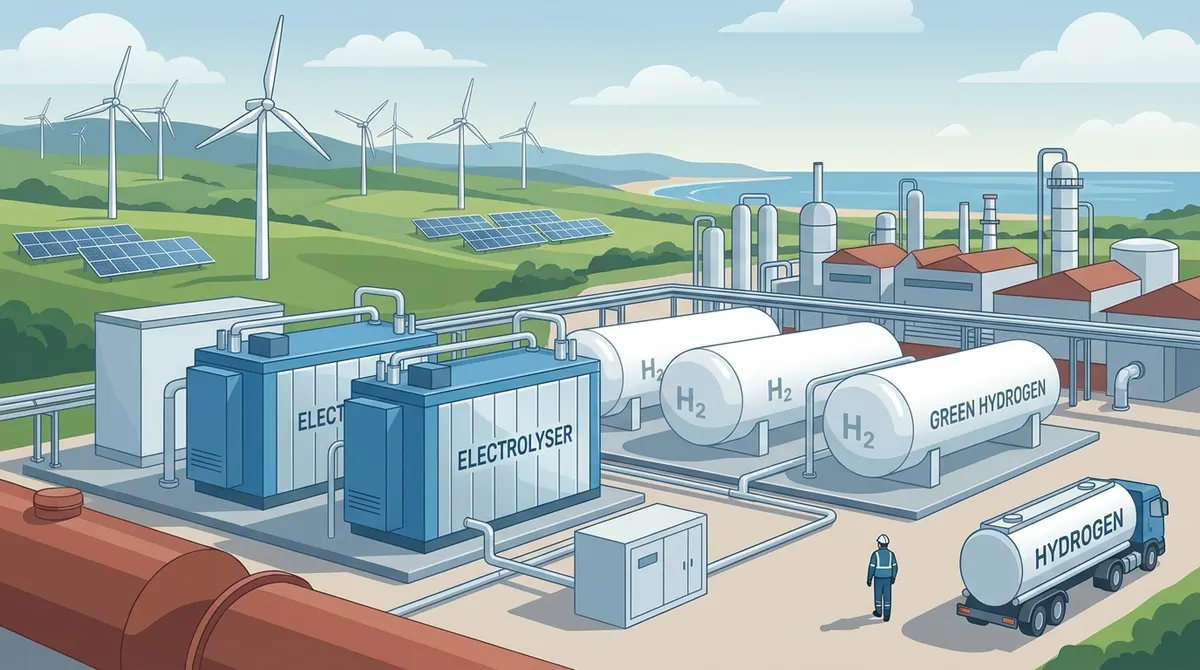
bp, Iberdrola start 25 MW green hydrogen plant at Spain's Castellón refinery
The 50-50 joint venture plans to produce about 2,800 tons of renewable hydrogen a year for use as fuel.

Fukuoka City opens call for projects to bring decarbonization tech to market
The city's Fukuoka Zero Carbon Gate support desk began accepting proposals on November 27, 2026, aiming to reach net-zero greenhouse gas emissions by fiscal 2040.