China's first biomethane bunkering for international vessels at Qingdao Port
A container ship received biomethane fuel at Qingdao Port in Shandong Province on November 25 and then headed for Singapore and other ports.

On November 25, a container ship was successfully refueled with biomethane at Qingdao Port in Shandong Province, in eastern China. The container ship that received the fuel then headed for Singapore and other ports. The supply of an alternative fuel to an international vessel at a domestic port is a milestone in the decarbonization of shipping.
Biomethane is a renewable gas made by refining biogas, which is generated through processes such as the fermentation of organic matter, to raise its methane concentration. Because its main component is methane, the same as natural gas, it can be used without major changes to existing LNG facilities or ship systems. It is attracting attention as a way to switch the fuel supply to renewable resources in place of fossil natural gas.
International shipping is an area where reducing greenhouse gas emissions from vessels is required on a global basis. Alternatives to heavy fuel oil that have been considered include LNG, methanol and ammonia. Among them, biomethane, which can be added directly to the LNG system, is seen as a realistic option that can make use of existing fuel infrastructure.
The refueling shows that the port has put in place a system to supply biomethane to international vessels as marine fuel. Supplying fuel to ships is generally called bunkering, and whether more ports become supply hubs will determine how widely alternative fuels spread.
The fact that the container ship that received the refueling headed for Singapore and other ports means that an alternative fuel supplied at a Chinese port has begun to be used on international routes. With voyages to Singapore, a major international shipping hub, continuing, the record of the refueling could draw the interest of international shipowners and operators.
Attention will focus on how often similar refueling takes place at Qingdao Port. The amount of biogas procured as the raw material for biomethane and the capacity of refining facilities are expected to be the conditions that support continuous supply. Whether biomethane becomes established as a fuel for international vessels will depend on expanding this supply system.
Background
Biomethane is a gas made by removing impurities from biogas, obtained by fermenting livestock manure and food waste, and raising its methane concentration. The carbon dioxide released when it burns is considered to be the amount that the original organic material absorbed from the atmosphere while growing, so biomethane is treated as a renewable energy source. Because it can be used as a substitute for city gas and marine LNG, countries are introducing it as a means of decarbonization.
Source: CGTN Japanese
This article was written by the editors based on the cited report and translated from Japanese.
More news

Kure recycler Kokko wins excellence award in Healthy Management Grand Prize
The Kure-based company was honored at a corporate association contest held in Shimane Prefecture in November 2026.
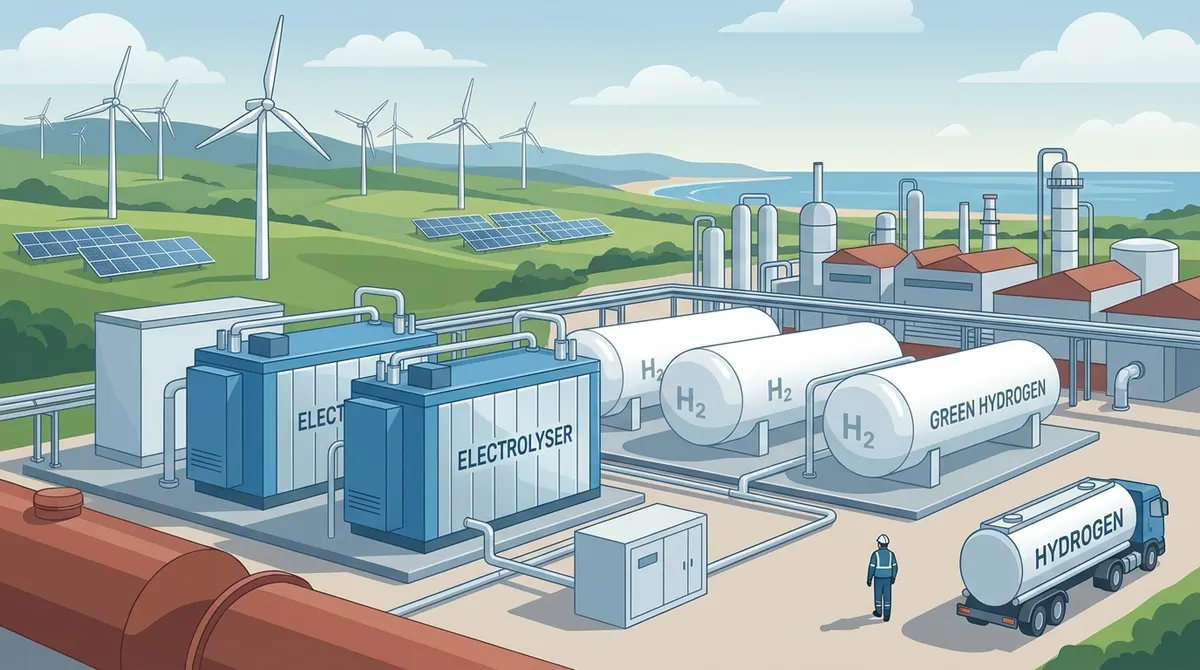
bp, Iberdrola start 25 MW green hydrogen plant at Spain's Castellón refinery
The 50-50 joint venture plans to produce about 2,800 tons of renewable hydrogen a year for use as fuel.

Fukuoka City opens call for projects to bring decarbonization tech to market
The city's Fukuoka Zero Carbon Gate support desk began accepting proposals on November 27, 2026, aiming to reach net-zero greenhouse gas emissions by fiscal 2040.
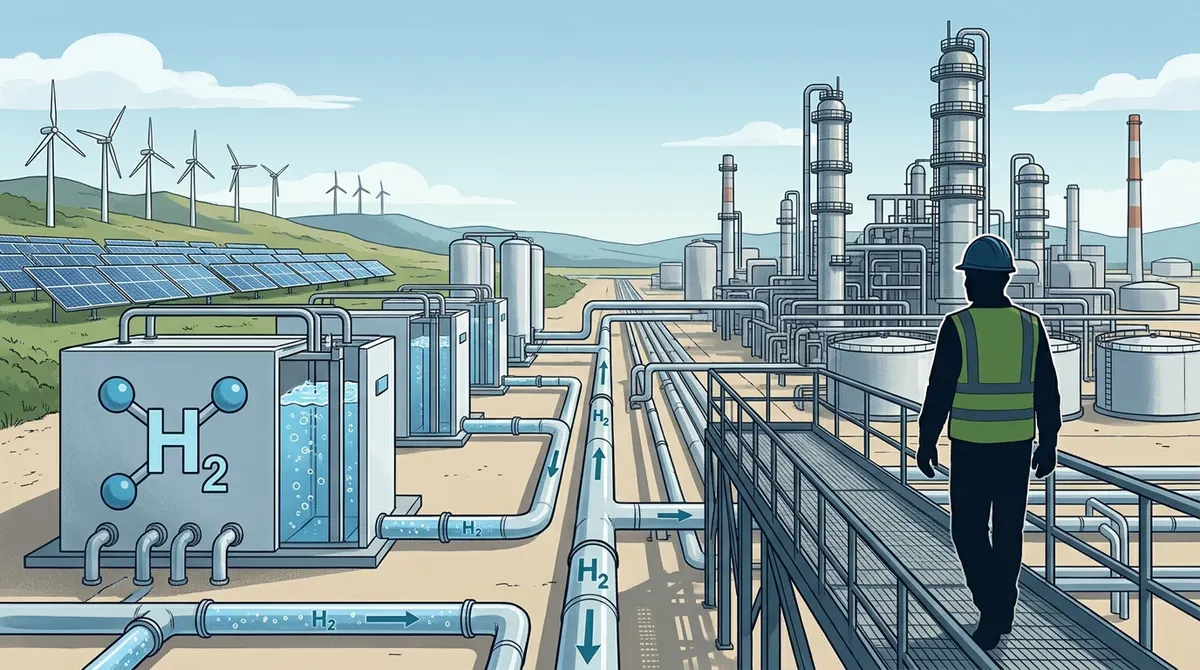
bp and Iberdrola start up 25-MW green hydrogen plant at Spanish refinery
The plant at a refinery in eastern Spain is expected to produce 2,800 tons of hydrogen a year and cut refinery CO2 emissions by 23,000 tons annually.