Kawasaki Heavy starts testing hydrogen compressor for large fuel-cell trucks
The company aims to start selling a high-capacity system that can fill large volumes of hydrogen in a short time from fiscal 2028.
Kawasaki Heavy Industries Ltd. said it has developed a compressor to supply hydrogen to large fuel-cell electric trucks and has begun testing it. The device can fill a vehicle with a large amount of hydrogen in a short time, and the company aims to start sales from fiscal 2028.
The compressor being developed is a high-capacity, high-pressure gas booster-type hydrogen compressor. It combines piston-type components to raise pressure in stages and is designed to compress hydrogen to up to about 80 megapascals (MPa). The compressor is a core piece of equipment that sends hydrogen from storage tanks at a hydrogen station into vehicles.
Large trucks carry more hydrogen than passenger cars and are said to take longer to fill. A filling system that can deliver large amounts of hydrogen in a short time would reduce the constraints logistics companies face when operating their vehicles. Fuel-cell vehicles generate electricity by reacting hydrogen with oxygen and run on motors, and the way the fuel cell produces electricity is the same as in passenger cars.
Hydrogen can be produced through several methods, including water electrolysis, reforming of natural gas and gasification of biomass, and emissions during production vary by method. Because vehicles emit no carbon dioxide while driving, hydrogen is positioned as an option for decarbonizing the transport sector.
Background
Hydrogen is a substance produced through methods such as water electrolysis and reforming of natural gas, and it is converted into electricity through fuel cells. A fuel-cell vehicle (FCV) generates electricity with an onboard fuel cell and runs on a motor. Compared with passenger cars, large trucks travel longer distances and carry more fuel, so equipment that can refuel large amounts of hydrogen at once has been required. Compressors that raise hydrogen to high pressure for storage and filling at hydrogen stations have been cited as one of the constraints on wider adoption.
Source: 日本経済新聞
This article was written by the editors based on the cited report and translated from Japanese.
More news

Karatsu Farm&Food Approved as 1% for the Planet Partner, Recommended by Patagonia Japan
Member companies can now direct 1% of their annual sales to one of three projects run by the Saga Prefecture nonprofit after Patagonia Japan recommended it.

Rajaputana Biodiesel Subsidiary Wins Approval for CBG Plant in Ajmer, Rajasthan
The 18-ton-per-day compressed biogas facility in Ajmer district of Rajasthan state moves closer to construction.
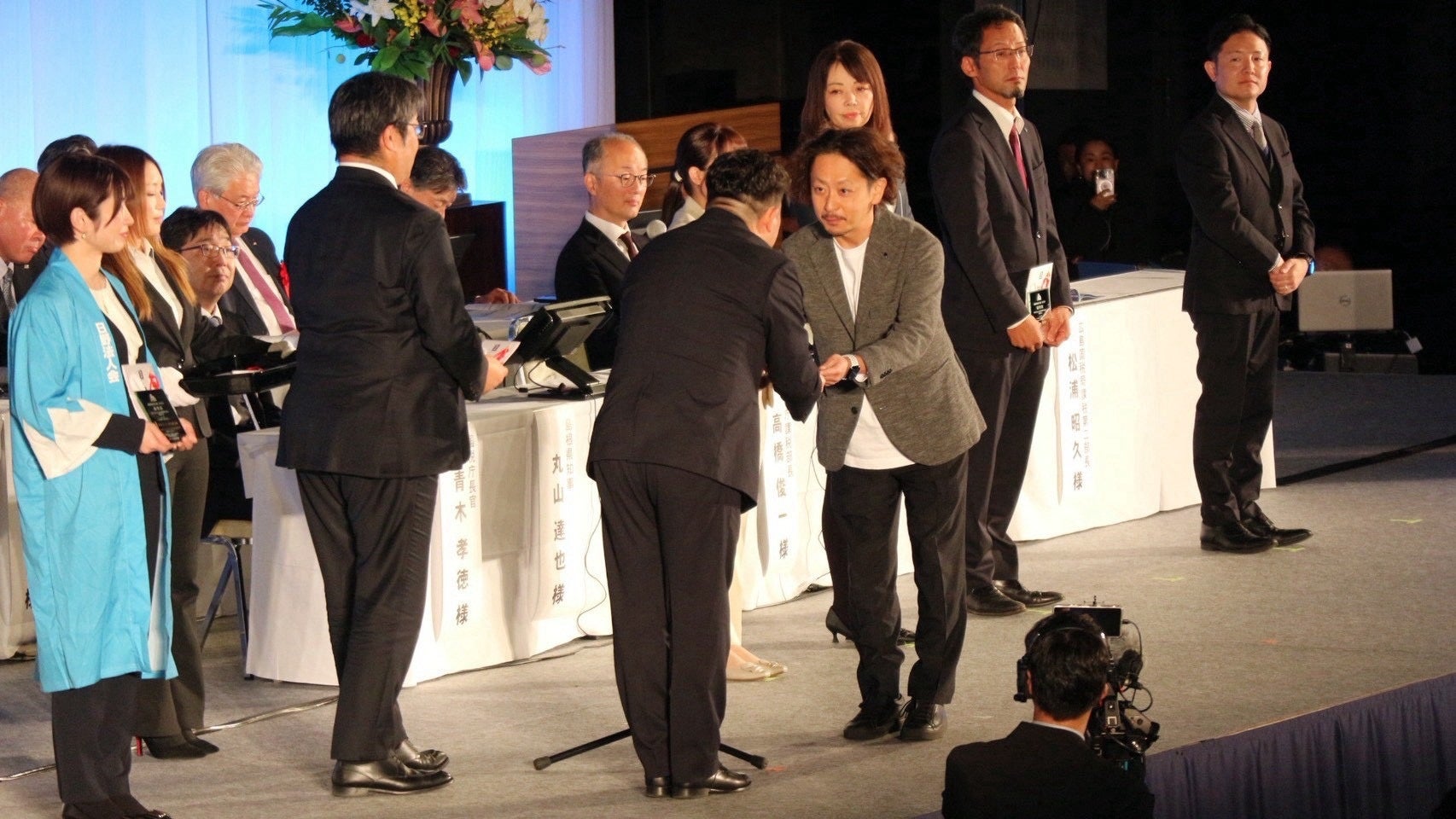
Kure recycler Kokko wins excellence award in Healthy Management Grand Prize
The Kure-based company was honored at a corporate association contest held in Shimane Prefecture in November 2026.
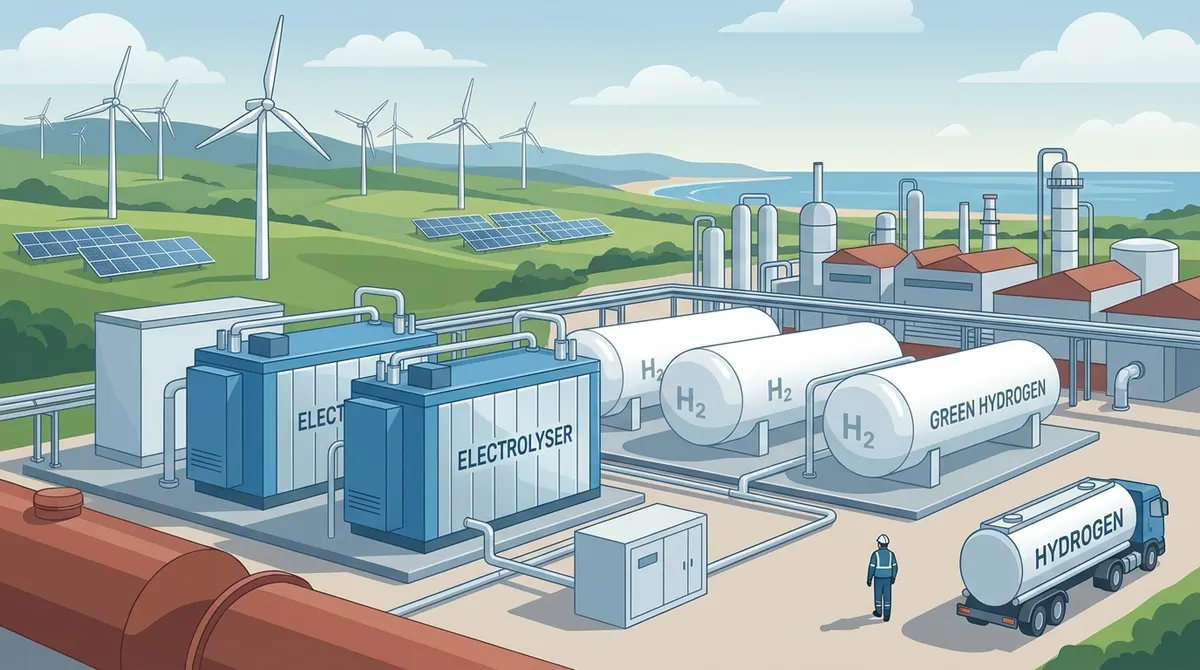
bp, Iberdrola start 25 MW green hydrogen plant at Spain's Castellón refinery
The 50-50 joint venture plans to produce about 2,800 tons of renewable hydrogen a year for use as fuel.