Suzuki to test biogas fuel filling for Kosai city vehicles, a first on public roads
The project will use a compact device to fill city vehicles with biogas made from sewage sludge in a nationwide first for public road use.

Suzuki Motor Corp., Kosai City and Toyohashi Biomass Solutions, a biomass company based in Toyohashi, Aichi Prefecture, announced on the 24th that they have signed a partnership agreement for a demonstration project on the use of biogas. The plan calls for filling city-owned vehicles in Kosai with biogas refined from sewage sludge and other materials and using it as fuel.
The main focus is to determine how practical the gas is as a replacement for gasoline and diesel fuel.
Biogas is a methane-based gas produced when microorganisms ferment food waste and livestock manure. Biomass refers to organic resources of biological origin, including wood, crop residues, food waste and livestock manure. Sewage sludge also contains a large amount of organic matter, so biogas can be obtained from it through anaerobic digestion.
Using biogas as vehicle fuel requires refining it to remove impurities and compressing it and filling it into the vehicle's onboard fuel tank. If gas can be filled from a compact device near where it is produced, as in this project, vehicles may be able to use it without building large-scale supply infrastructure, which could lead to a regional, circular energy system.
Background
Biogas is a gas whose main component is methane, produced as microorganisms break down organic matter, and it has been used as city gas and fuel. In Japan, collection is advancing at sewage treatment plants that digest sludge, waste treatment facilities and livestock farms. However, using the collected gas as vehicle fuel requires refining and compression, and the scale of supply equipment has been a barrier to adoption. The government has set a policy of expanding renewable energy and promoting resource recycling, and efforts to use waste-derived energy locally are being explored in various regions.
Source: 中日BIZナビ
This article was written by the editors based on the cited report and translated from Japanese.
More news

Karatsu Farm&Food Approved as 1% for the Planet Partner, Recommended by Patagonia Japan
Member companies can now direct 1% of their annual sales to one of three projects run by the Saga Prefecture nonprofit after Patagonia Japan recommended it.

Rajaputana Biodiesel Subsidiary Wins Approval for CBG Plant in Ajmer, Rajasthan
The 18-ton-per-day compressed biogas facility in Ajmer district of Rajasthan state moves closer to construction.
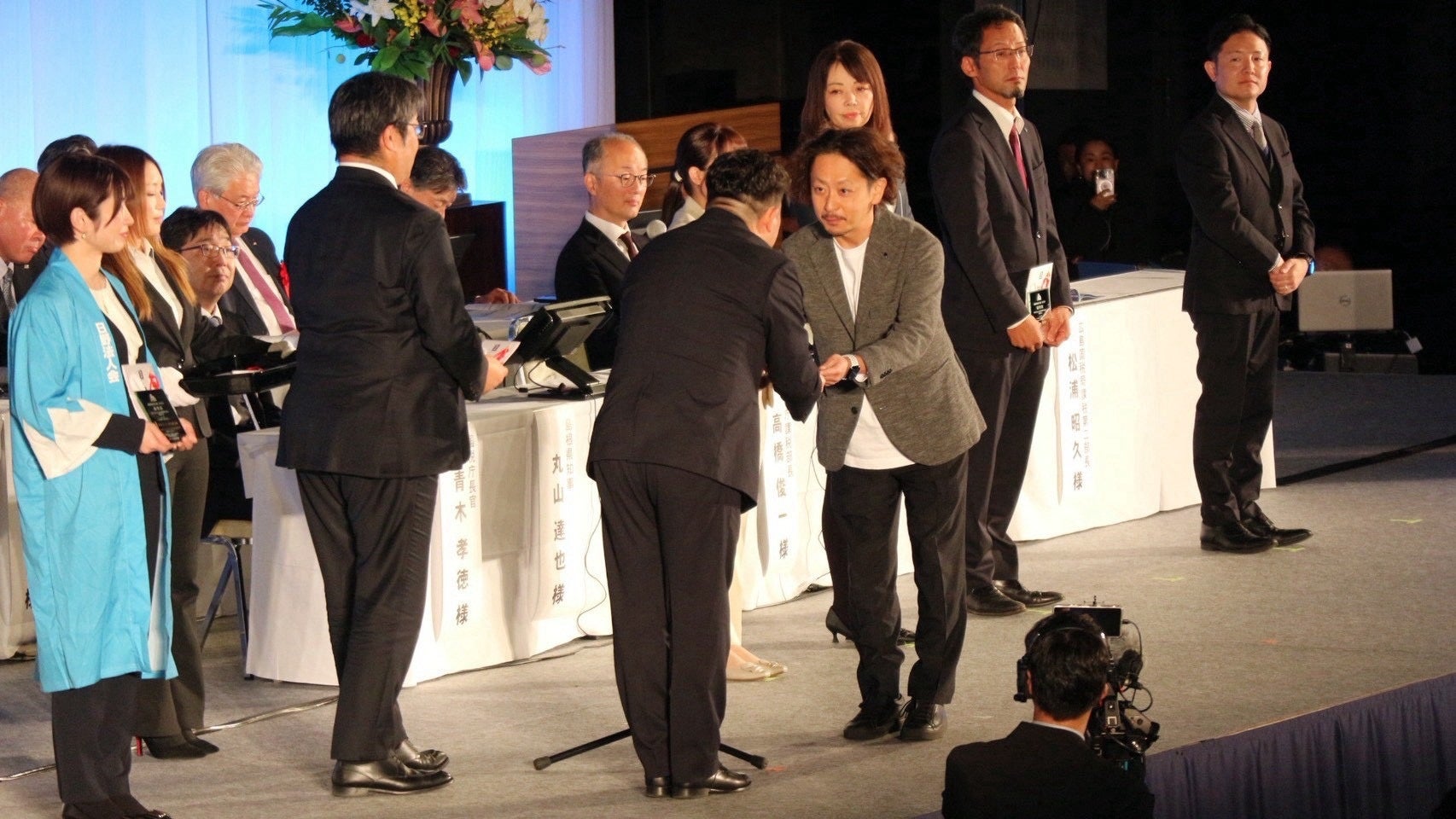
Kure recycler Kokko wins excellence award in Healthy Management Grand Prize
The Kure-based company was honored at a corporate association contest held in Shimane Prefecture in November 2026.
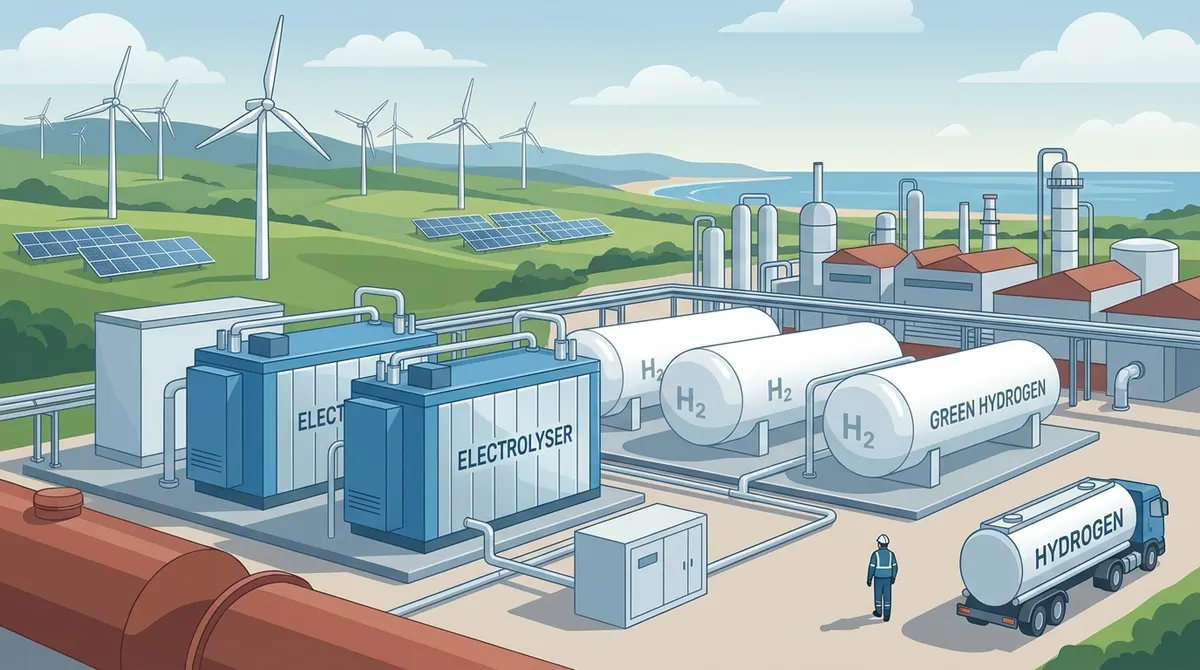
bp, Iberdrola start 25 MW green hydrogen plant at Spain's Castellón refinery
The 50-50 joint venture plans to produce about 2,800 tons of renewable hydrogen a year for use as fuel.