Kawasaki Heavy tests compressor for large-scale hydrogen stations serving heavy trucks
Kawasaki Heavy completed a test unit of a large-capacity, high-pressure gas booster compressor and began evaluation tests using actual hydrogen at its Harima Plant in October this year.

Kawasaki Heavy Industries said Nov. 24 that it has completed a test unit of a large-capacity, high-pressure gas booster-type hydrogen compressor that supplies hydrogen to large-scale hydrogen stations dedicated to fuel cell heavy-duty commercial vehicles (FCHDV). In October this year, the company began evaluation tests using actual hydrogen gas at its Harima Plant in Harima-cho, Hyogo Prefecture.
The company has been developing the compression system required for new-standard hydrogen stations dedicated to FCHDVs, along with the compressor at its core, since 2023, when it was adopted for a subsidy program run by the New Energy and Industrial Technology Development Organization (NEDO). The aim is to make large-scale hydrogen stations possible and to reduce the cost of the system.
In terms of performance, the company expects the larger compressor capacity to allow it to fill 30 kilograms of hydrogen gas per large truck in 10 minutes. The company said it expects the system to be able to fill four trucks in succession per hour.
The company expects the number of compressors and the capacity and number of high-pressure accumulators to be optimized, which it said would lower the operating costs of hydrogen stations. A compressor boosts hydrogen to high pressure, stores it and sends it to vehicles, and it largely determines the overall equipment configuration of a station.
To explain the terms, a hydrogen station is a facility that dispenses hydrogen to fuel cell vehicles and other vehicles. A fuel cell is a device that generates electricity by reacting hydrogen with oxygen, and FCHDVs run on this electricity. Because hydrogen vehicles emit no carbon dioxide while driving, they are seen as a way to decarbonize trucks that handle long-distance transport.
In future evaluation tests, the company will comprehensively verify performance, functionality, reliability and safety in an actual hydrogen environment. It plans to use the data obtained to refine the design and build a technical foundation for a demonstration phase in fiscal 2027 that will simulate actual operation at hydrogen stations.
For hydrogen infrastructure for large vehicles, a key challenge is achieving both fast filling speeds and reasonable equipment costs. How much this test contributes to solving that challenge will be the focus going forward.
Source: LOGI-BIZ online
This article was written by the editors based on the cited report and translated from Japanese.
More news

Karatsu Farm&Food Approved as 1% for the Planet Partner, Recommended by Patagonia Japan
Member companies can now direct 1% of their annual sales to one of three projects run by the Saga Prefecture nonprofit after Patagonia Japan recommended it.

Rajaputana Biodiesel Subsidiary Wins Approval for CBG Plant in Ajmer, Rajasthan
The 18-ton-per-day compressed biogas facility in Ajmer district of Rajasthan state moves closer to construction.
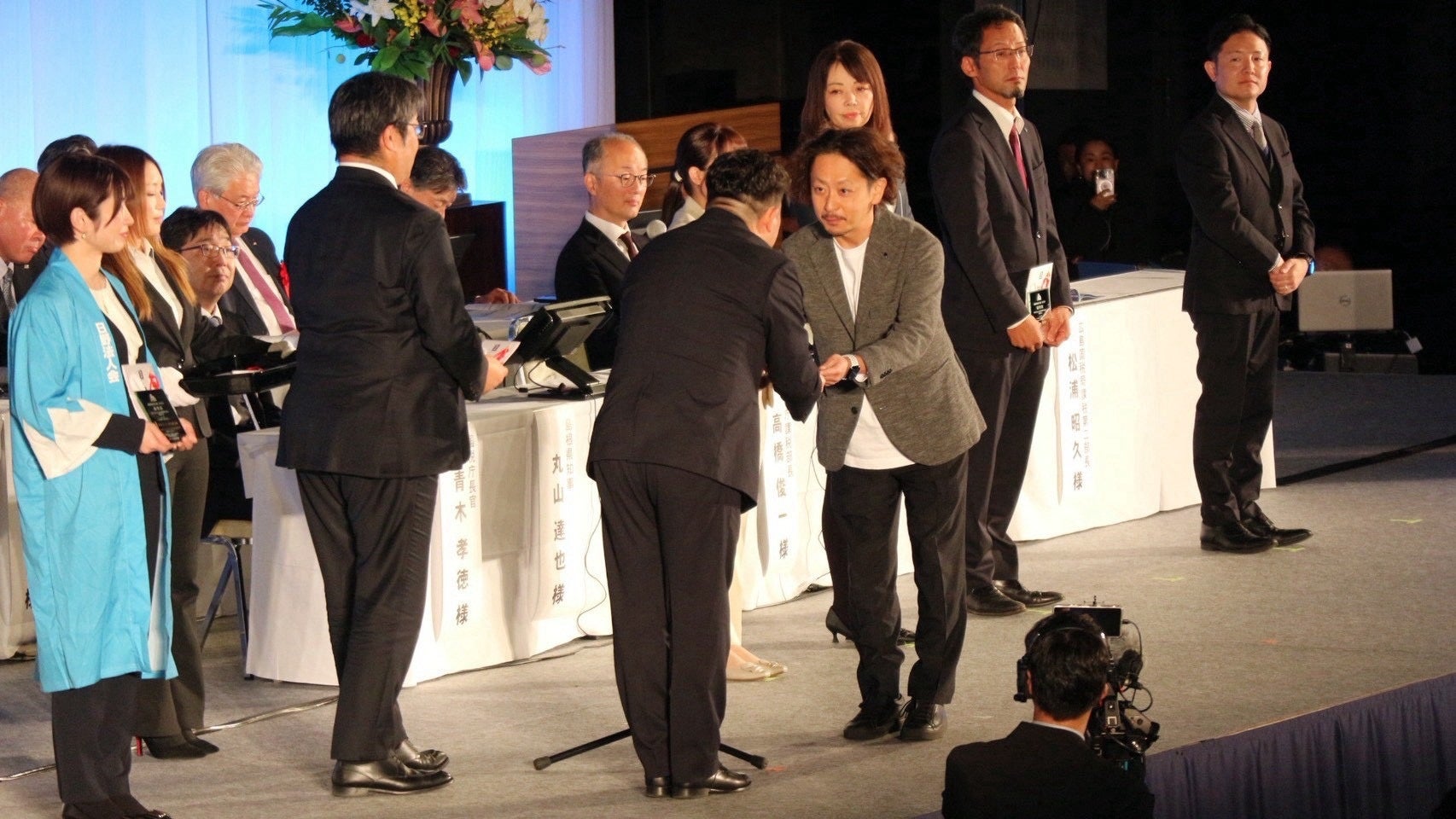
Kure recycler Kokko wins excellence award in Healthy Management Grand Prize
The Kure-based company was honored at a corporate association contest held in Shimane Prefecture in November 2026.
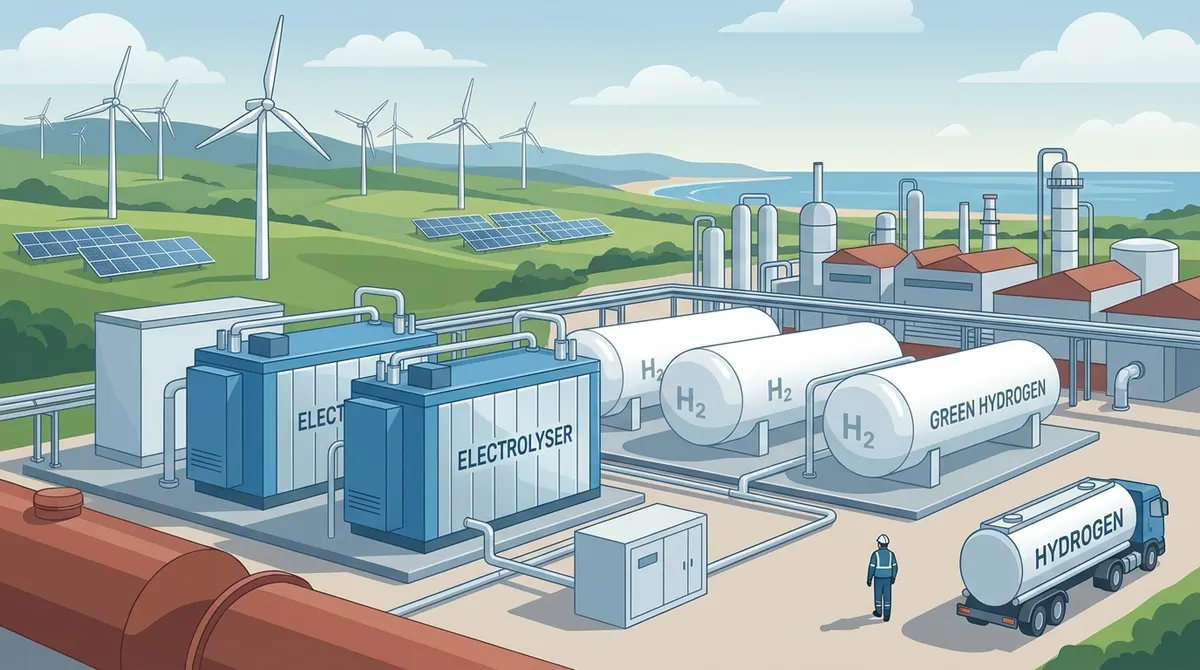
bp, Iberdrola start 25 MW green hydrogen plant at Spain's Castellón refinery
The 50-50 joint venture plans to produce about 2,800 tons of renewable hydrogen a year for use as fuel.