Tam Binh district allocates 300 million dong for biogas digesters at 20 pig farms
Tam Binh district in Vietnam will spend 300 million dong to build biogas digesters for 20 pig-farming households, a small-scale project that turns livestock manure into a resource.

Tam Binh district in Vietnam will allocate 300 million dong to build biogas digesters for 20 pig-farming households. The project aims to generate energy while treating livestock manure.
Manure management is often a challenge in pig farming. If it is not handled properly, it can cause foul odors and water pollution. Digesters ferment the manure to extract biogas and also reduce the pollution load of wastewater.
A digester is a facility in which livestock manure and wastewater are placed in a sealed tank, where anaerobic microorganisms break down organic matter. The methane-based gas produced can be used for cooking fuel, lighting and electricity generation.
For farmers, the benefits include lower fuel costs and better odor control. The digestate left after fermentation can be used as fertilizer on farmland.
Methane from pig farming has a high greenhouse effect, so capturing and using it helps reduce its release into the atmosphere. Proper treatment of livestock manure also contributes to efforts to curb agricultural greenhouse gas emissions.
Digesters require temperature control and regular adjustment of input volumes, and technical support for farmers is essential to keep them running. Whether farmers can keep using the systems after construction will determine the project's success. Attention will focus on the construction of the digesters and how farmers operate them.
BLUE NOVA Hydrogen Journal view
Treating livestock manure in digesters is meaningful because it addresses odor and water quality problems in pig farming while creating fuel and energy locally. Introducing the systems at a scale of 20 households offers a realistic option for small rural operators. As an example from an agricultural country like Vietnam, it shows how livestock environmental measures and renewable energy can advance together. The next points to watch are the completion of the digesters and how farmers operate them.
Source: Vietnam.vn
This article was written by the editors based on the cited report and translated from Japanese. AI is used to assist in writing and translation.
More news

RIKEN VITAMIN and Puchipuchi co-develop masterbatch made from recycled raw materials
The masterbatch, which uses recycled raw materials, has been used in some Puchipuchi bubble cushioning products since April 2026.

Yamaguchi seminar on logistics efficiency and decarbonization set for Nov. 18 in Shimonoseki
The seminar, following full enforcement of the revised Logistics Efficiency Act, covers modal shift and joint transport.

Socotec gives reasonable assurance for CFP of Asahi Kasei's Korean unit's acrylonitrile
Socotec has provided reasonable-level assurance for the fiscal 2025 product CFP of acrylonitrile made by Tongsuh Petrochemical.
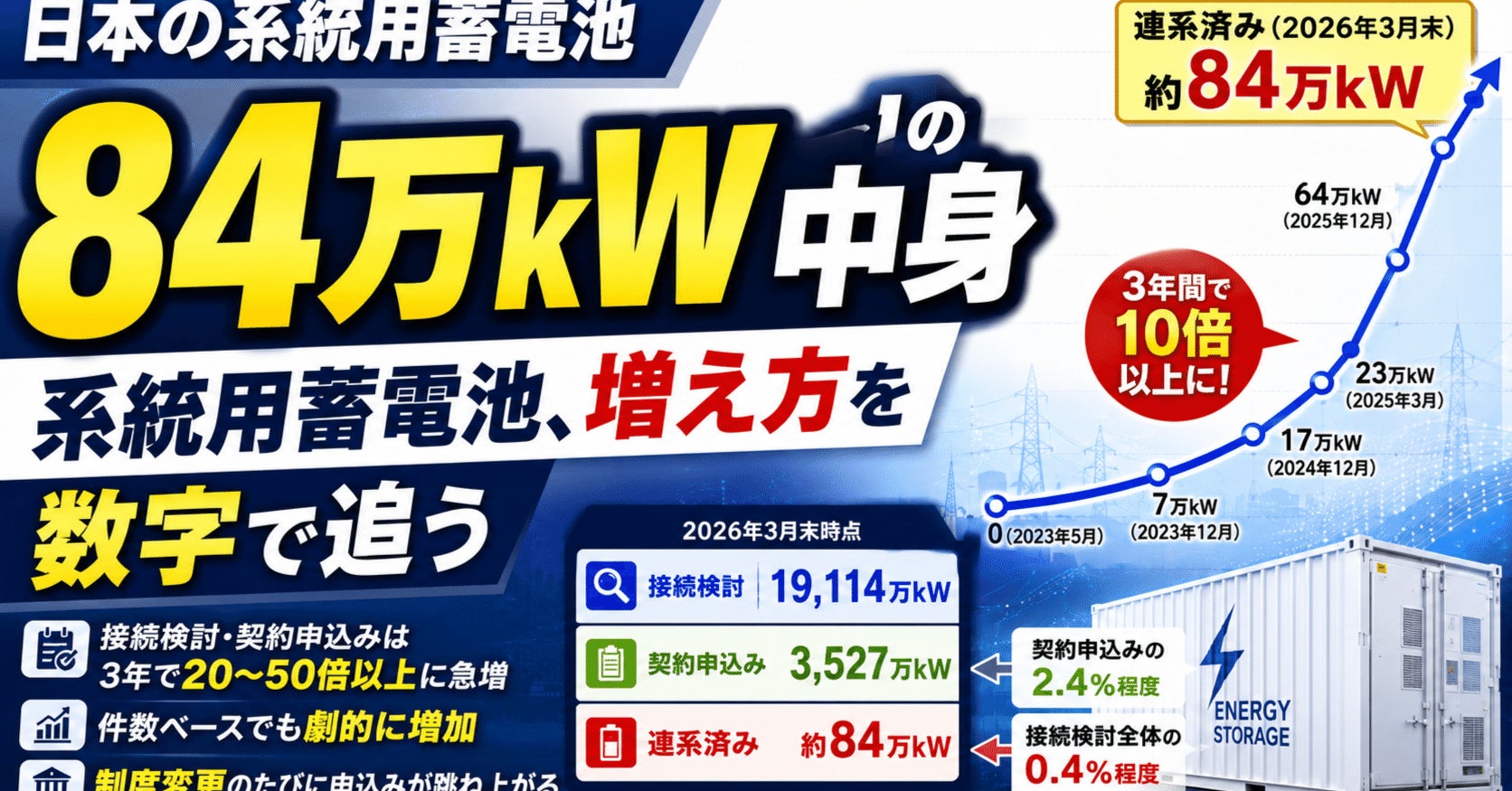
Grid battery capacity up more than tenfold in three years, webinar to outline adoption trends
Connected capacity reached about 840,000 kW at the end of March 2026, driven by rule changes and a surge in applications.