Paper Recycling Seminar Urges Shift From Awareness to Action in Fiscal 2026
The Paper Recycling Promotion Center held a seminar in Chiyoda, Tokyo, on October 16, 2026, to discuss sorting miscellaneous paper and changing citizens' behavior.
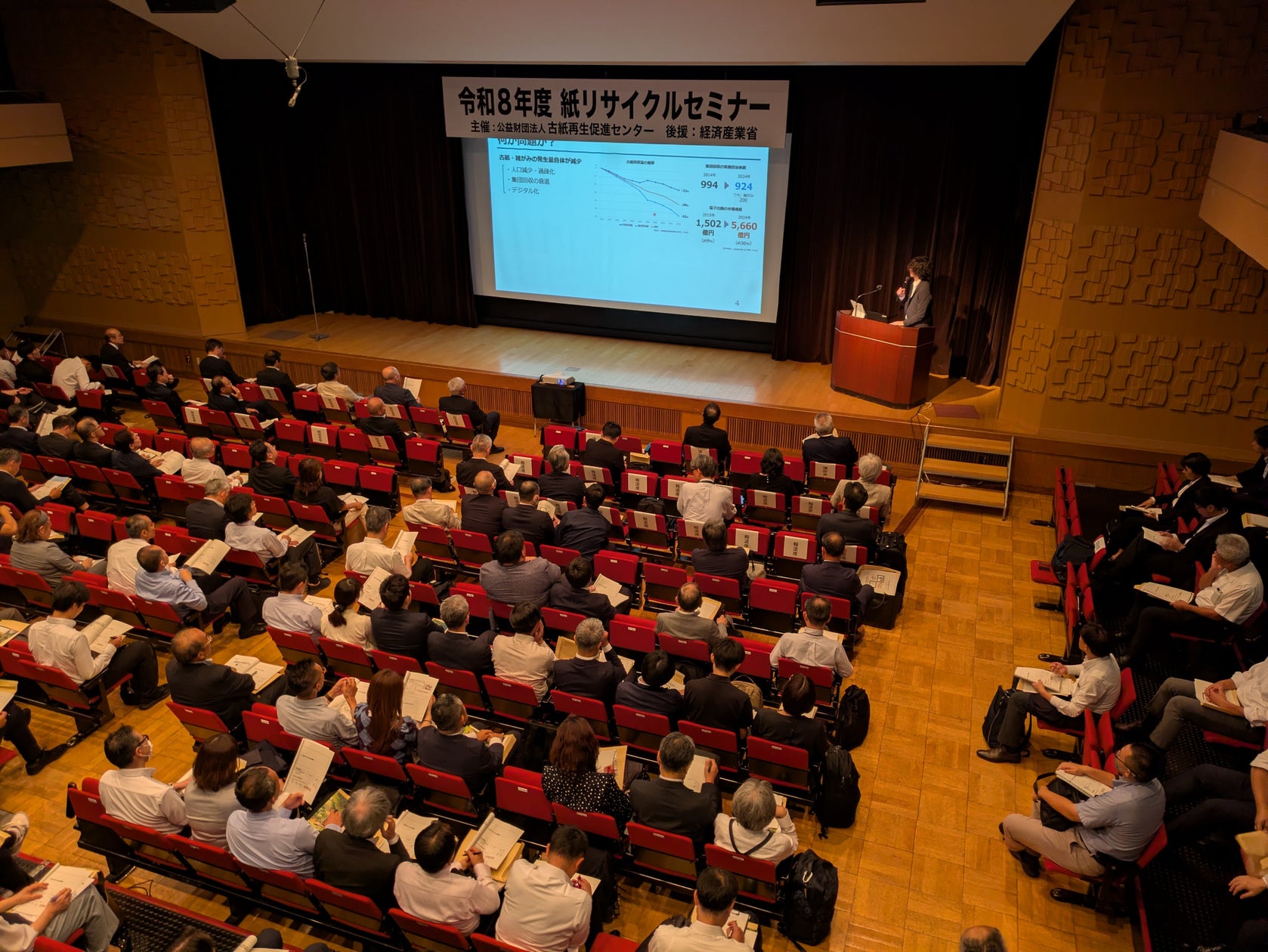
The Paper Recycling Promotion Center, a public interest foundation, held its "Paper Recycling Seminar" on October 16, 2026, at the Seiryo Kaikan Hall in Chiyoda, Tokyo. The event was held in a hybrid format combining an in-person venue and online access, and more than 200 people attended at the venue. The theme was "From knowing to acting on paper recycling."
The seminar addressed three perspectives: economics, practical work in cooperation with local governments, and building regional circular and symbiotic societies. The focus was on tapping into miscellaneous paper mixed in combustible waste and on awareness efforts that lead to changes in citizens' behavior.
Much miscellaneous paper that could be reused as a resource is still included in combustible waste. Beyond putting collection systems and sorting rules in place, the challenge is to connect individuals' awareness to actual behavior and create an environment in which that behavior can continue.
Speakers from both research and the field raised a shared question about how to communicate the message effectively. The Paper Recycling Promotion Center also introduced new awareness initiatives aimed at turning understanding and empathy into action.
From the perspective of economics, "nudging" was highlighted as a method to encourage the sorting of waste paper and miscellaneous paper. A nudge is a mechanism that does not force choices but makes desirable behavior easier to choose naturally. Sorting and storing paper involve time and psychological burdens, so reducing those burdens is considered effective.
Examples presented in the lectures included making collection results visible, enabling comparisons with others, and setting specific, nearby goals. In a Sendai City experiment on community collection points for waste paper, an analysis showed that informing individuals of their collection results increased the amount collected by 9.5%.
Paper recycling is considered important both for resource circulation and for reducing waste that is incinerated. Along with improving sorting systems, finding ways to raise awareness that residents can continue to support is expected to help increase future collection volumes.
BLUE NOVA Hydrogen Journal view
Paper can be recycled if it is sorted, and miscellaneous paper mixed into combustible waste offers considerable room to increase collection. The seminar was distinctive in focusing not only on systems and facilities but also on how people change their behavior. Approaches like nudges that reduce burdens could serve as useful references for embedding decarbonization and resource circulation efforts in daily life. Expanding efforts to make regional collection results visible could also help curb incineration volumes.
Source: PR TIMES
This article was written by the editors based on the cited report and translated from Japanese. AI is used to assist in writing and translation.
More news
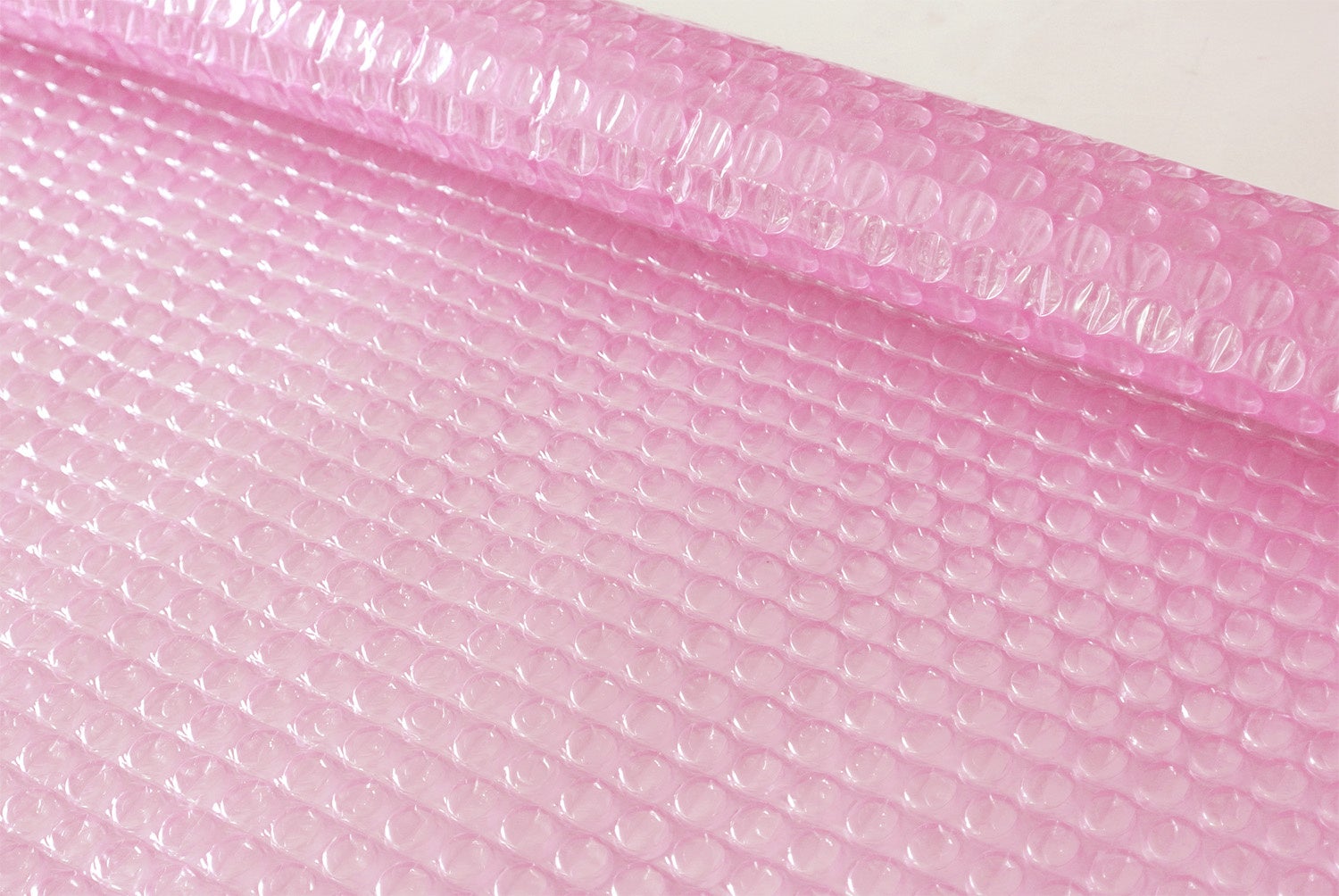
RIKEN VITAMIN and Puchipuchi co-develop masterbatch made from recycled raw materials
The masterbatch, which uses recycled raw materials, has been used in some Puchipuchi bubble cushioning products since April 2026.
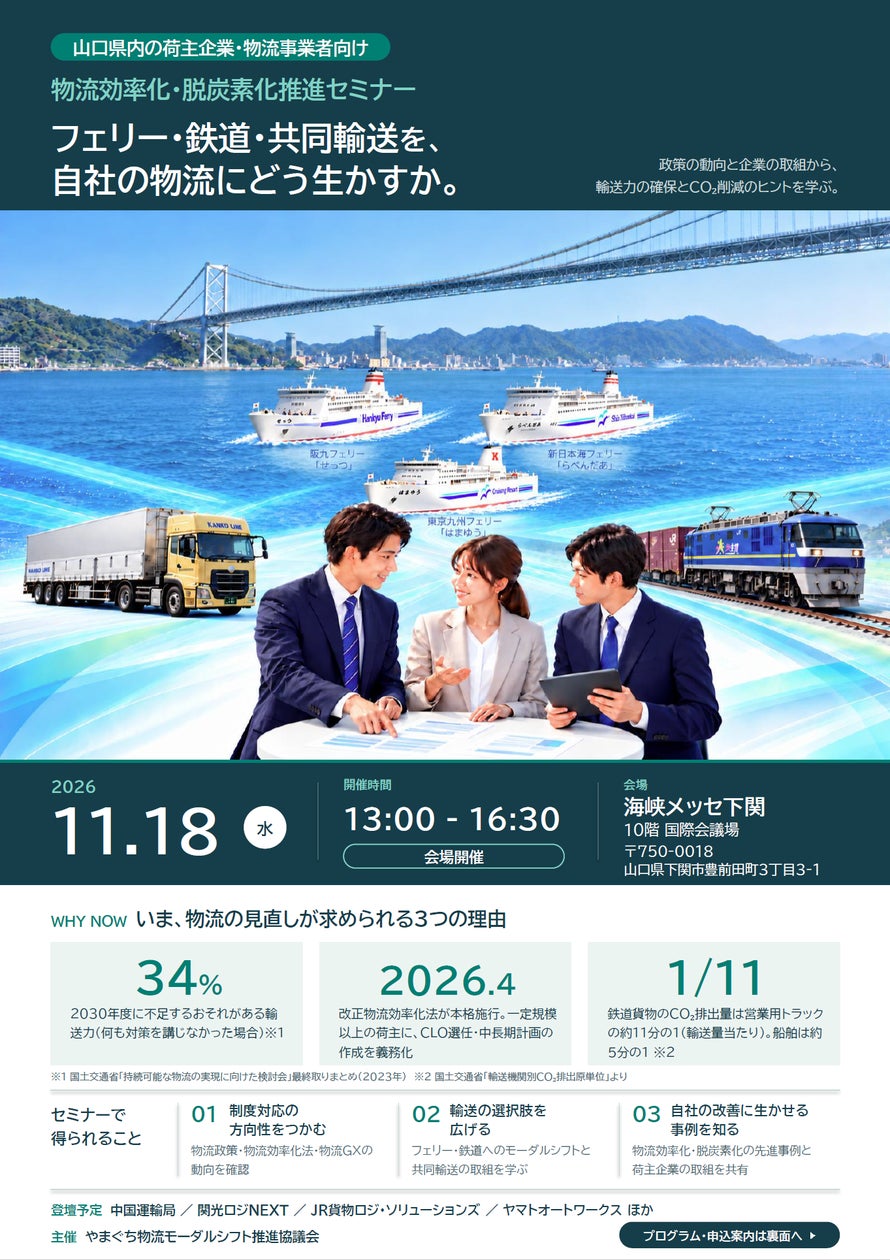
Yamaguchi seminar on logistics efficiency and decarbonization set for Nov. 18 in Shimonoseki
The seminar, following full enforcement of the revised Logistics Efficiency Act, covers modal shift and joint transport.
Socotec gives reasonable assurance for CFP of Asahi Kasei's Korean unit's acrylonitrile
Socotec has provided reasonable-level assurance for the fiscal 2025 product CFP of acrylonitrile made by Tongsuh Petrochemical.
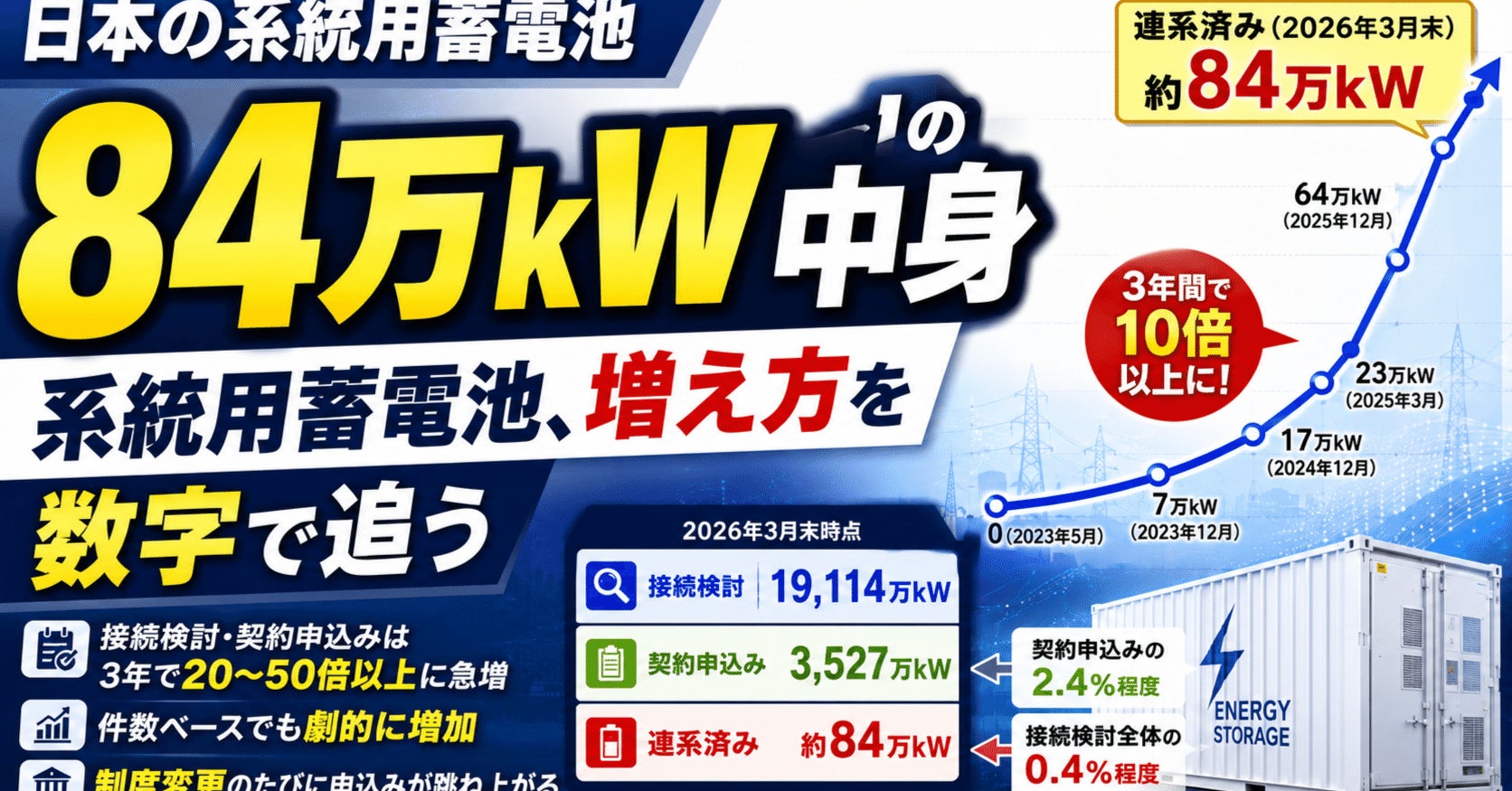
Grid battery capacity up more than tenfold in three years, webinar to outline adoption trends
Connected capacity reached about 840,000 kW at the end of March 2026, driven by rule changes and a surge in applications.