Thai Finance Minister Meets JBIC Governor on Japanese Technology and Funding for Energy Savings
Thailand's finance minister met the governor of the Japan Bank for International Cooperation (JBIC) to discuss accelerating energy efficiency and decarbonization in Thailand using Japanese technology and funding.

Thailand's finance minister met with the governor of the Japan Bank for International Cooperation (JBIC) and discussed accelerating energy conservation and decarbonization in Thailand by using Japanese technology and funding.
JBIC is a Japanese policy-based financial institution that provides loans and equity investments for overseas projects. It supports Japanese companies' overseas expansion and helps address social challenges in partner countries through financing. The main theme of the talks was improving efficiency and decarbonizing Thailand's energy sector.
Energy conservation refers to efforts to deliver the same production or living services using less energy. Typical examples include upgrading factory equipment, insulating buildings and introducing highly efficient appliances. These measures both curb electricity demand and reduce emissions.
Decarbonization means reducing carbon dioxide emissions from fossil fuels and bringing emissions close to net zero. In emerging economies, energy demand rises with economic growth, so pursuing efficiency and low-carbon measures at the same time tends to be a challenge.
Japan has many technologies in energy conservation and renewable energy and has worked with countries across Asia. Linking Japanese technology and funding in this meeting means Thailand could have more options for introducing equipment and transferring technology.
Introducing new technology and equipment involves many challenges, including raising funds, training local workers and maintaining systems after operation begins. Beyond combining funding and technology, whether systems can be built that remain in long-term use locally will be important.
Attention will now turn to the specific cooperation projects and target sectors presented in the talks. Which projects will receive funding and what level of energy savings or emission reductions they can achieve are expected to become clear in future announcements.
Cooperation in finance and technology serves not only individual projects but also deepens bilateral economic ties. Thailand's progress on decarbonization could also influence efforts in neighboring countries.
BLUE NOVA Hydrogen Journal view
If cooperation between Thailand and Japan takes concrete shape in the energy sector, it could influence how Asia approaches decarbonization. Energy conservation is positioned not only as a way to reduce emissions but also as a means of balancing economic growth with restrained electricity demand. Whether funding from financial institutions and technology from Japanese companies can produce real results on the ground in emerging economies will be the test. Going forward, it will be necessary to confirm how the projects discussed take shape and whether their effects are quantified.
Source: バンコク週報
This article was written by the editors based on the cited report and translated from Japanese. AI is used to assist in writing and translation.
More news

RIKEN VITAMIN and Puchipuchi co-develop masterbatch made from recycled raw materials
The masterbatch, which uses recycled raw materials, has been used in some Puchipuchi bubble cushioning products since April 2026.

Yamaguchi seminar on logistics efficiency and decarbonization set for Nov. 18 in Shimonoseki
The seminar, following full enforcement of the revised Logistics Efficiency Act, covers modal shift and joint transport.

Socotec gives reasonable assurance for CFP of Asahi Kasei's Korean unit's acrylonitrile
Socotec has provided reasonable-level assurance for the fiscal 2025 product CFP of acrylonitrile made by Tongsuh Petrochemical.
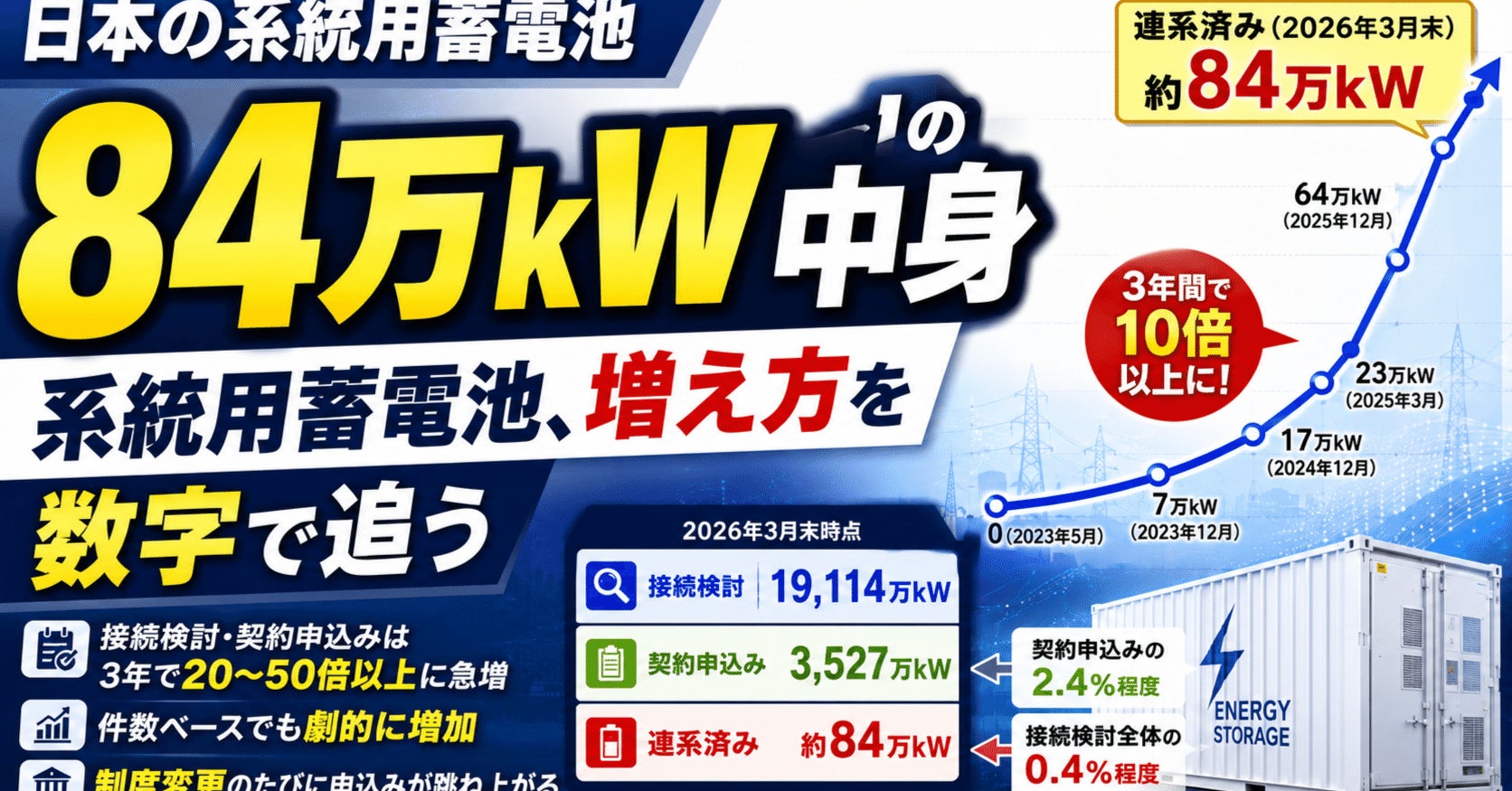
Grid battery capacity up more than tenfold in three years, webinar to outline adoption trends
Connected capacity reached about 840,000 kW at the end of March 2026, driven by rule changes and a surge in applications.