Citizens Tour Mikasa Demonstration Site for Coal-Derived Hydrogen, with 50 Residents Attending
Fifty residents of Mikasa, Hokkaido, toured a hydrogen production demonstration facility that uses coal as a feedstock.
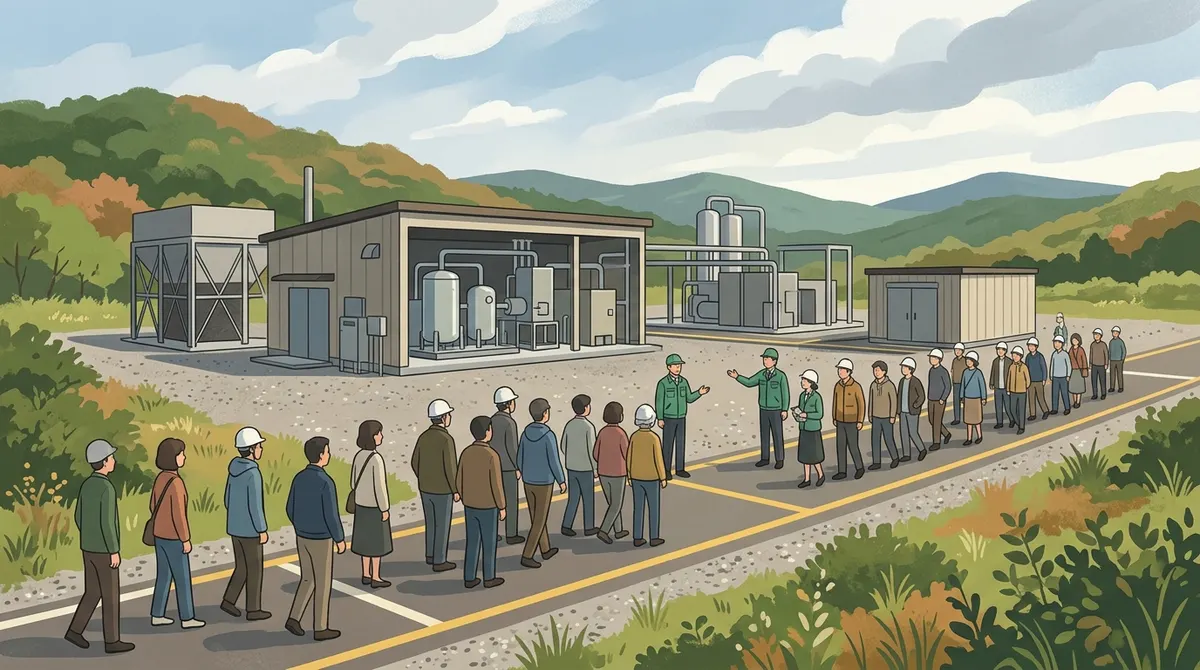
A tour of a demonstration project for hydrogen production from coal was held in Mikasa, Hokkaido, Japan, and 50 residents took part. Participants walked through the demonstration facility in person and checked the equipment used to produce hydrogen and conditions on site. The event gave local residents a chance to see firsthand how a new energy technology works.
The tour covered a facility where a demonstration project is underway. Participants were able to see with their own eyes what equipment is used in the process of extracting hydrogen from coal. Letting the public see a technology still at the experimental stage also helps show how far research has progressed.
Mikasa once prospered on the coal industry. After its coal mines closed, finding industries to replace coal has been a challenge for the city. The effort to produce hydrogen from coal, a local resource, fits into that ongoing search.
The basic process for producing hydrogen from coal involves treating coal under high temperature and high pressure to obtain synthesis gas containing hydrogen and carbon monoxide, among other components. Hydrogen is then separated from this gas. Coal emits more carbon per unit of energy than natural gas, so how the CO2 generated during production is handled will determine how the technology is assessed.
For hydrogen derived from coal to be considered low-carbon, the CO2 released during production must be captured and stored, such as underground. Depending on whether capture takes place, the environmental standing of the same hydrogen can change greatly. Whether using hydrogen helps decarbonization depends on how much emissions can be reduced at the production stage.
Data from the demonstration will be key to watch. Information on production volume, energy efficiency and the status of CO2 capture will help judge the outlook for costs and mass production. Where the hydrogen would be used and to which destinations it would be supplied are also important questions in deciding the direction of commercialization.
The tour also matters for building public understanding and local consensus. Introducing new technology in places close to daily life can be a starting point for a community to consider its future industries. Whether there will be ongoing opportunities to share demonstration results with the community is also worth watching.
BLUE NOVA Hydrogen Journal view
This tour matters because an effort to use coal, a local resource, for hydrogen production was opened to the public while still at the demonstration stage. The environmental impact of hydrogen varies widely by production method, so for coal-derived hydrogen, CO2 capture and storage is central to its assessment. Data on production efficiency and CO2 handling from the demonstration will help determine whether the technology can link to both local industry and decarbonization. Citizens having the chance to learn about the technology firsthand is also important for considering how society will receive it in the future.
Source: 47NEWS
This article was written by the editors based on the cited report and translated from Japanese. AI is used to assist in writing and translation.
More news

RIKEN VITAMIN and Puchipuchi co-develop masterbatch made from recycled raw materials
The masterbatch, which uses recycled raw materials, has been used in some Puchipuchi bubble cushioning products since April 2026.
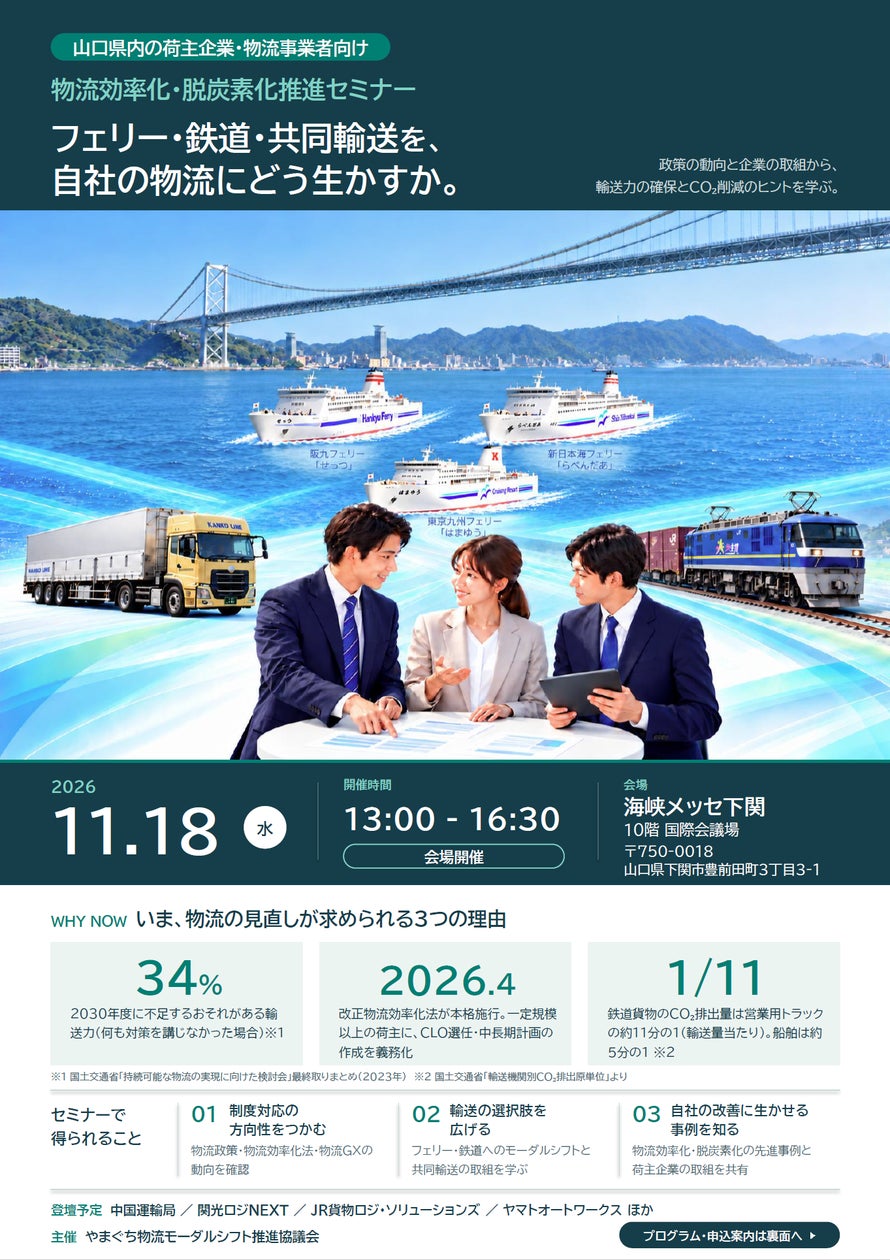
Yamaguchi seminar on logistics efficiency and decarbonization set for Nov. 18 in Shimonoseki
The seminar, following full enforcement of the revised Logistics Efficiency Act, covers modal shift and joint transport.

Socotec gives reasonable assurance for CFP of Asahi Kasei's Korean unit's acrylonitrile
Socotec has provided reasonable-level assurance for the fiscal 2025 product CFP of acrylonitrile made by Tongsuh Petrochemical.
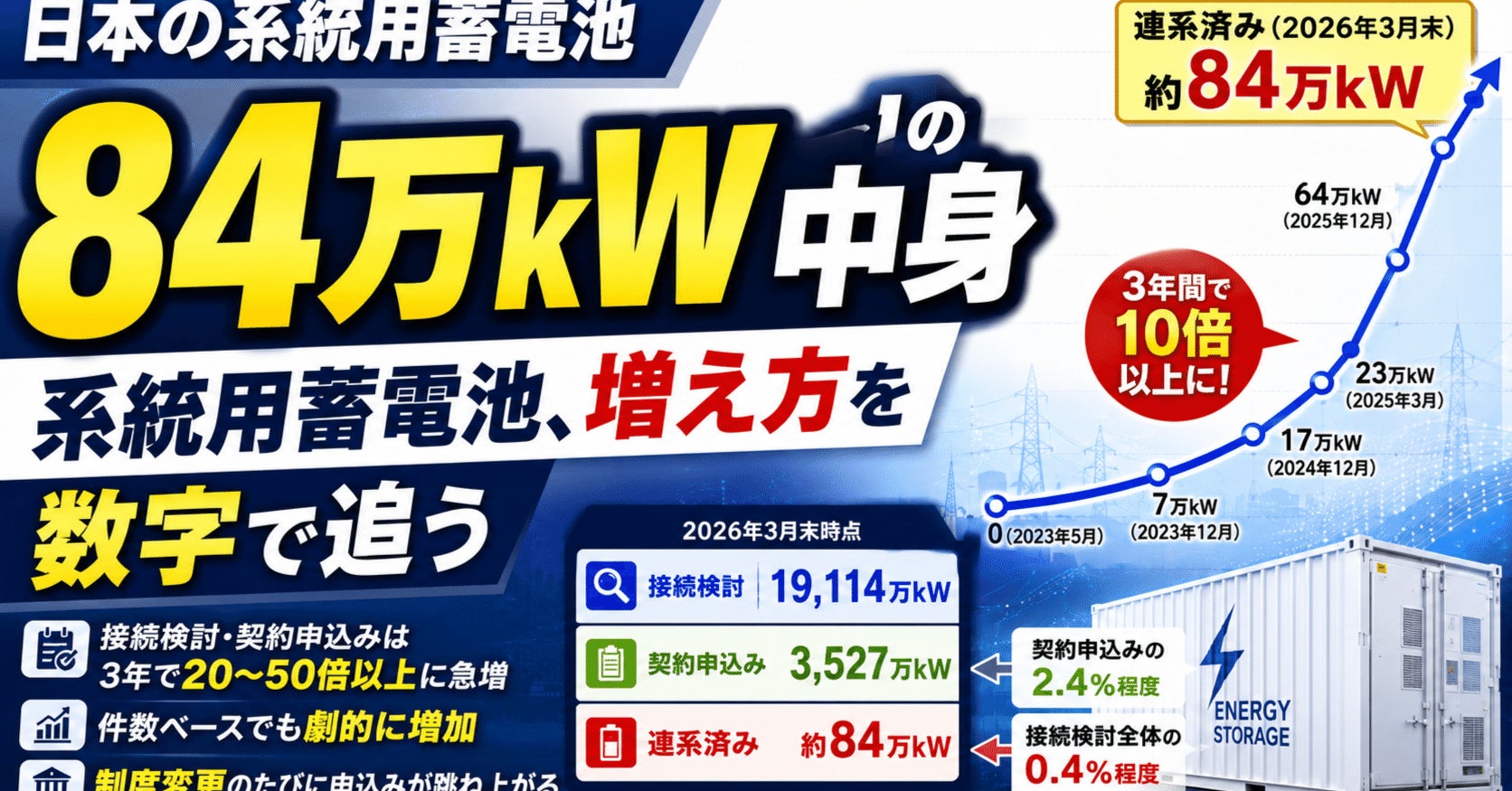
Grid battery capacity up more than tenfold in three years, webinar to outline adoption trends
Connected capacity reached about 840,000 kW at the end of March 2026, driven by rule changes and a surge in applications.