Sumitomo Corp. joins 500-MW solar and wind project in India paired with batteries
The company will take part in a project combining solar and wind power with 200 MWh of battery storage to aim for a 24-hour electricity supply.

Sumitomo Corp. said it has joined a 500-megawatt power generation project in India that combines solar and wind power. The project will pair the plants with 200 megawatt-hours of battery storage to curb fluctuations in output and aim for a 24-hour power supply.
Solar and wind power are renewable energy sources that emit little carbon dioxide, but their output varies with the weather and time of day. Because generation tends to concentrate during the day and fall at night, a balancing mechanism is needed to supply electricity stably.
Batteries store surplus electricity and release it during periods of high demand. In this project, combining batteries with the generation assets is designed to shift the timing of power supply.
India's electricity demand continues to grow, while the country relies heavily on coal-fired power, making the expansion of renewable energy a key policy priority. Large-scale combinations of wind and solar are seen as one way to meet this demand.
Large-scale power projects often use long-term power purchase agreements to stabilize sales revenue. Combining renewable energy with batteries is an approach that is spreading across countries.
Attention will focus on whether facilities including batteries operate as planned and how far they can deliver power around the clock. The case is likely to serve as a reference for considering similar large-scale projects.
BLUE NOVA Hydrogen Journal view
Because renewable output varies with the weather, pairing with batteries is key to wider adoption. The project stands out for combining solar and wind to reduce the timing imbalance of generation and using batteries to adjust supply hours. Adopting such a model in a market like India, where electricity demand is growing fast, widens the options for replacing coal-fired power. Still, supply stability will be judged by operating track record, so performance after startup will matter. Trading houses taking part in projects are seen as playing a role linking power producers and electricity buyers.
Source: みんなの広報宣伝部
This article was written by the editors based on the cited report and translated from Japanese. AI is used to assist in writing and translation.
More news

RIKEN VITAMIN and Puchipuchi co-develop masterbatch made from recycled raw materials
The masterbatch, which uses recycled raw materials, has been used in some Puchipuchi bubble cushioning products since April 2026.
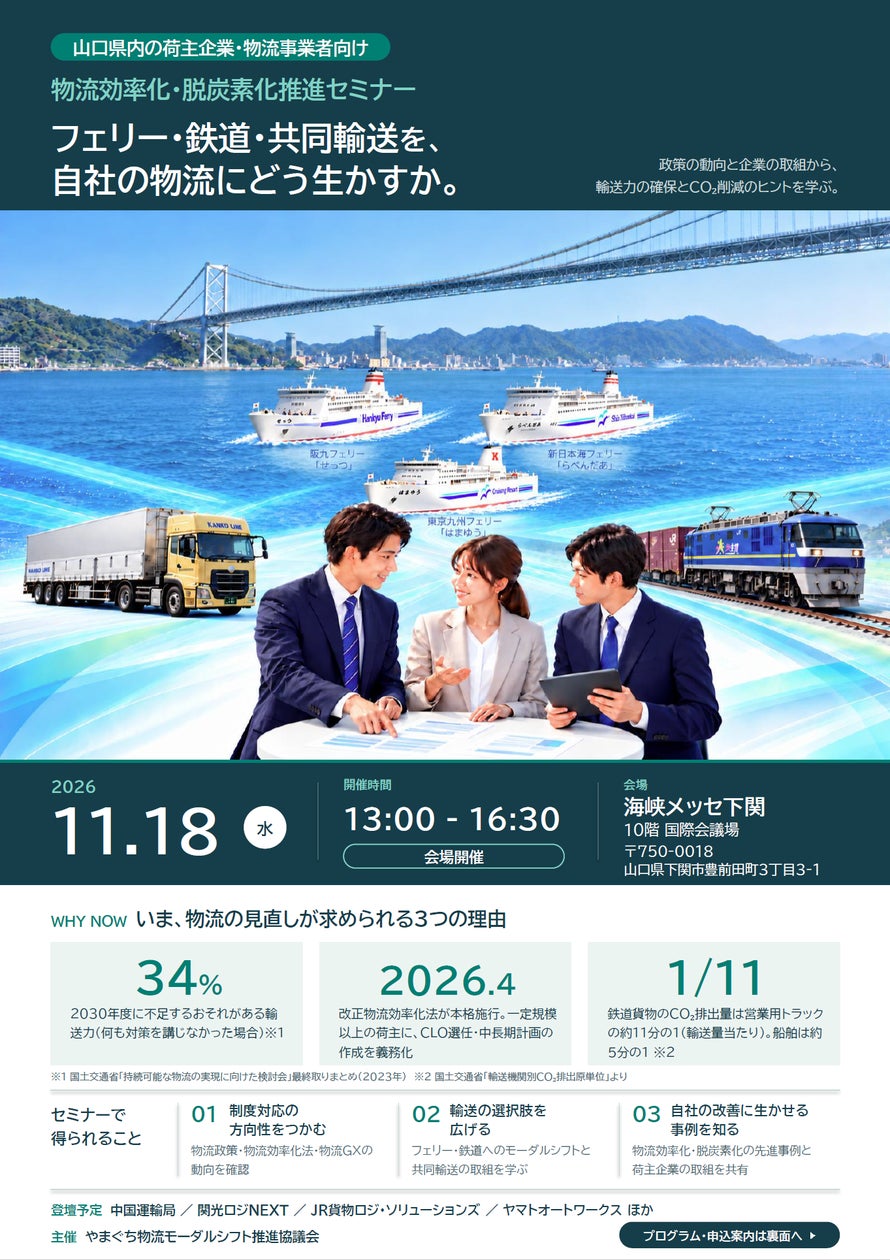
Yamaguchi seminar on logistics efficiency and decarbonization set for Nov. 18 in Shimonoseki
The seminar, following full enforcement of the revised Logistics Efficiency Act, covers modal shift and joint transport.

Socotec gives reasonable assurance for CFP of Asahi Kasei's Korean unit's acrylonitrile
Socotec has provided reasonable-level assurance for the fiscal 2025 product CFP of acrylonitrile made by Tongsuh Petrochemical.
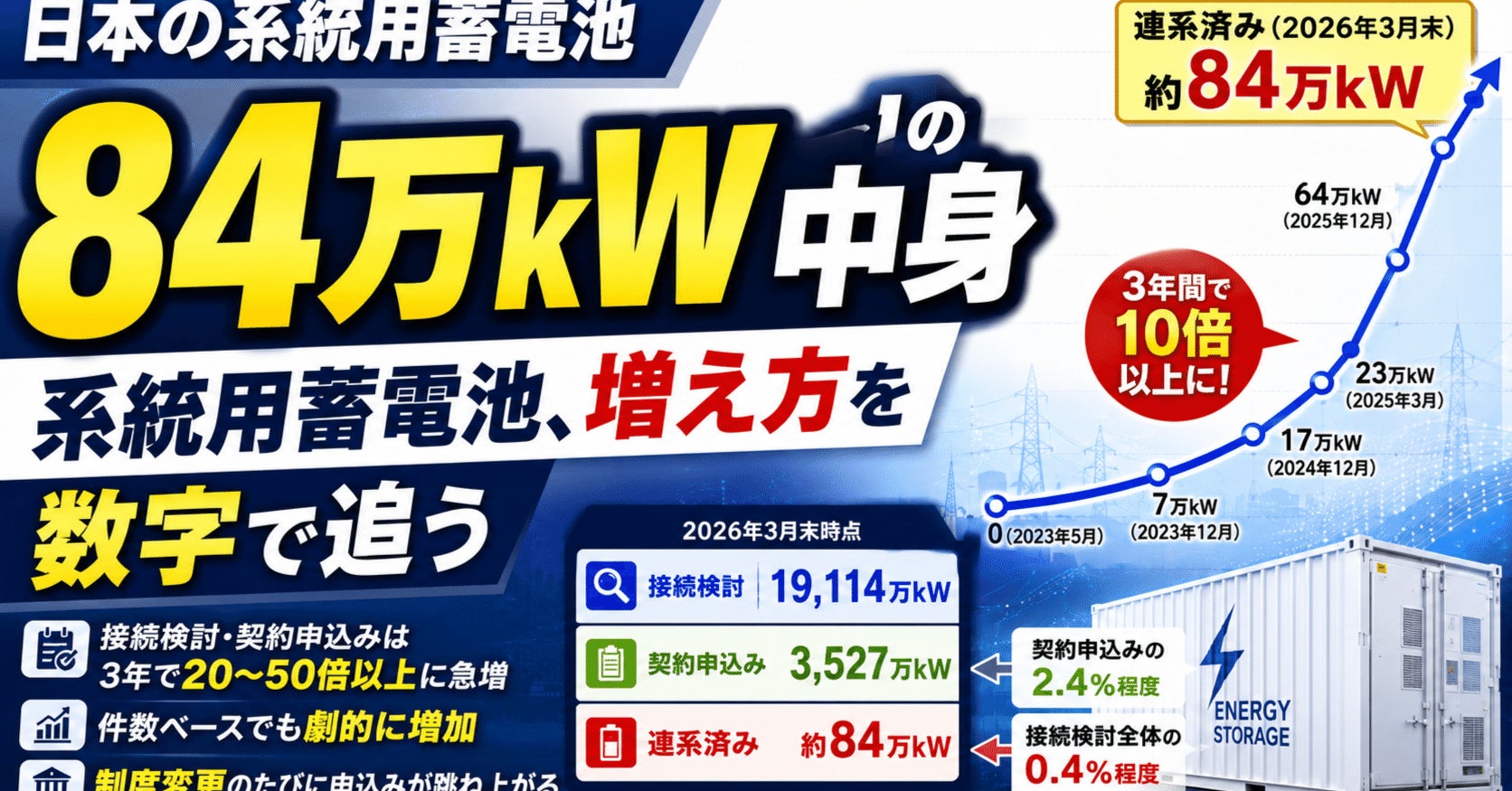
Grid battery capacity up more than tenfold in three years, webinar to outline adoption trends
Connected capacity reached about 840,000 kW at the end of March 2026, driven by rule changes and a surge in applications.