India Could Export Solar Power as Green Hydrogen, Terra Invest Executive Says
Krishan Rattan of Terra Invest said green hydrogen could allow India to export energy derived from solar power.

Krishan Rattan of Terra Invest said green hydrogen could enable India to 'export solar power.' The idea is for countries rich in renewable energy to deliver the value of their electricity overseas in the form of hydrogen.
Green hydrogen is produced by splitting water through electrolysis using electricity from solar or wind power, and it emits no CO2 during production. The main point of his remarks is that surplus renewable power that cannot be consumed domestically can be converted into hydrogen, a form that can be transported, and shipped abroad.
India gets abundant sunshine and has rapidly expanded its solar power capacity. Generation is high during the day, but electricity must be used domestically, so mismatches between demand and generation and surplus power have become challenges. Hydrogen is a means of storing that surplus and could also become an export product.
Electricity itself is limited in how far it can be sent over long distances, but hydrogen becomes easier to transport when it is compressed, liquefied, or converted into chemicals such as ammonia or methanol. Ammonia contains a high proportion of hydrogen and is considered easy to adapt to existing liquefied gas transport systems.
The challenge is production cost. Scaling up electrolyzers, securing stable procurement of renewable electricity, and maintaining high utilization rates of electrolyzers will determine prices. Investment across the entire supply chain will also be needed, including receiving facilities at ports and the development of transport ships.
In international hydrogen trade, long-term supply contracts between importing and exporting countries are generally being considered. For exporting countries, securing export destinations is a prerequisite for investment decisions.
The points to watch next are how these remarks take shape as business plans and policy moves. The scale of demonstration projects, the selection of export destinations, and prospects for lowering production costs will be the factors for judging whether the concept is feasible.
Hydrogen derived from renewable energy is expected to be used to decarbonize a wide range of sectors, including steelmaking, chemicals, and fuel cell vehicles. It has the potential to change energy procurement structures for both exporting and importing countries.
BLUE NOVA Hydrogen Journal view
The concept of exporting electricity from sun-rich regions in the form of hydrogen or ammonia offers a new option for inter-regional use of renewable energy. However, realization will be difficult without scaling up electrolyzers, transport infrastructure, and cost reductions. The remarks indicate the direction of the concept, and whether concrete business plans and policy backing emerge will be the key factor going forward.
Source: Ahmedabad Mirror
This article was written by the editors based on the cited report and translated from Japanese. AI is used to assist in writing and translation.
More news

RIKEN VITAMIN and Puchipuchi co-develop masterbatch made from recycled raw materials
The masterbatch, which uses recycled raw materials, has been used in some Puchipuchi bubble cushioning products since April 2026.
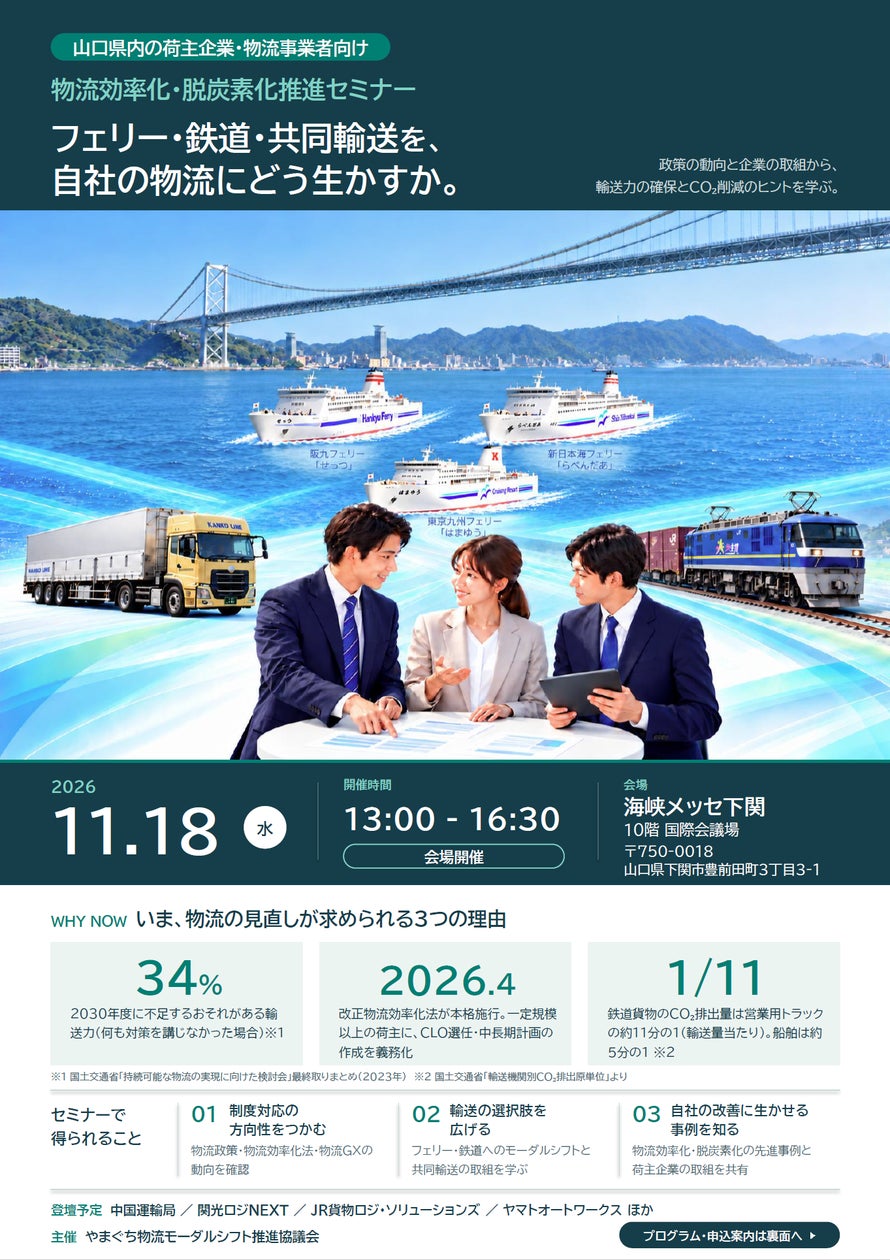
Yamaguchi seminar on logistics efficiency and decarbonization set for Nov. 18 in Shimonoseki
The seminar, following full enforcement of the revised Logistics Efficiency Act, covers modal shift and joint transport.
Socotec gives reasonable assurance for CFP of Asahi Kasei's Korean unit's acrylonitrile
Socotec has provided reasonable-level assurance for the fiscal 2025 product CFP of acrylonitrile made by Tongsuh Petrochemical.
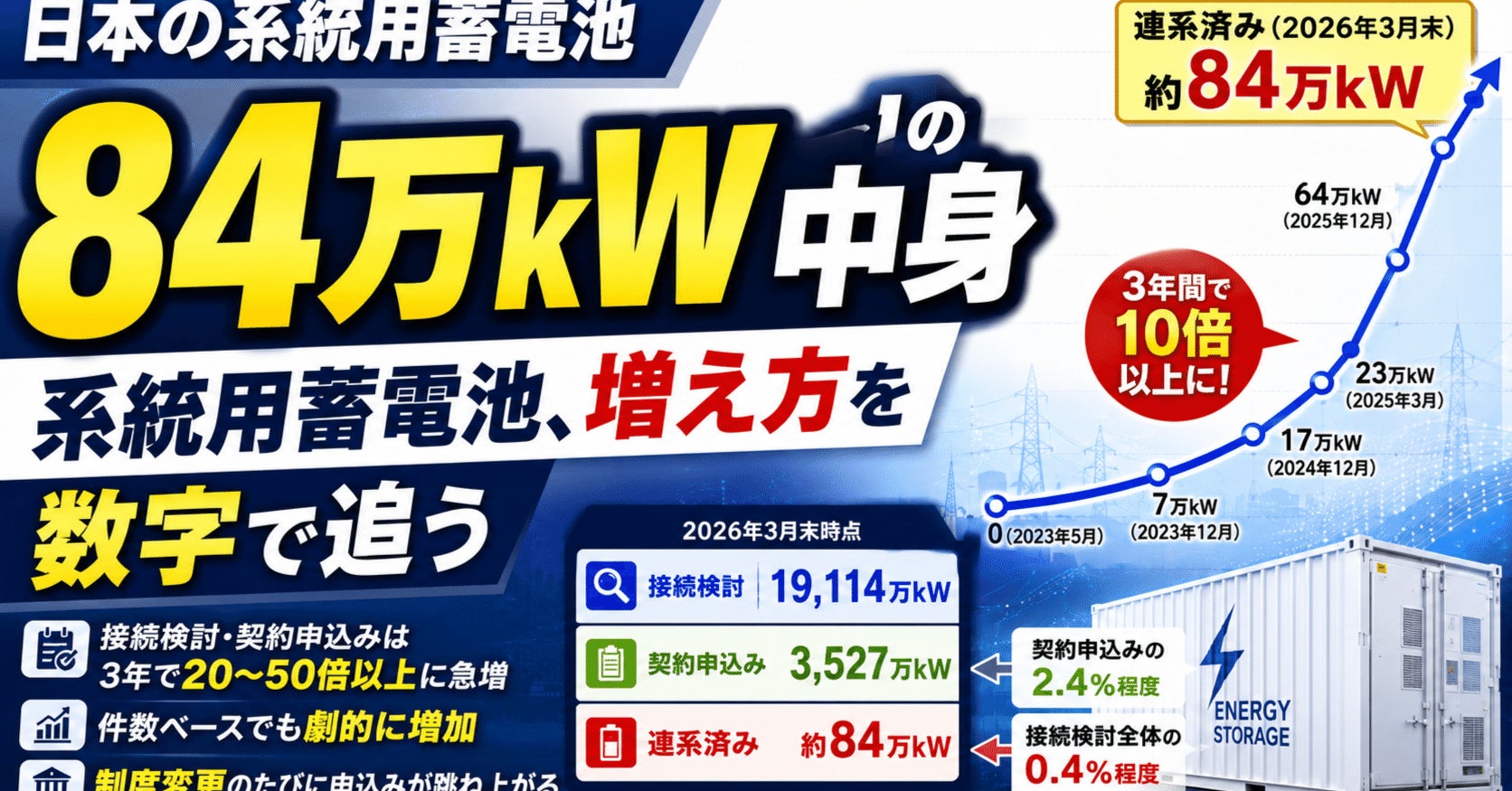
Grid battery capacity up more than tenfold in three years, webinar to outline adoption trends
Connected capacity reached about 840,000 kW at the end of March 2026, driven by rule changes and a surge in applications.