Alloy Halves Precious Metal Use for Green Hydrogen Production
A fine alloy that halves the amount of precious metal needed for electrolysis stays stable at 140°F (about 60°C).
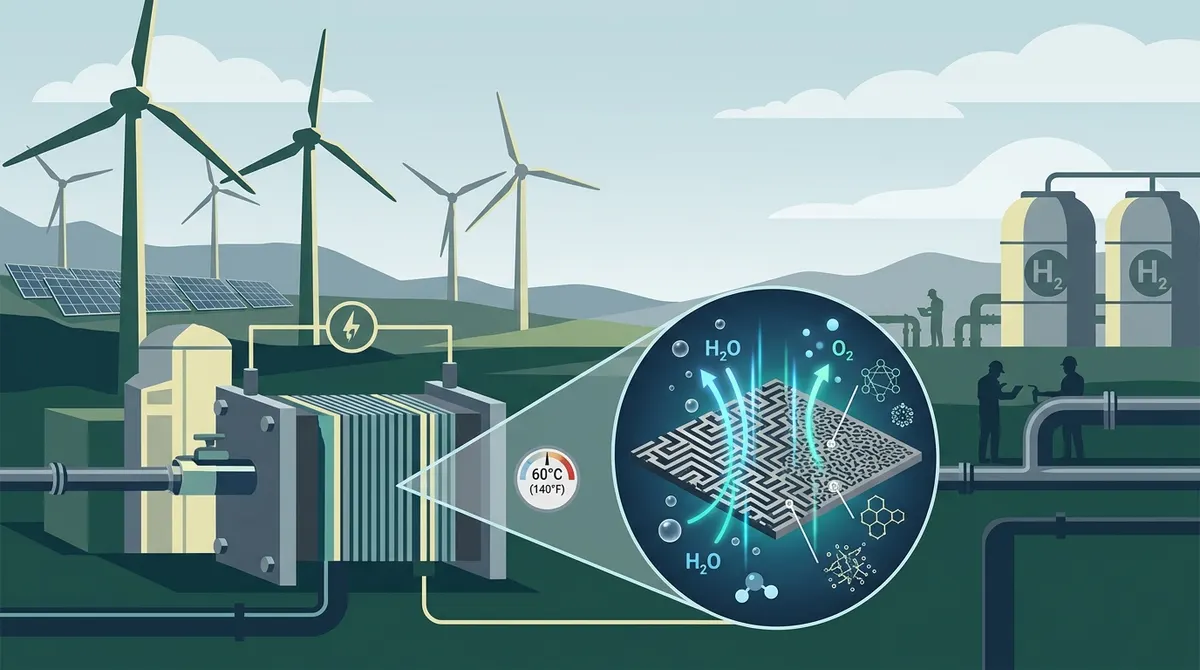
A fine alloy that halves the use of precious metals and operates stably even at 140°F (about 60°C) has been developed. The result is positioned as a step toward reducing resource constraints and costs for electrocatalysts used in green hydrogen production.
Green hydrogen is produced by electrolyzing water using electricity generated from renewable sources such as solar and wind. Because it emits no CO2 during production, it is seen as a pillar of decarbonization.
Water electrolysis methods include alkaline, proton exchange membrane (PEM) and solid oxide systems. PEM systems respond quickly and can easily follow fluctuations in renewable power, but they require catalysts that withstand acidic conditions, and platinum-group metals such as iridium are often used.
Precious metals are produced in limited regions and are expensive. As a result, the cost of manufacturing electrolyzers has risen, becoming a constraint on large-scale hydrogen deployment. Reducing the amount of precious metal used in electrodes is a technical challenge that lowers both equipment prices and resource risks.
Electrolyzers generate heat during operation, and temperature conditions affect the rate at which catalysts degrade. The claim that the new alloy remains stable at 140°F (about 60°C) bears on durability and operating availability. Because electrolyzer operating temperatures are generally designed in the range of several tens of degrees Celsius, stable operation in this range has practical significance.
When laboratory results are moved to full-scale equipment, degradation over long operation, reproducibility in manufacturing and mass-production costs are verified in turn. How far the technology has advanced will be key to judging when commercialization can occur.
Hydrogen has a wide range of uses, including as a reducing agent in steelmaking, a chemical feedstock, and a fuel for fuel cell vehicles and power generation. If dependence on precious metals can be reduced at the production stage, more options open for decarbonizing these sectors.
Attention will focus on how far similar catalyst development extends to other electrolysis methods and large-scale equipment. If progress is made in balancing cost and durability, it could lead to a larger supply of renewable-based hydrogen.
BLUE NOVA Hydrogen Journal view
One factor determining the production cost of green hydrogen is the precious metal used in electrolysis. The alloy is said to halve that usage while maintaining stability at 140°F (about 60°C), making it a technology that addresses both resource constraints and equipment costs. However, whether laboratory performance can be reproduced in long-term operation and mass production must be confirmed through future testing. Efficiency gains at the production stage are essential for hydrogen adoption, and improvements in materials like this underpin that effort.
Source: Interesting Engineering
This article was written by the editors based on the cited report and translated from Japanese. AI is used to assist in writing and translation.
More news

RIKEN VITAMIN and Puchipuchi co-develop masterbatch made from recycled raw materials
The masterbatch, which uses recycled raw materials, has been used in some Puchipuchi bubble cushioning products since April 2026.

Yamaguchi seminar on logistics efficiency and decarbonization set for Nov. 18 in Shimonoseki
The seminar, following full enforcement of the revised Logistics Efficiency Act, covers modal shift and joint transport.

Socotec gives reasonable assurance for CFP of Asahi Kasei's Korean unit's acrylonitrile
Socotec has provided reasonable-level assurance for the fiscal 2025 product CFP of acrylonitrile made by Tongsuh Petrochemical.
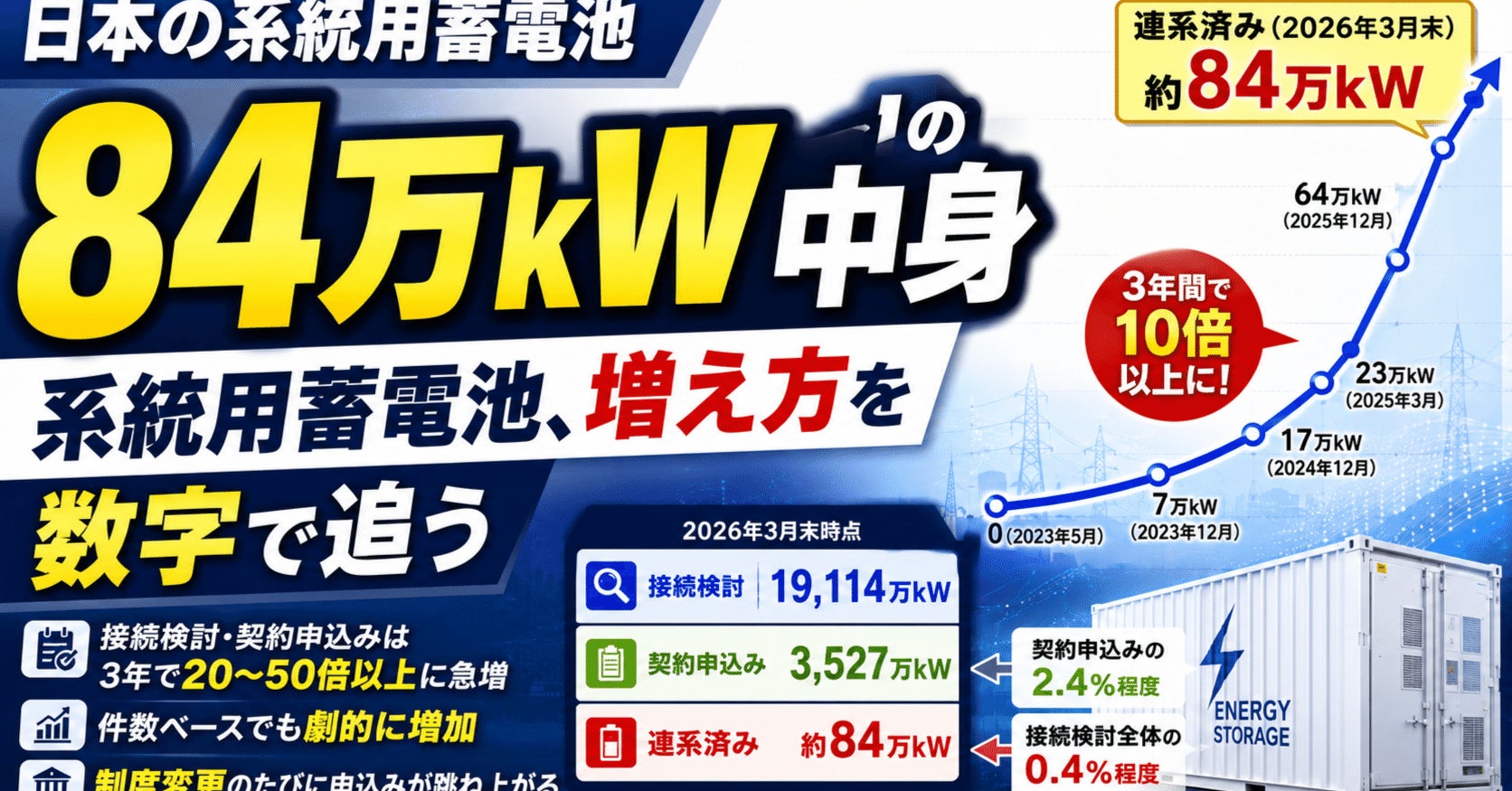
Grid battery capacity up more than tenfold in three years, webinar to outline adoption trends
Connected capacity reached about 840,000 kW at the end of March 2026, driven by rule changes and a surge in applications.