Mitsubishi Kakoki Kaisha, Tsukishima HD set to integrate management, collaborating on water and decarbonization
The two companies, both active in water treatment and decarbonization, are reportedly moving to integrate their management, drawing attention to the compatibility of their businesses.

Mitsubishi Kakoki Kaisha and Tsukishima HD are reportedly set to integrate their management. Both companies operate in water treatment and decarbonization, and the compatibility of their businesses is drawing attention.
Mitsubishi Kakoki Kaisha makes chemical equipment and environmental machinery. Through its manufacture of facilities for water and wastewater treatment, the company has established a strong presence in the water sector.
Tsukishima HD, formerly Tsukishima Kikai, has been involved in building and operating water treatment facilities and environmental plants. The company has a track record in sewage, water supply and industrial wastewater.
In the water sector, securing water resources and properly treating wastewater are key challenges. Responding to aging facilities and improving energy efficiency are also required, and equipment renewal and upgrades are under way.
From the standpoint of decarbonization, water treatment includes processes that consume large amounts of electricity, making energy-efficient equipment and the recycling of sludge into resources important. Combining the technologies of the two companies is expected to make it easier to address these challenges.
The merger is seen as aimed at broadening the range of products and technologies and strengthening competitiveness in bidding for orders. After integration, the focus will be on streamlining overlapping businesses and reinforcing complementary areas.
Attention will turn to the specific form and timing of the integration and the business structure afterward. Whether the combined company can capture new demand in both water and decarbonization will be a measure of the merger's success.
BLUE NOVA Hydrogen Journal view
Water and decarbonization are both fields where demand for social infrastructure continues. While water treatment facilities are increasingly being renewed due to aging, demand for energy efficiency is also rising, making the presence of technologically strong companies important. The management integration of the two companies signals an effort to combine water treatment and environmental plant technologies and build a system to supply decarbonization-ready equipment. It will be necessary to watch how the business is reorganized after the integration and in which areas new products emerge.
Source: ニュースイッチ by 日刊工業新聞社
This article was written by the editors based on the cited report and translated from Japanese. AI is used to assist in writing and translation.
More news
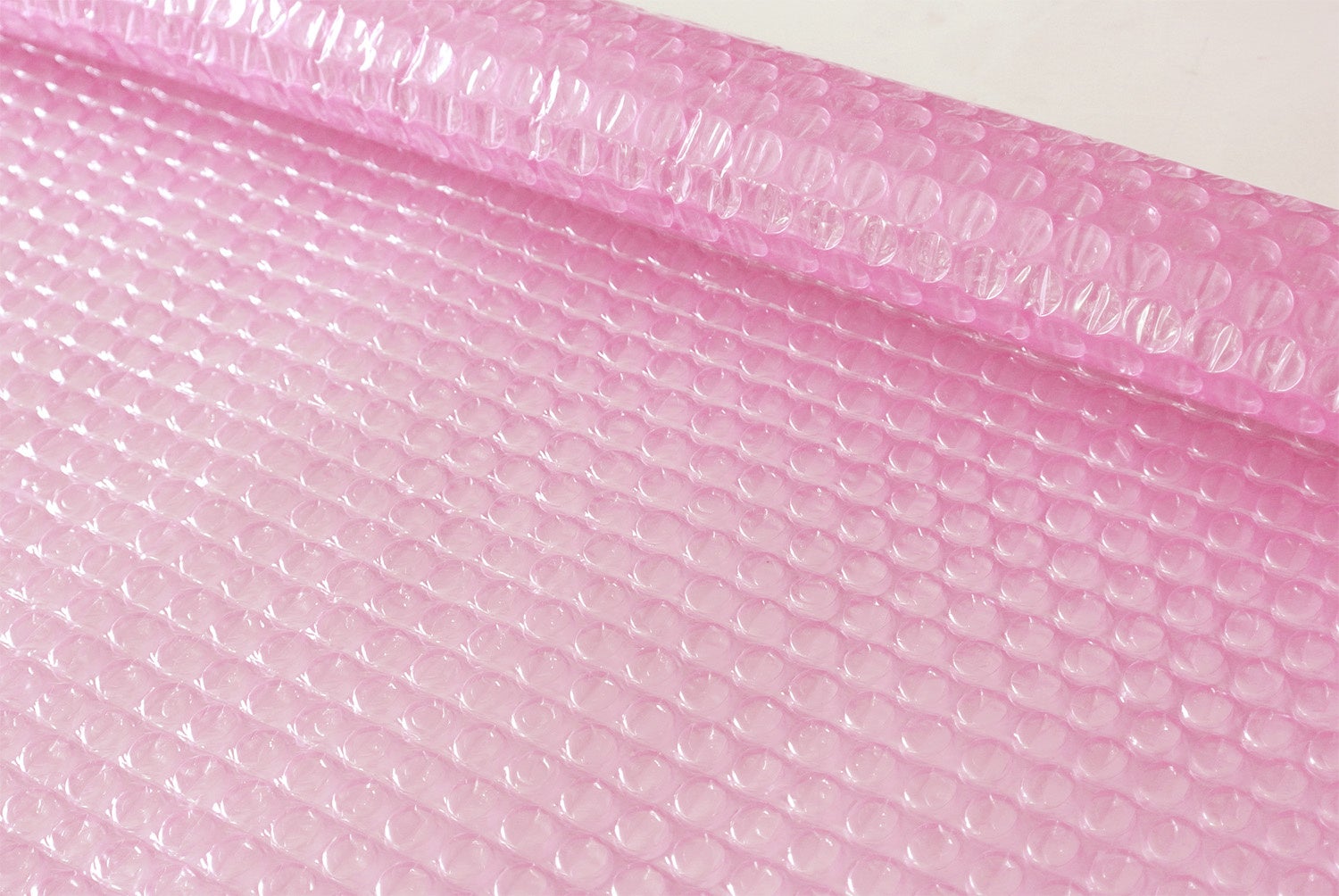
RIKEN VITAMIN and Puchipuchi co-develop masterbatch made from recycled raw materials
The masterbatch, which uses recycled raw materials, has been used in some Puchipuchi bubble cushioning products since April 2026.
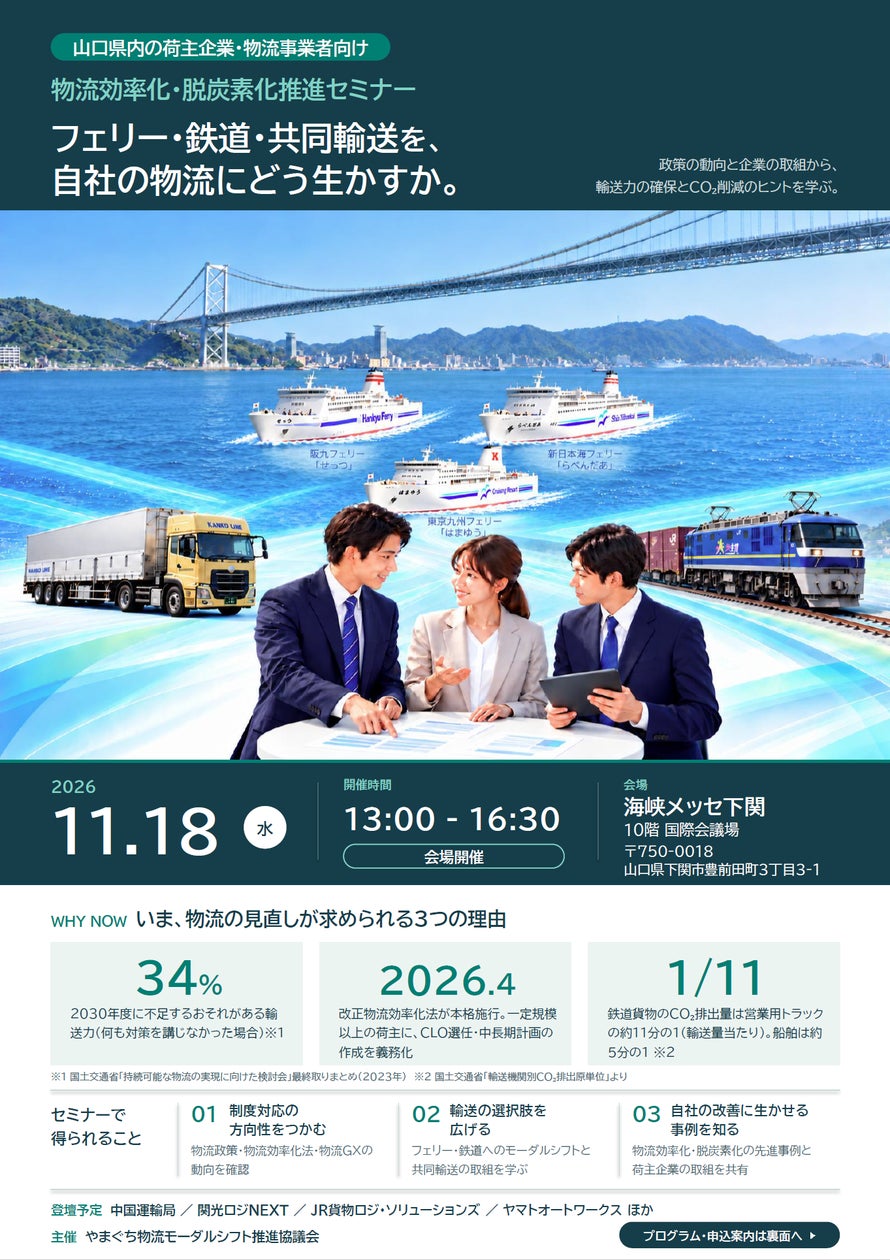
Yamaguchi seminar on logistics efficiency and decarbonization set for Nov. 18 in Shimonoseki
The seminar, following full enforcement of the revised Logistics Efficiency Act, covers modal shift and joint transport.
Socotec gives reasonable assurance for CFP of Asahi Kasei's Korean unit's acrylonitrile
Socotec has provided reasonable-level assurance for the fiscal 2025 product CFP of acrylonitrile made by Tongsuh Petrochemical.
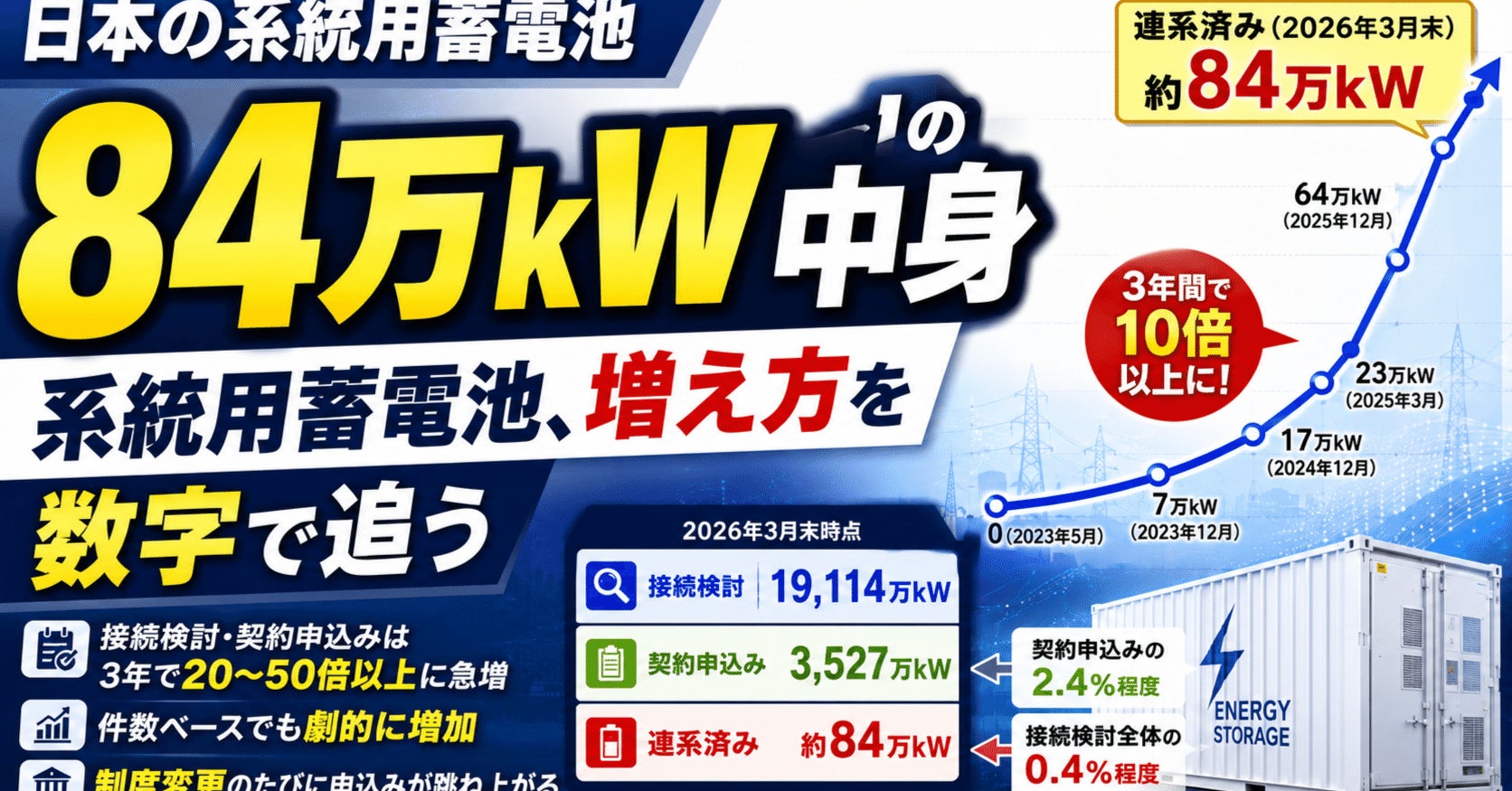
Grid battery capacity up more than tenfold in three years, webinar to outline adoption trends
Connected capacity reached about 840,000 kW at the end of March 2026, driven by rule changes and a surge in applications.