Tes Holdings hosts institutional investor tour at Shizuoka Kikugawa battery storage plant
The roughly 30-megawatt grid-scale facility, developed and constructed by the group, was opened to investors and analysts on October 14, 2026, to explain its role and operations.
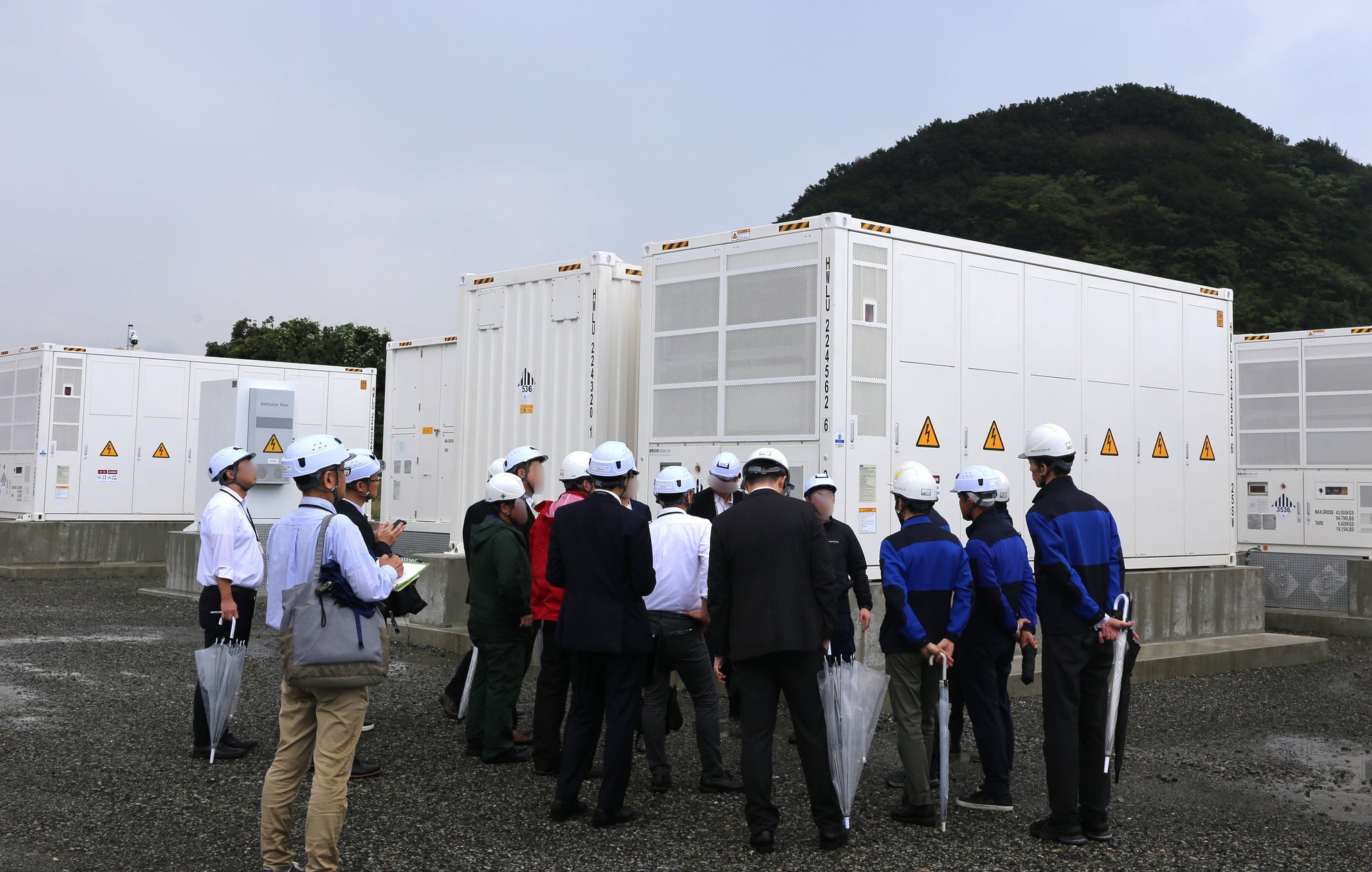
Tes Holdings Co., Ltd., headquartered in Yodogawa Ward, Osaka, said on October 14, 2026, that it had held a site tour for institutional investors and analysts at the Shizuoka Kikugawa Battery Storage Plant in Kikugawa, Shizuoka Prefecture. The group led the development and engineering, procurement and construction (EPC) of the plant. The facility has an output of about 30 megawatts.
Participants toured the battery storage equipment and the extra-high-voltage receiving and transforming facilities. The company aimed to deepen understanding of its business through questions and answers on site.
The purpose of the tour was to build understanding of its battery storage system business, which the company positions as one of its focus areas in its medium-term management plan, TX2030. The company said it will continue to actively conduct investor relations activities for stakeholders. The company announced the start of construction work on the plant on April 30, 2025.
A grid-scale battery storage plant is a large storage facility connected to the power transmission network to keep electricity demand and supply in balance. It absorbs output fluctuations from solar and wind power and shifts electricity to times of high demand. It is also used for frequency regulation on the grid and is regarded as foundational infrastructure for widespread use of renewable energy.
In Japan, the adoption of grid-scale battery storage is advancing as renewable energy capacity expands. Revenue mainly comes from trading in the electricity market and from supply-demand adjustment services, so how a storage plant is operated has a large effect on its earnings. This is why investors have reason to inspect the sites themselves.
Extra-high-voltage receiving and transforming equipment transforms and interrupts power between the transmission network and the storage plant, and is essential for connecting safely to the grid. In building large storage plants, the development of such electrical equipment can determine whether a project succeeds.
The tour was held after construction had started at the plant. Points to watch next are the plant's operating performance after it begins commercial operation and the progress of the business plan that Tes Holdings presents through its investor relations activities. The key question is how the equipment and operating explanations shown during the tour will translate into actual business results.
BLUE NOVA Hydrogen Journal view
Grid-scale storage plants are increasingly seen as facilities that absorb output swings from renewable energy and stabilize the balance of electricity supply and demand. The tour gave a company a chance to show investors a facility under construction and explain its business directly. When judging an investment in a storage plant, the question is not only the scale of the equipment but also how it earns revenue from which markets and how it is operated. The role of storing electricity and delivering it when needed is likely to grow in importance as a foundation supporting a decarbonized power mix. Letting investors see the plant in person can be read as an effort to increase business transparency.
Source: PR TIMES
This article was written by the editors based on the cited report and translated from Japanese. AI is used to assist in writing and translation.
More news
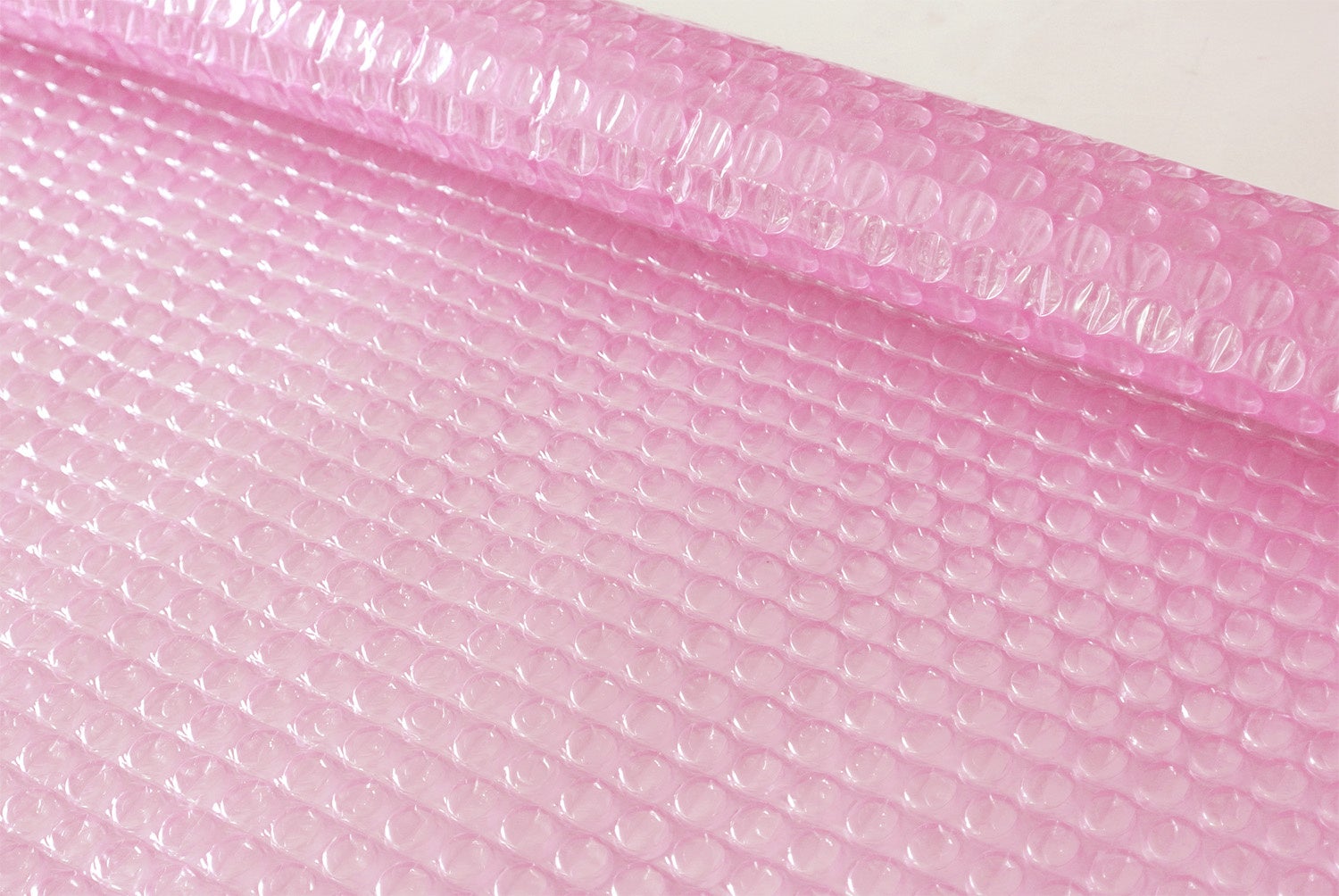
RIKEN VITAMIN and Puchipuchi co-develop masterbatch made from recycled raw materials
The masterbatch, which uses recycled raw materials, has been used in some Puchipuchi bubble cushioning products since April 2026.
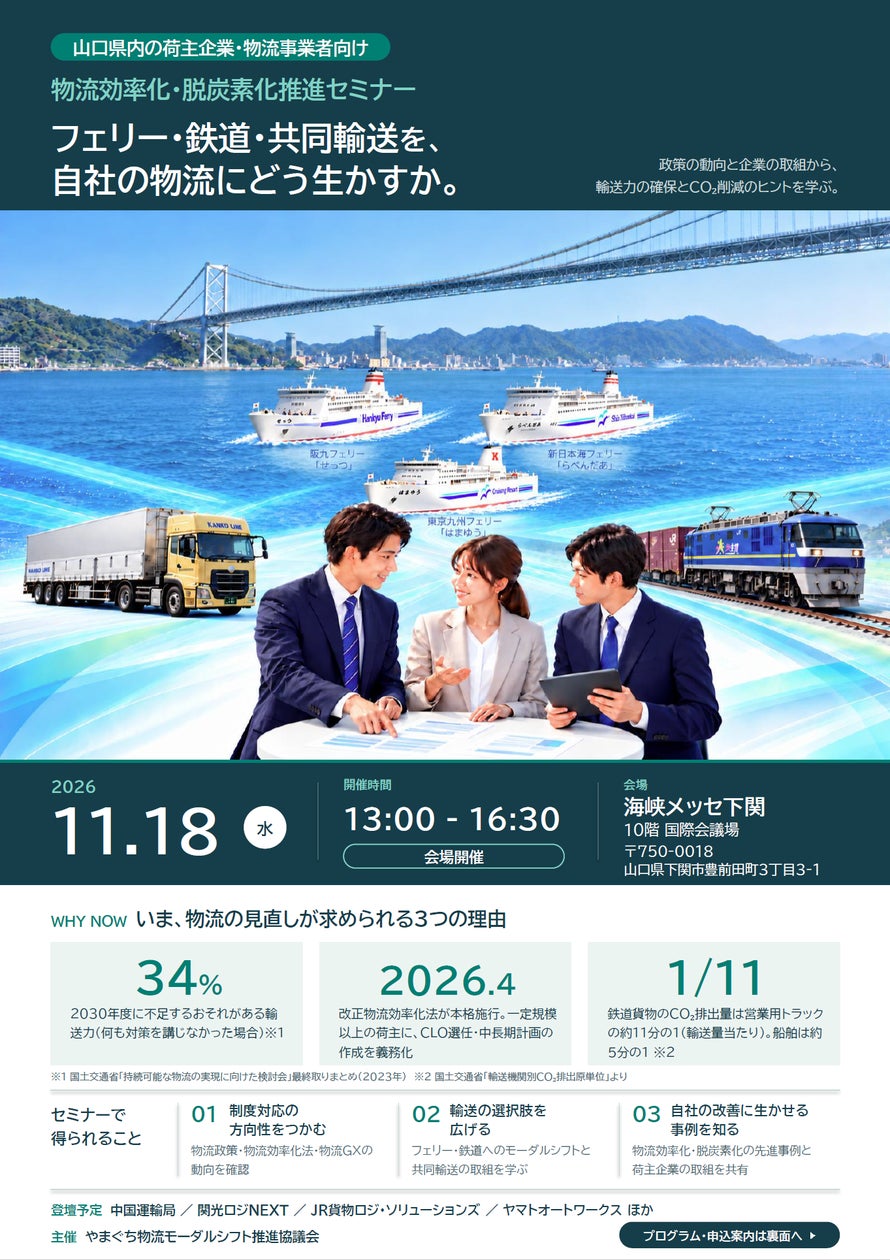
Yamaguchi seminar on logistics efficiency and decarbonization set for Nov. 18 in Shimonoseki
The seminar, following full enforcement of the revised Logistics Efficiency Act, covers modal shift and joint transport.

Socotec gives reasonable assurance for CFP of Asahi Kasei's Korean unit's acrylonitrile
Socotec has provided reasonable-level assurance for the fiscal 2025 product CFP of acrylonitrile made by Tongsuh Petrochemical.
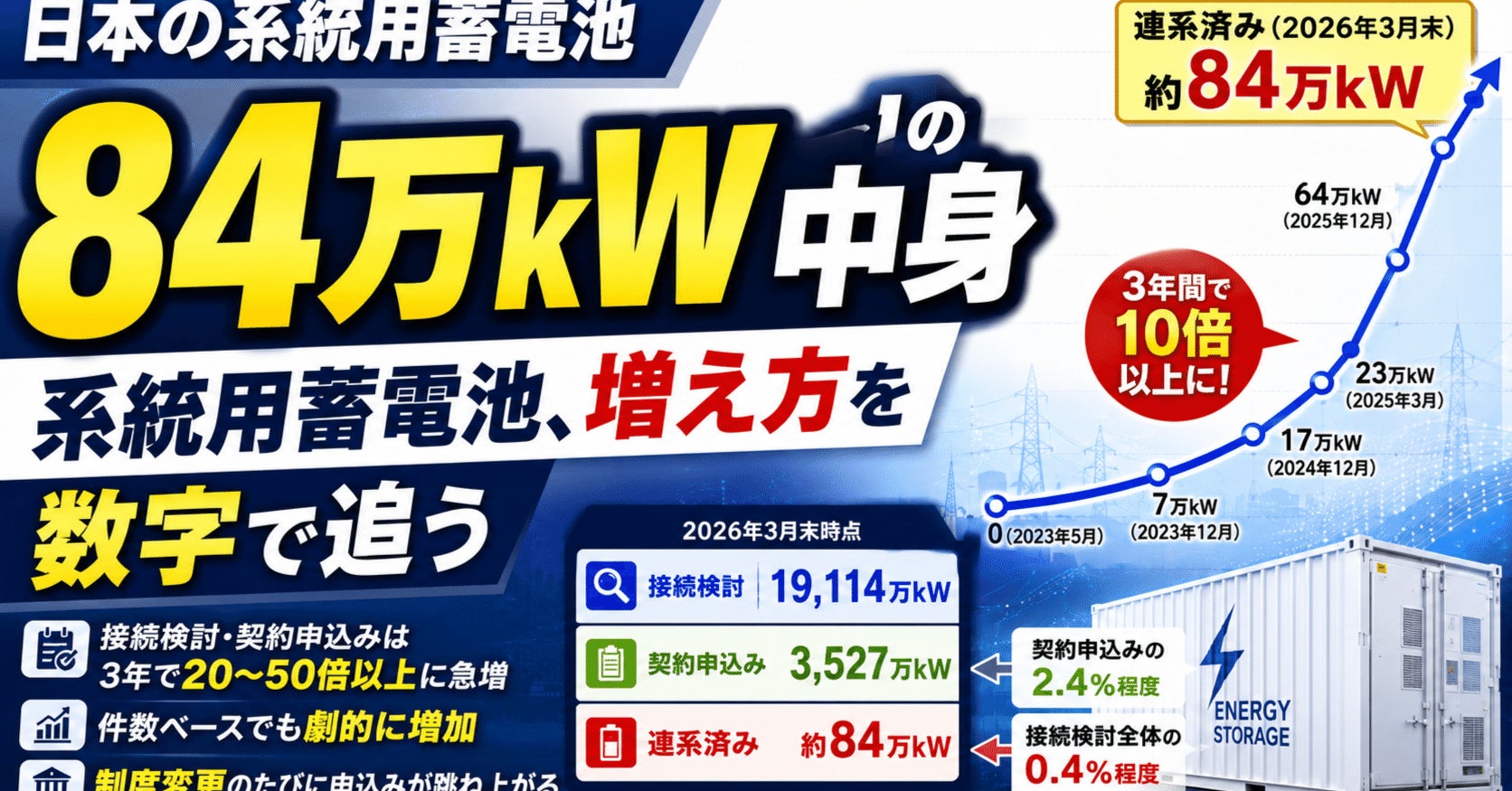
Grid battery capacity up more than tenfold in three years, webinar to outline adoption trends
Connected capacity reached about 840,000 kW at the end of March 2026, driven by rule changes and a surge in applications.