Biogas Plant Using Food Waste Sized to Provide Heating for 7,000 Households
A biogas plant that uses food waste as feedstock has been reported to be large enough to heat 7,000 households.

A biogas plant that uses food waste as feedstock has been reported to be large enough to provide heating for 7,000 households. The project turns waste into energy to meet local heating demand.
A biogas plant ferments food waste and food processing residues using microorganisms to produce biogas, which is mainly composed of methane. The gas can be burned to extract heat and electricity.
Compared with incinerating or landfilling food waste, using gas produced through fermentation is considered to help curb greenhouse gas emissions. However, such facilities also face operational challenges, including treatment of digestate and odor control.
The key point to watch is how such biogas plants will balance a stable supply of feedstock with profitability. The case is also drawing interest as a reference for expanding similar facilities.
BLUE NOVA Hydrogen Journal view
Turning food waste into fuel to heat local communities is meaningful as a way to reduce waste and promote local energy production at the same time. However, whether waste feedstock can be collected steadily will determine the long-term viability of the business. This case may serve as one reference point for municipalities and companies that consider waste treatment and energy supply together.
Source: Yahoo
This article was written by the editors based on the cited report and translated from Japanese. AI is used to assist in writing and translation.
More news

RIKEN VITAMIN and Puchipuchi co-develop masterbatch made from recycled raw materials
The masterbatch, which uses recycled raw materials, has been used in some Puchipuchi bubble cushioning products since April 2026.

Yamaguchi seminar on logistics efficiency and decarbonization set for Nov. 18 in Shimonoseki
The seminar, following full enforcement of the revised Logistics Efficiency Act, covers modal shift and joint transport.

Socotec gives reasonable assurance for CFP of Asahi Kasei's Korean unit's acrylonitrile
Socotec has provided reasonable-level assurance for the fiscal 2025 product CFP of acrylonitrile made by Tongsuh Petrochemical.
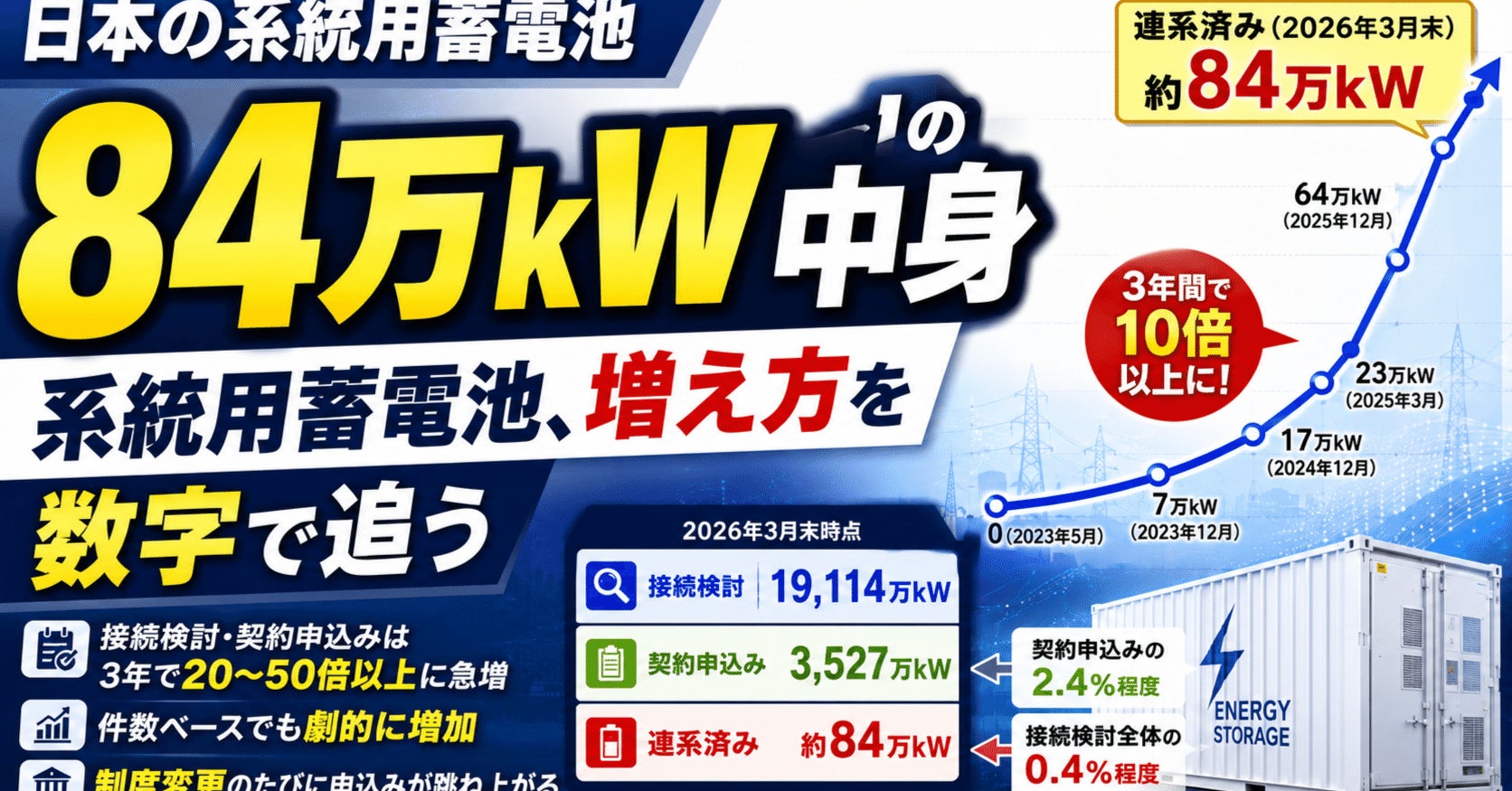
Grid battery capacity up more than tenfold in three years, webinar to outline adoption trends
Connected capacity reached about 840,000 kW at the end of March 2026, driven by rule changes and a surge in applications.