New service turns idle corporate land into environmental and disaster-preparedness hubs for disaster readiness
The AirElixir system draws water from the air, letting companies use unused land as hubs for environmental and disaster-prevention activities.
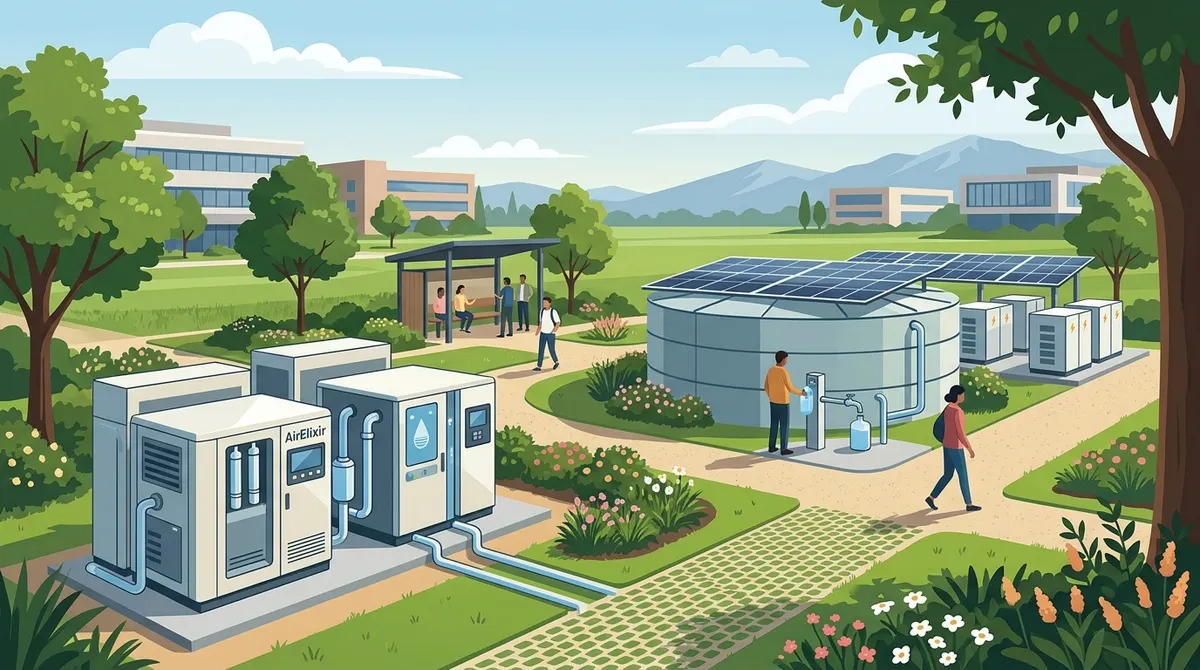
A new corporate service called 'Sustainable Park Produce' service has launched. It installs AirElixir units, which produce water from moisture in the air, on idle company-owned land that businesses are not using, and operates the sites as hubs for environmental contribution and disaster prevention.
The target is company land that businesses have no use for. The service aims to end the idling of land while meeting local environmental goals and preparing for disasters at the same time. The core idea is that companies that own the land lead the project and put it to use for the community in both normal times and emergencies.
AirElixir is described as a device that uses a technology called atmospheric water generation. Atmospheric water generation is a general term for methods that collect water vapor in the air and turn it into liquid water. Its key feature is that it can supply water without relying on water sources such as rivers or groundwater, and research and deployment are advancing as a way to secure water in dry areas and places with few water sources.
There are two main types of atmospheric water generation. The cooling type cools the air below the dew point so that water vapor condenses and can be collected. The adsorption type stores moisture in an adsorbent and extracts it by heating. In both cases, the amount of water produced depends on temperature and humidity, so the climate at the installation site strongly affects performance.
During disasters, earthquakes and floods can shut off water supply infrastructure such as municipal water systems, making it a major challenge to secure drinking water. Using company sites as environmental activity spaces in normal times and as water supply hubs in emergencies is positioned as an effort that combines disaster prevention and community contribution.
Hub projects like this rely on more than effective use of land. They are structured so that the costs of installing and maintaining equipment are covered by linking them to the results of corporate environmental activities and local partnerships. Specific financial terms and conditions for introduction are expected to be revealed in future announcements, which will be closely watched.
Key points to watch going forward include the water output and operating records of the hubs once they are introduced, and whether the approach expands to the land of other companies. Whether measured figures showing environmental and disaster-prevention effects are made public will determine how the project is evaluated. To earn trust as a business that promotes environmental responsibility, disclosure of these figures will be required.
BLUE NOVA Hydrogen Journal view
Atmospheric water generation has the advantage of providing water even where there is no water source, and using idle corporate land as a disaster-preparedness asset can be read as an effort to link land use with local resilience. However, water output depends on climate, and without published measured data, both environmental and disaster-prevention effects are hard to judge. Whether participating companies can present concrete figures will determine the credibility of this project.
Source: ニコニコニュース
This article was written by the editors based on the cited report and translated from Japanese. AI is used to assist in writing and translation.
More news

RIKEN VITAMIN and Puchipuchi co-develop masterbatch made from recycled raw materials
The masterbatch, which uses recycled raw materials, has been used in some Puchipuchi bubble cushioning products since April 2026.
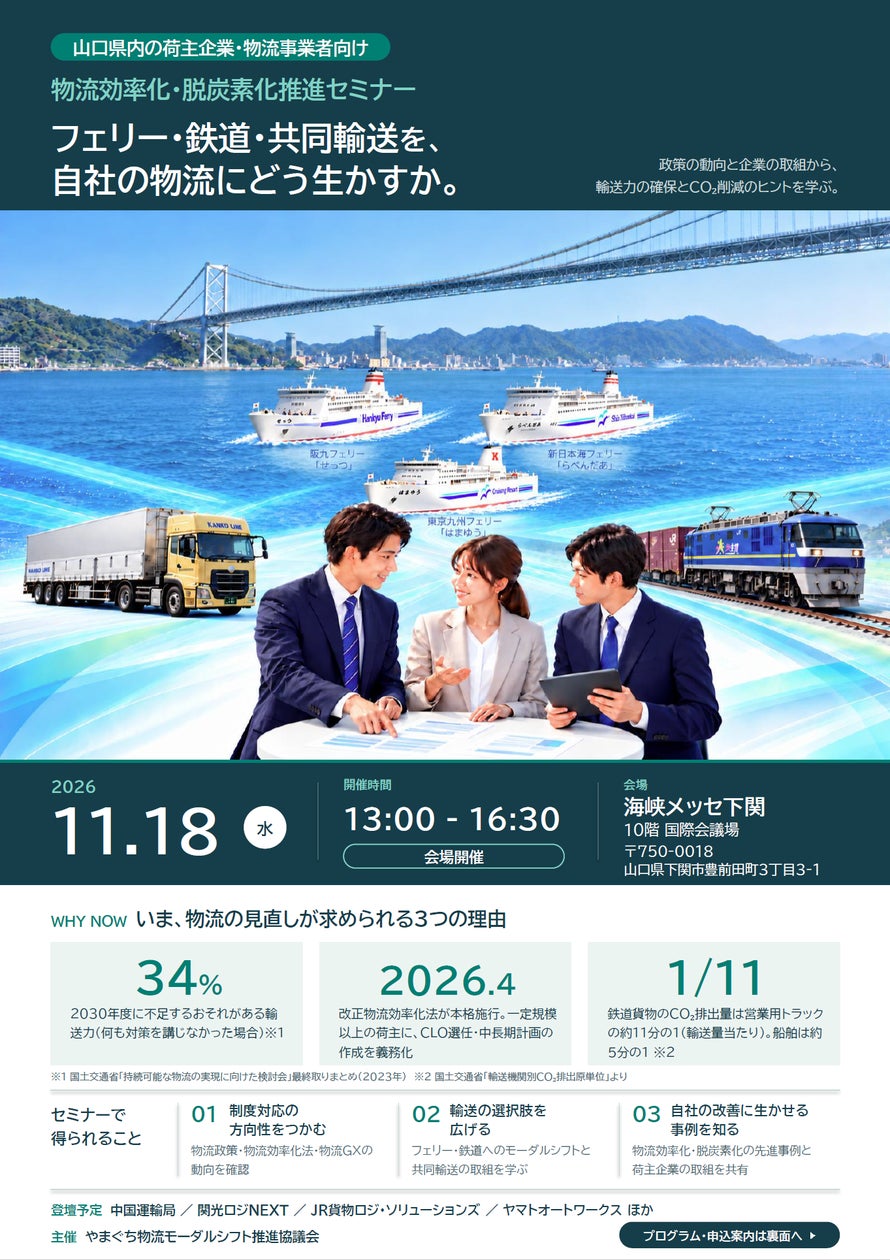
Yamaguchi seminar on logistics efficiency and decarbonization set for Nov. 18 in Shimonoseki
The seminar, following full enforcement of the revised Logistics Efficiency Act, covers modal shift and joint transport.
Socotec gives reasonable assurance for CFP of Asahi Kasei's Korean unit's acrylonitrile
Socotec has provided reasonable-level assurance for the fiscal 2025 product CFP of acrylonitrile made by Tongsuh Petrochemical.
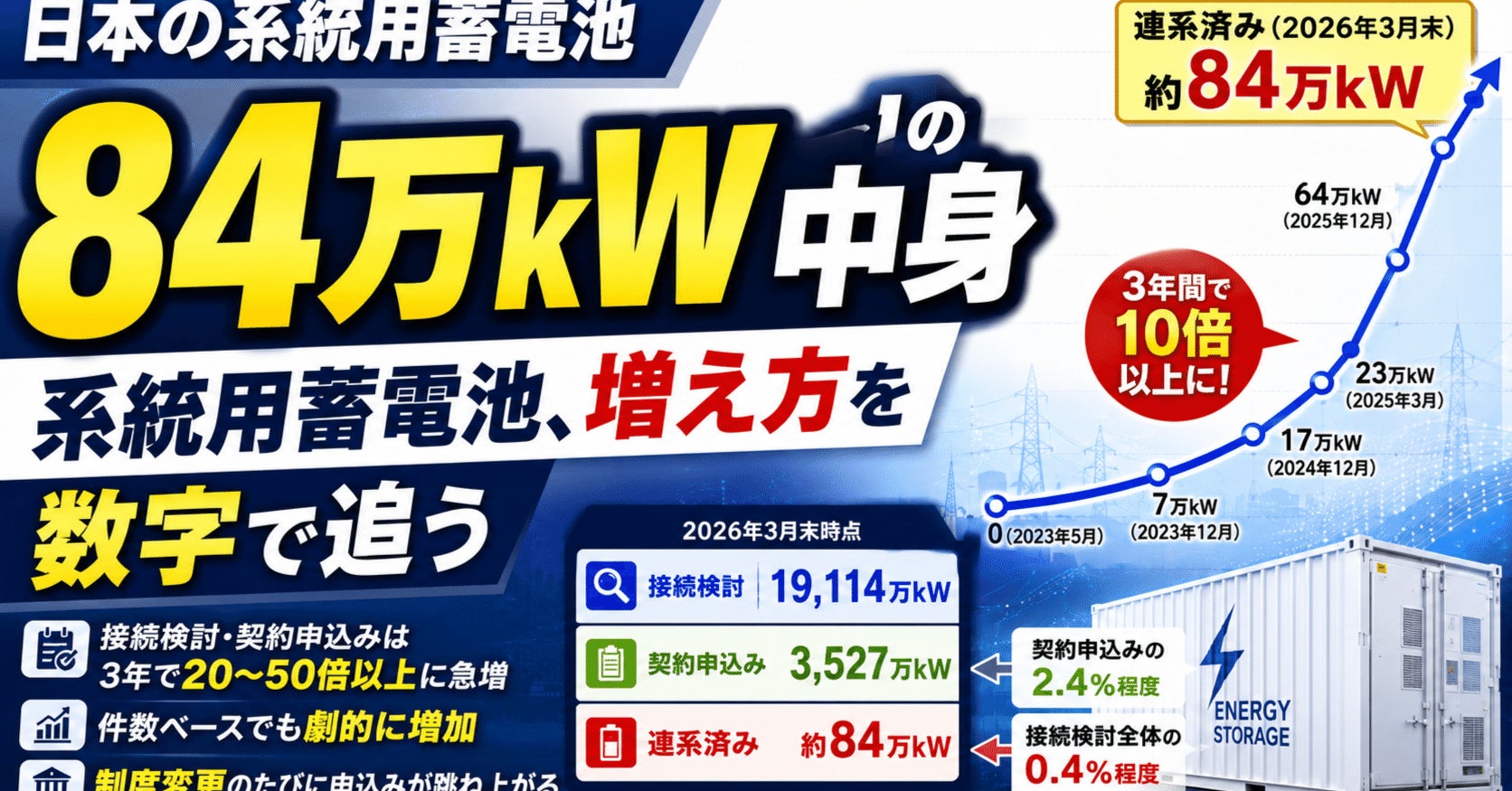
Grid battery capacity up more than tenfold in three years, webinar to outline adoption trends
Connected capacity reached about 840,000 kW at the end of March 2026, driven by rule changes and a surge in applications.