Akasaka Netsu Kyokyu becomes first heat supplier certified by Tokyo for green hydrogen use
Akasaka Netsu Kyokyu has become the first heat supply operator certified by Tokyo under its Green Hydrogen Pioneer Users program.

Akasaka Netsu Kyokyu has become the first heat supply operator to be certified by Tokyo as a Green Hydrogen Pioneer User. The certification is granted under a system established by the Tokyo Metropolitan Government, under which the government recognizes businesses that work on using green hydrogen. It is the first time a heat supply operator in the capital has received such certification.
A heat supply operator provides heat used for air conditioning and hot water to multiple buildings in an area. Compared with systems that install equipment in each building, it can produce heat efficiently using large-scale facilities and deliver it to consumers. Also known as district heating and cooling, the system has been introduced mainly in urban office clusters and large city blocks.
Green hydrogen is produced by electrolyzing water using electricity from renewable sources such as solar and wind power. Because emissions during production are low, its use can greatly reduce emissions at the point of use, which is why it is attracting attention as a decarbonization tool. It is treated separately from hydrogen derived from fossil fuels.
The certification is significant as a move to expand the use of green hydrogen in the heat sector. Hydrogen has so far been discussed mainly in terms of fuel cell vehicles and power generation, and the focus now is whether its use can expand to supplying heat to buildings. With a heat supply operator receiving certification, other operators may also expand their efforts.
Tokyo has set out a policy to advance decarbonization in the capital and has made the expansion of new energy sources such as hydrogen one of the pillars of its policy. The certification can be seen as an example of a private company taking its own steps to use hydrogen under this municipal policy. Attention will focus on whether other heat supply operators and large-scale energy users increase similar efforts.
Certification allows businesses to show externally that they are working on hydrogen use. It also gives them material to explain their commitment to decarbonization to business partners and users. On the other hand, actual CO2 reductions depend on the amount of hydrogen introduced and how facilities are operated, so the reality of usage will be scrutinized.
To accurately grasp the effect on CO2 reduction, it is necessary to continuously verify the amount of hydrogen introduced, the operating record of facilities, and the origin of the electricity used in production. Certification is a system that demonstrates a commitment to action, and it does not guarantee the reduction amount itself, which should be kept in mind.
BLUE NOVA Hydrogen Journal view
Green hydrogen is hydrogen produced by electrolyzing water with renewable energy, and it reduces CO2 emissions during use. The certification is noteworthy as an example of hydrogen use starting in heat supply, which delivers heat to clusters of buildings. Incorporating hydrogen into a heat supply that has relied on electricity and city gas is an important step in considering urban decarbonization. The fact that Tokyo's system makes operators' efforts visible will also influence whether other operators follow.
Source: ニコニコニュース
This article was written by the editors based on the cited report and translated from Japanese. AI is used to assist in writing and translation.
More news

RIKEN VITAMIN and Puchipuchi co-develop masterbatch made from recycled raw materials
The masterbatch, which uses recycled raw materials, has been used in some Puchipuchi bubble cushioning products since April 2026.
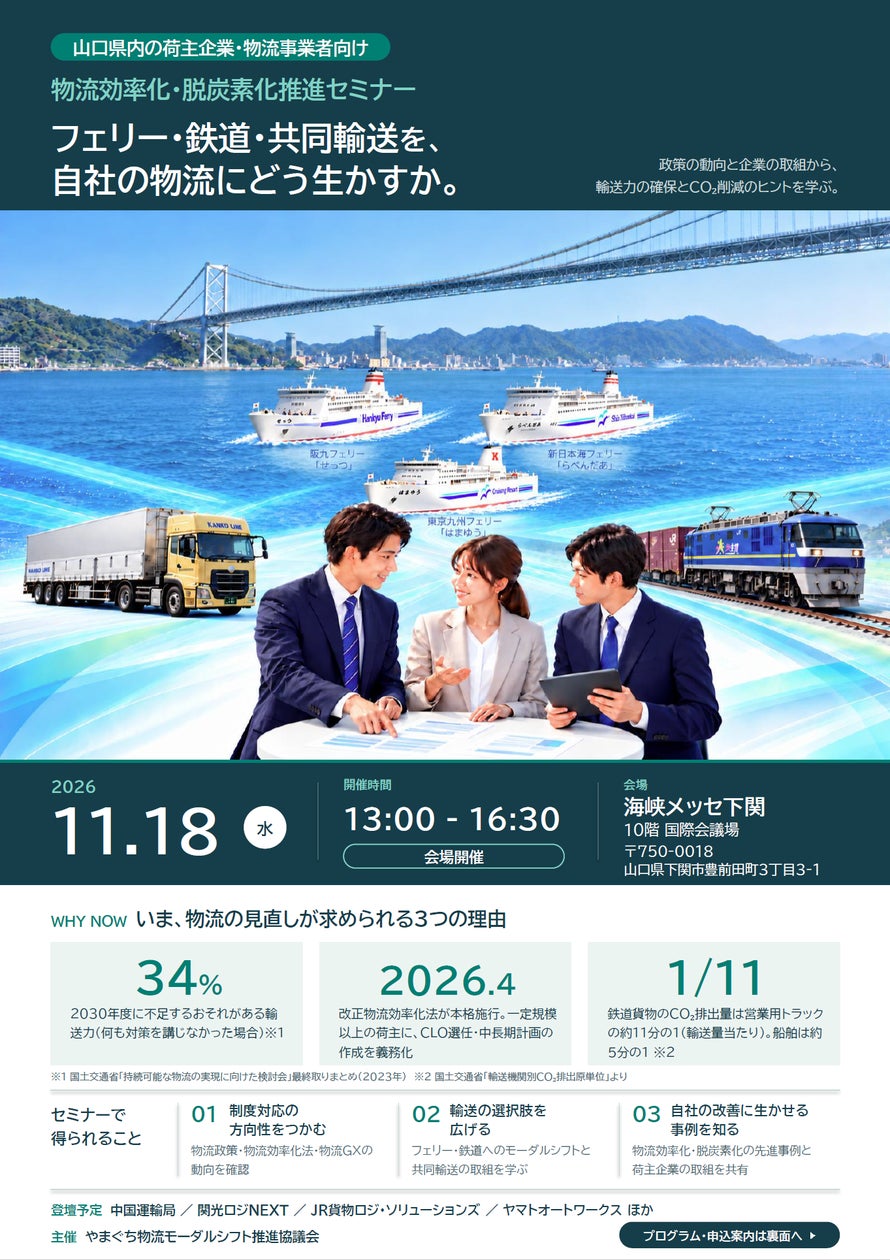
Yamaguchi seminar on logistics efficiency and decarbonization set for Nov. 18 in Shimonoseki
The seminar, following full enforcement of the revised Logistics Efficiency Act, covers modal shift and joint transport.
Socotec gives reasonable assurance for CFP of Asahi Kasei's Korean unit's acrylonitrile
Socotec has provided reasonable-level assurance for the fiscal 2025 product CFP of acrylonitrile made by Tongsuh Petrochemical.
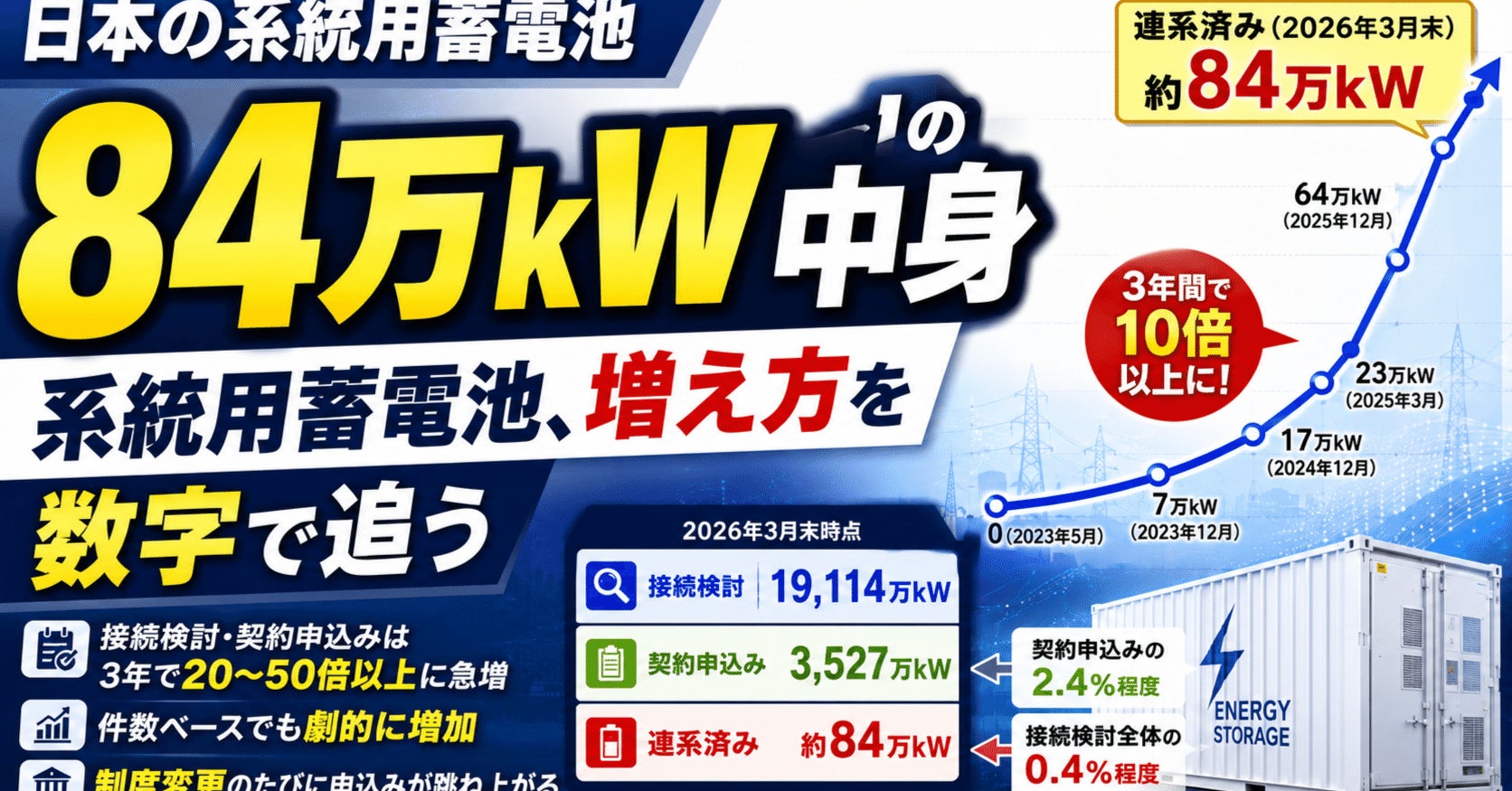
Grid battery capacity up more than tenfold in three years, webinar to outline adoption trends
Connected capacity reached about 840,000 kW at the end of March 2026, driven by rule changes and a surge in applications.