Mitsui Fudosan and two other companies start closed-loop geothermal power demonstration in Ibusuki
Three companies including Mitsui Fudosan have begun a joint demonstration of closed-loop geothermal power generation in Ibusuki, Kagoshima Prefecture, which is described as the first of its kind in Japan.

Mitsui Fudosan and two other companies have started a joint demonstration of closed-loop geothermal power generation in Ibusuki, Kagoshima Prefecture. The project is described as the first of its kind in Japan and is drawing attention as a move to test a new geothermal method within the country.
Geothermal power generation extracts high-temperature heat from underground and uses the resulting steam to turn turbines to produce electricity. Japan, a volcanic nation, is said to have abundant geothermal resources. Unlike solar and wind power, geothermal power is not affected by weather or time of day and can supply electricity relatively steadily day and night. It is expected to serve as baseload power, which helps keep output stable.
Conventional geothermal power plants pump underground hot water and steam directly from wells for use. Because this method draws on underground hot water, there are concerns about its effects on nearby hot springs and groundwater, and gaining local understanding has become a key challenge for development.
In a closed-loop system, underground hot water is not extracted directly. Instead, a working fluid circulates through sealed pipes to recover heat. The heat medium absorbs heat underground, releases it at the surface, and then returns underground, so underground hot water and steam are not taken out. The method is expected to ease concerns such as the impact on hot springs.
Ibusuki is known as a hot spring resort. Balancing the use of geothermal resources with protecting the environment of a tourist area has long been a challenge for the community. The start of a demonstration of a new method there is significant for considering how geothermal development and local resources can coexist.
The demonstration is being jointly conducted by Mitsui Fudosan and two other companies. Going forward, the project will enter a stage in which the stability of power generation and the practicality of operations will be assessed. From the standpoint of decarbonization, geothermal power, a renewable energy source that emits no CO2 when generating electricity, needs to be expanded. The results of testing the new method will serve as material for deciding on its wider use.
Geothermal development requires time and money for surveys and drilling, so demonstrations at the early stage are important for establishing the technology. Attention is focused on whether the work in Ibusuki will serve as an example of how future geothermal projects should proceed.
BLUE NOVA Hydrogen Journal view
Geothermal power is a renewable energy source that can generate electricity steadily day and night, regardless of weather. Conventional methods use underground hot water and steam, which has raised concerns such as effects on hot springs. Closed-loop systems use a working fluid in a sealed circuit underground, which is seen as a way to ease those concerns. Because the demonstration in Ibusuki is described as the first of its kind in Japan, it is a test case for expanding geothermal power in the country. Results there will also serve as a reference point for how geothermal regions and hot spring resorts can coexist.
Source: Sustainable Japan
This article was written by the editors based on the cited report and translated from Japanese. AI is used to assist in writing and translation.
More news
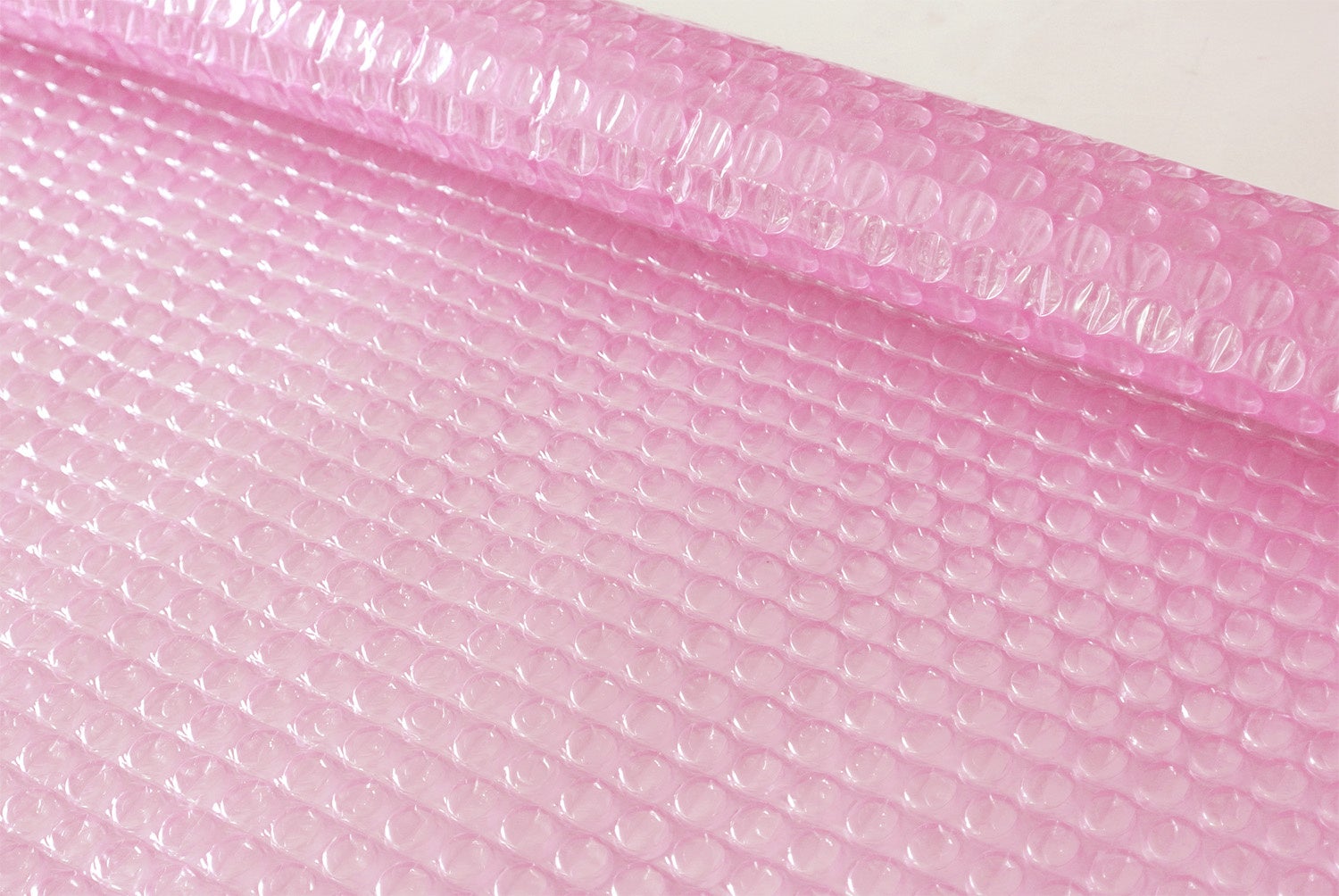
RIKEN VITAMIN and Puchipuchi co-develop masterbatch made from recycled raw materials
The masterbatch, which uses recycled raw materials, has been used in some Puchipuchi bubble cushioning products since April 2026.
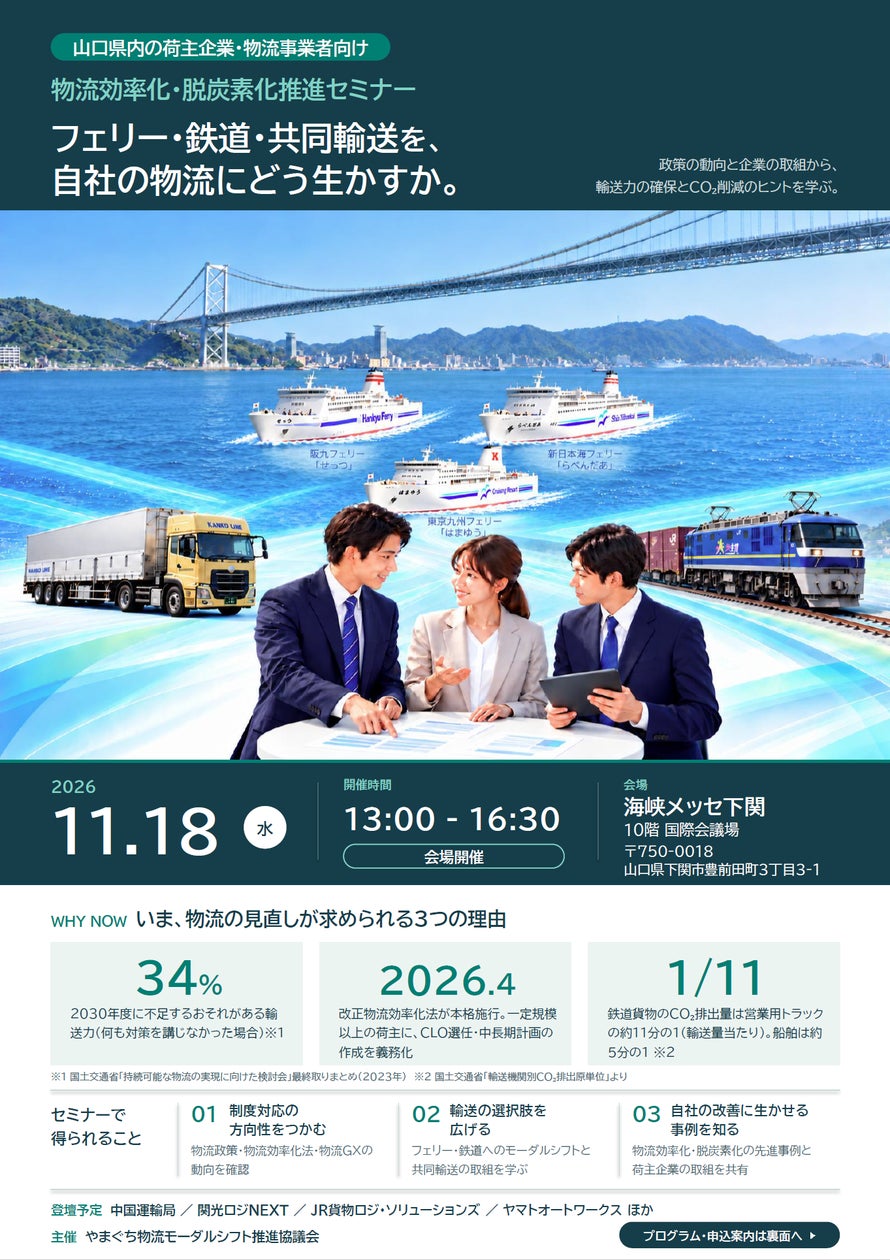
Yamaguchi seminar on logistics efficiency and decarbonization set for Nov. 18 in Shimonoseki
The seminar, following full enforcement of the revised Logistics Efficiency Act, covers modal shift and joint transport.

Socotec gives reasonable assurance for CFP of Asahi Kasei's Korean unit's acrylonitrile
Socotec has provided reasonable-level assurance for the fiscal 2025 product CFP of acrylonitrile made by Tongsuh Petrochemical.
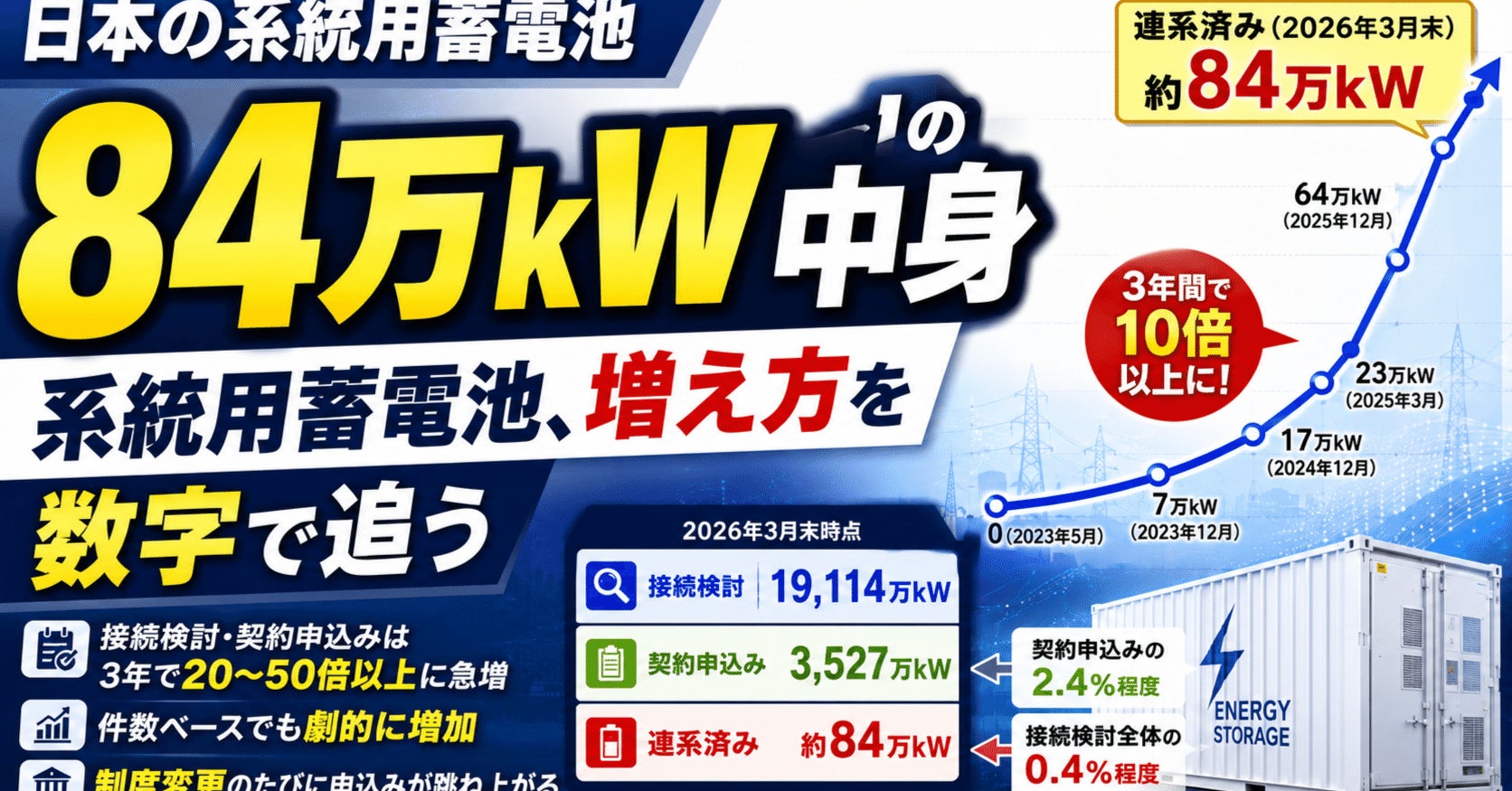
Grid battery capacity up more than tenfold in three years, webinar to outline adoption trends
Connected capacity reached about 840,000 kW at the end of March 2026, driven by rule changes and a surge in applications.