Expand opens hydrogen valley at former paper mill in Cairate, Varese province, Italy
A hydrogen valley hub developed by Expand has opened on the site of a former paper mill in Cairate, in northern Italy's Varese province, using the redeveloped industrial land.
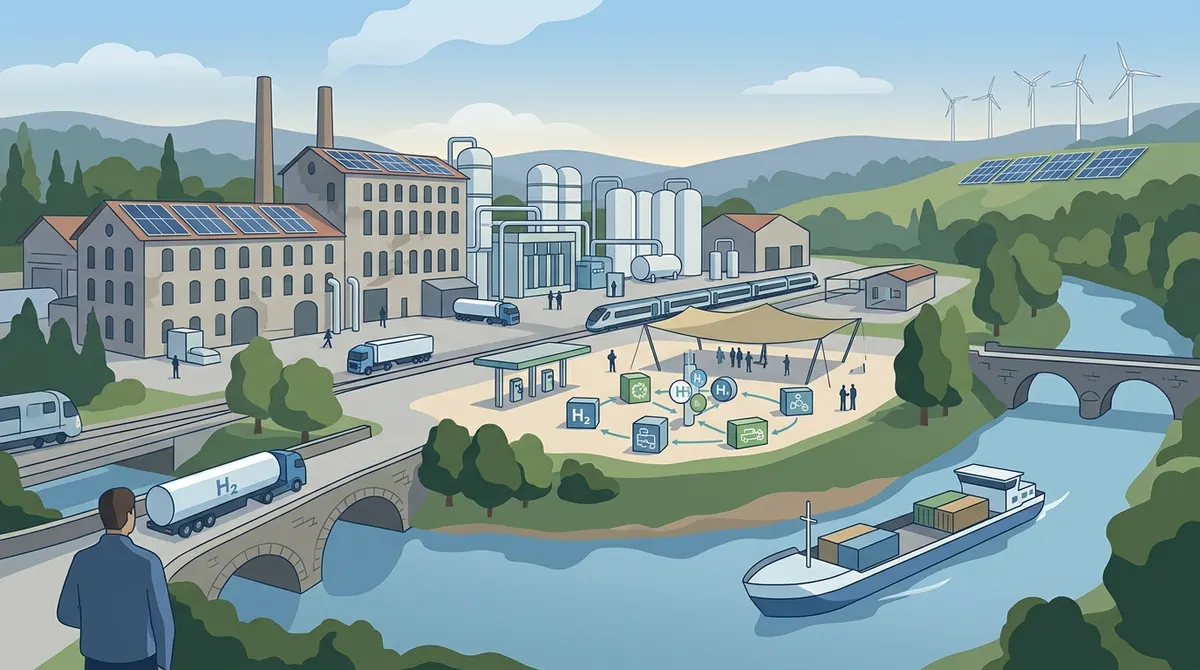
Expand's H2Olona Hydrogen Valley has opened on the site of a former paper mill in Cairate, in Italy's northern Varese province. As part of the development of a hydrogen valley hub, an effort to handle hydrogen within the local area has taken shape.
A hydrogen valley is a hub where hydrogen is produced, stored, transported and used together within a single region. Because hydrogen emits no CO2 when burned, it is expected to serve as a decarbonization tool in sectors where emissions are hard to cut, such as steel, transportation and power generation. However, since production through to use requires facilities to be set up all at once, building systems that connect local supply and demand is essential.
A key feature of hydrogen valleys is the use of existing land. Sites such as former factories often already have infrastructure such as power and transport in place, making it easier to set up facilities than to develop new land. The opening at the former paper mill in Cairate shows the idea of reusing existing land.
In Europe, efforts are underway in various regions to build hubs that link hydrogen with local industry. The EU has set expanding the use of hydrogen derived from renewable energy as a policy goal, and demonstration and deployment plans are spreading among member states and regions. In Italy, efforts to explore the use of hydrogen are also visible, centered on industrial areas in the north.
Varese province is located near Milan and is a northern region with a concentration of manufacturing. It has a long industrial history and has faced the challenge of transforming its industrial structure. Regenerating former factory sites therefore has significance from the perspective of the regional economy.
Green hydrogen, produced by the electrolysis of water using renewable energy, is regarded as important from the standpoint of decarbonization. However, the energy needed for production and transport costs remain challenges. The hydrogen valley concept, which places users close to production, is one of the responses to these issues.
Going forward, attention will focus on how hydrogen is used at this hub and how it connects with local industry and transportation. The question is whether Expand's work will serve as an example for other regions of converting former factory sites into hydrogen hubs.
BLUE NOVA Hydrogen Journal view
A hydrogen valley is a hub that handles everything from hydrogen production to use within a region and is positioned as an attempt to build a hydrogen society at the local level. The significance of this opening lies in reusing an existing site, a former paper mill. Turning former factory sites in industrial clusters into hydrogen hubs shows a path to building a decarbonization base while limiting new land development. Matching hydrogen supply and demand within the region is also reasonable in that it reduces transportation burdens. Going forward, it will be necessary to watch how the hub connects with local industry and transport.
Source: HydroNews
This article was written by the editors based on the cited report and translated from Japanese. AI is used to assist in writing and translation.
More news

RIKEN VITAMIN and Puchipuchi co-develop masterbatch made from recycled raw materials
The masterbatch, which uses recycled raw materials, has been used in some Puchipuchi bubble cushioning products since April 2026.

Yamaguchi seminar on logistics efficiency and decarbonization set for Nov. 18 in Shimonoseki
The seminar, following full enforcement of the revised Logistics Efficiency Act, covers modal shift and joint transport.

Socotec gives reasonable assurance for CFP of Asahi Kasei's Korean unit's acrylonitrile
Socotec has provided reasonable-level assurance for the fiscal 2025 product CFP of acrylonitrile made by Tongsuh Petrochemical.
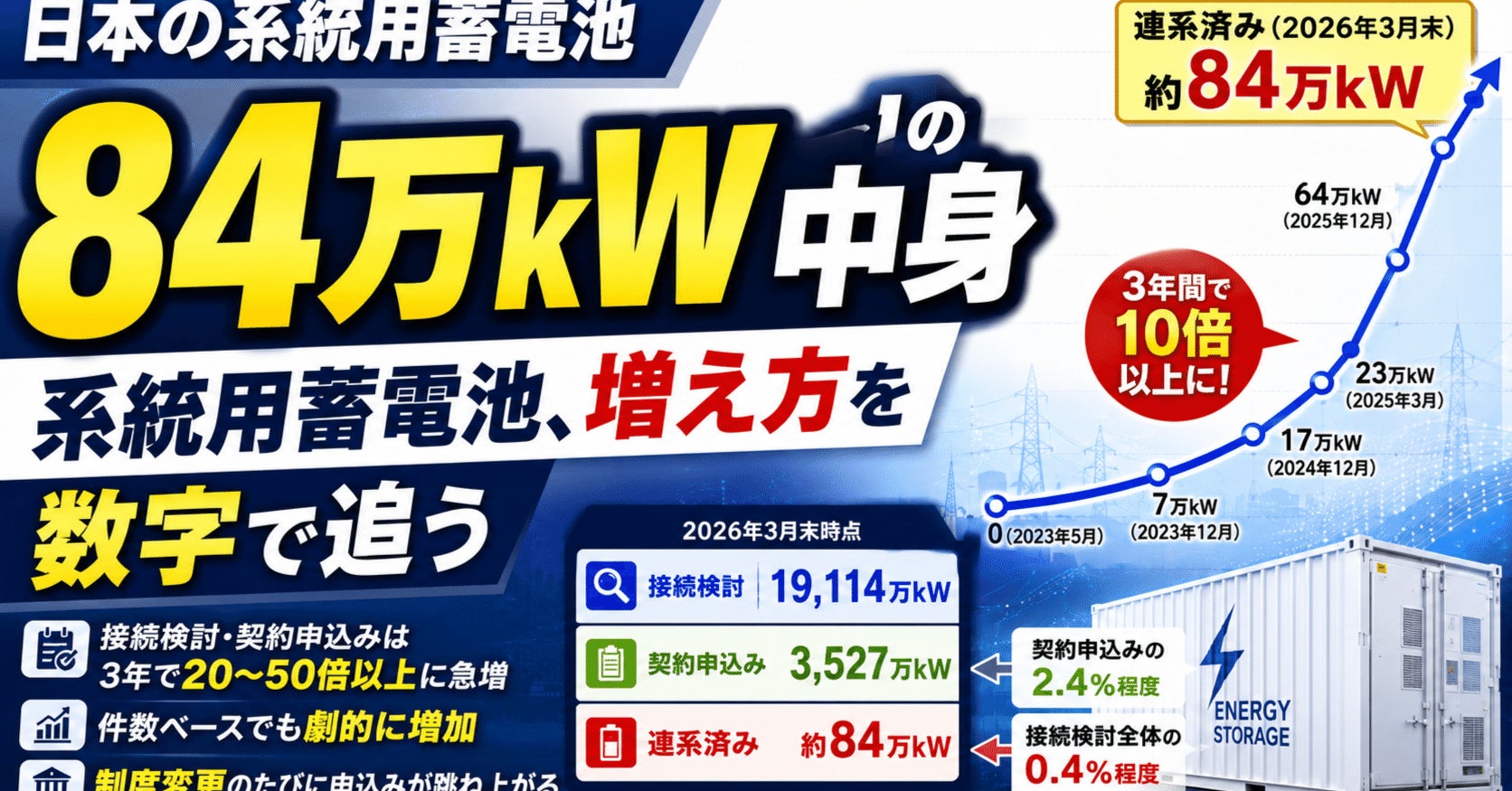
Grid battery capacity up more than tenfold in three years, webinar to outline adoption trends
Connected capacity reached about 840,000 kW at the end of March 2026, driven by rule changes and a surge in applications.